

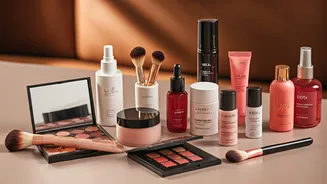


The New Definition of Affordable
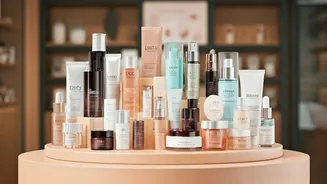
For years, the lines were clear: premium brands offered aspiration and cutting-edge science, while drugstore products offered accessibility. That middle ground is no longer just holding, it's expanding into a dominant force called "masstige"—a blend of mass-market
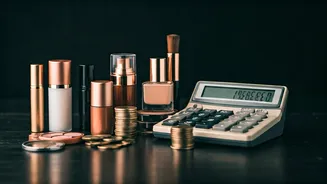
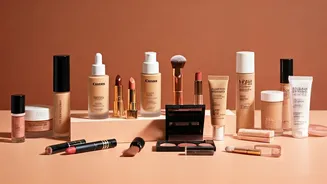
accessibility with prestige quality and branding. Today’s affordable beauty isn’t about compromising; it's about providing high-performance ingredients, chic packaging, and a sense of discovery without the luxury markup. Brands in this space have redefined value to be about performance and trust, not just a low price tag. In fact, with only 14% of beauty buyers believing a higher price equals better quality, the old hierarchy is quickly breaking down.
The Forces Fueling the Revolution
Several factors are driving this dramatic shift. First, the rise of the "skintellectual" consumer. Thanks to social media platforms like TikTok, users are more educated than ever about ingredients like peptides, niacinamide, and hyaluronic acid. This has democratized knowledge, allowing shoppers to focus on effective formulations rather than just brand names. Second, the explosion of "dupe culture" has made savvy shopping a badge of honor. Influencers and everyday users create viral content comparing budget-friendly products to their high-end counterparts, often with glowing reviews for the cheaper alternative. Videos with hashtags like #dupe have billions of views, turning affordable products into overnight sensations. Finally, economic pressures have made consumers smarter about their spending. While beauty remains a resilient category even in downturns—a phenomenon known as the "lipstick effect"—shoppers are strategically mixing high and low-priced items in their routines.
Meet the Disruptors
At the forefront of this battle are a handful of innovative brands. E.l.f. Cosmetics has become a powerhouse by moving at the speed of social media, turning around on-trend products in as little as 26 weeks, compared to the 18-24 months common for legacy brands. With an average price point around $6.50, e.l.f. has captured a massive share of the youth market and posted 26 consecutive quarters of sales growth. It has become the #1 brand in major retailers like Target. Other key players like The Ordinary and CeraVe have built loyal followings by prioritizing ingredient transparency and no-frills, effective formulas. This approach has resonated deeply, particularly with Gen Z, who prioritize authenticity and community-driven branding. These brands aren't just selling products; they are fostering communities that celebrate inclusivity, experimentation, and playful fun.
How Luxury Is Fighting Back
Luxury brands are not standing still in the face of this new competition. Instead of a race to the bottom on price, many are doubling down on what makes them premium. This includes investing heavily in research and development for exclusive, cutting-edge ingredients and unique formulations. Some are also focusing on the complete brand experience, from lavish packaging to creating a sense of community around shared values. Others are strategically entering the masstige space themselves or acquiring successful disruptors to gain a foothold. The challenge for luxury is to justify its higher price point not just with exclusivity, but with demonstrable performance, innovation, and a compelling brand story that budget brands can't easily replicate.