


The Alkaline Advantage
Many beloved Indian gravies are built on a foundation of acidic ingredients like tomatoes, tamarind, or yogurt. While delicious, this can sometimes result in a sharpness that needs to be balanced. This is where clay pots, or 'handis', work their first
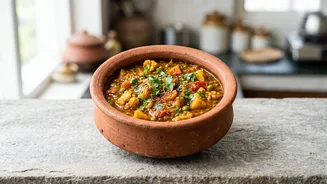
piece of magic. Clay is naturally alkaline, meaning it has a pH level greater than 7. When you cook an acidic gravy in a clay pot, the alkaline properties of the clay interact with the acids in the food. This chemical interaction gently neutralizes some of the acidity, taking the harsh edge off the dish. The result is a gravy that is naturally sweeter and more balanced, without needing to add extra sugar or cream to achieve that perfect, rounded flavour.
A Breathable Cooking Vessel
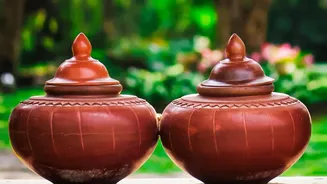
Unlike metal or glass, unglazed clay is porous. This might sound like a weakness, but it's actually one of its greatest strengths in the kitchen. The porous nature of the pot allows heat and moisture to circulate evenly throughout the cooking process. Instead of liquid rapidly boiling and evaporating, a clay pot creates a self-basting environment. Steam is trapped and circulates, keeping the food exceptionally moist and tender. This is especially beneficial for slow-cooked dishes like dals and meat curries, preventing them from drying out and allowing the ingredients to cook gently and uniformly. This process also means you often need less oil, as the pot's ability to retain moisture does much of the work.
Unlocking Deeper, Richer Flavours
The combination of slow, even heat and a moist environment works wonders on flavour. In a metal pan, high heat can sometimes cause spices to become bitter or burn. In a clay pot, the heat is distributed gently and gradually. This slow process gives spices, garlic, and onions time to release their aromatic oils and flavours without becoming aggressive. The natural sweetness of vegetables is enhanced, and the complex notes of a spice blend have the chance to meld together perfectly. Furthermore, the clay itself imparts a subtle, earthy essence that complements traditional Indian masalas beautifully, adding a layer of depth that simply cannot be replicated in a steel or non-stick pan.
Preserving Precious Nutrients
The gentle cooking process does more than just enhance taste; it also helps preserve the nutritional value of your food. High-heat cooking can degrade sensitive vitamins and minerals. Because clay pots cook food slowly at lower, more consistent temperatures, more of the food's natural nutrients are retained. An experiment in an Indian lab found that lentils cooked in a clay pot retained 100% of their micronutrients, a significant difference compared to other materials. While all cooking methods affect nutrition, the slow and steady approach of clay pot cooking is one of the best for keeping your food as wholesome as it is delicious. The porous walls also allow the pot to leach beneficial minerals like calcium, iron, and magnesium into the food in trace amounts.