

What Exactly Is El Niño?
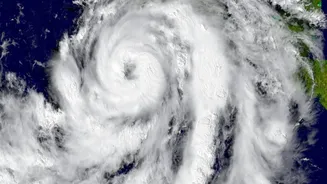
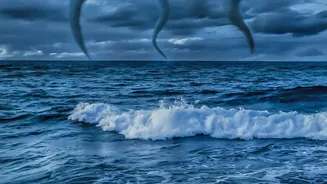
El Niño, Spanish for 'The Little Boy', is a natural climate pattern marked by the unusual warming of surface waters in the eastern and central Pacific Ocean. This isn't just a local event; this massive release of heat into the atmosphere disrupts weather
patterns worldwide. Normally, trade winds blow from east to west, pushing warm water towards Asia. During an El Niño, these winds weaken or even reverse, causing the warm water to shift eastward, away from Asia and towards the Americas. This change has a domino effect, altering rainfall and temperature patterns across the globe, often leading to droughts in some regions and heavy floods in others. These events occur every two to seven years and can last for nine to twelve months or longer.
Why the 2026 Event Is Causing Alarm
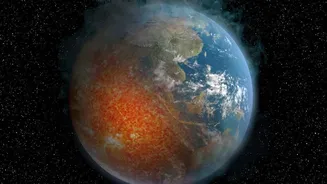
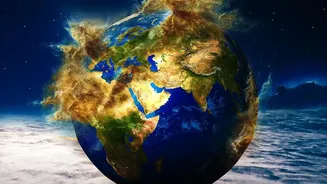
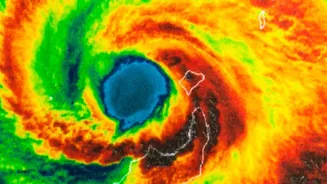
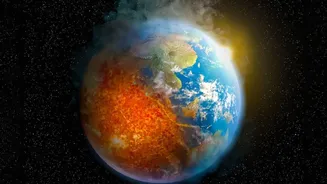
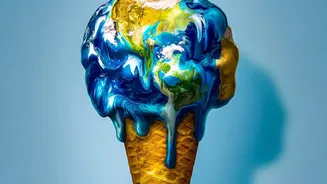
The 2026 El Niño is not just another cycle. According to the World Meteorological Organization (WMO), this event began developing in June and is strengthening rapidly, with forecasts indicating it could become one of the strongest on record. The WMO predicts a near-100% chance that it will persist through at least February 2027, peaking in intensity around December 2026. Scientists are tracking sea surface temperature anomalies that are already described as 'off the charts'. This supercharged El Niño, combined with the background effects of long-term climate change, is expected to unleash even more heat and extreme weather globally well into 2027. The World Health Organization (WHO) has already escalated its response to its highest emergency level, flagging India as a country facing high public health risks.
The Direct Link to Brutal Heatwaves
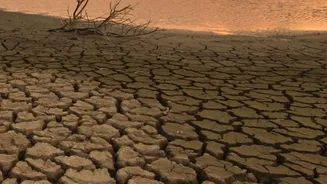
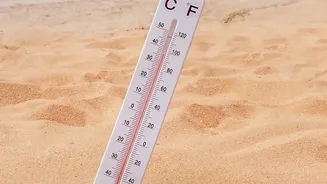
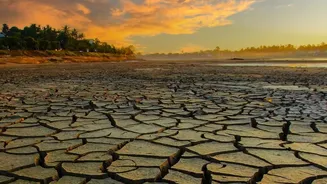
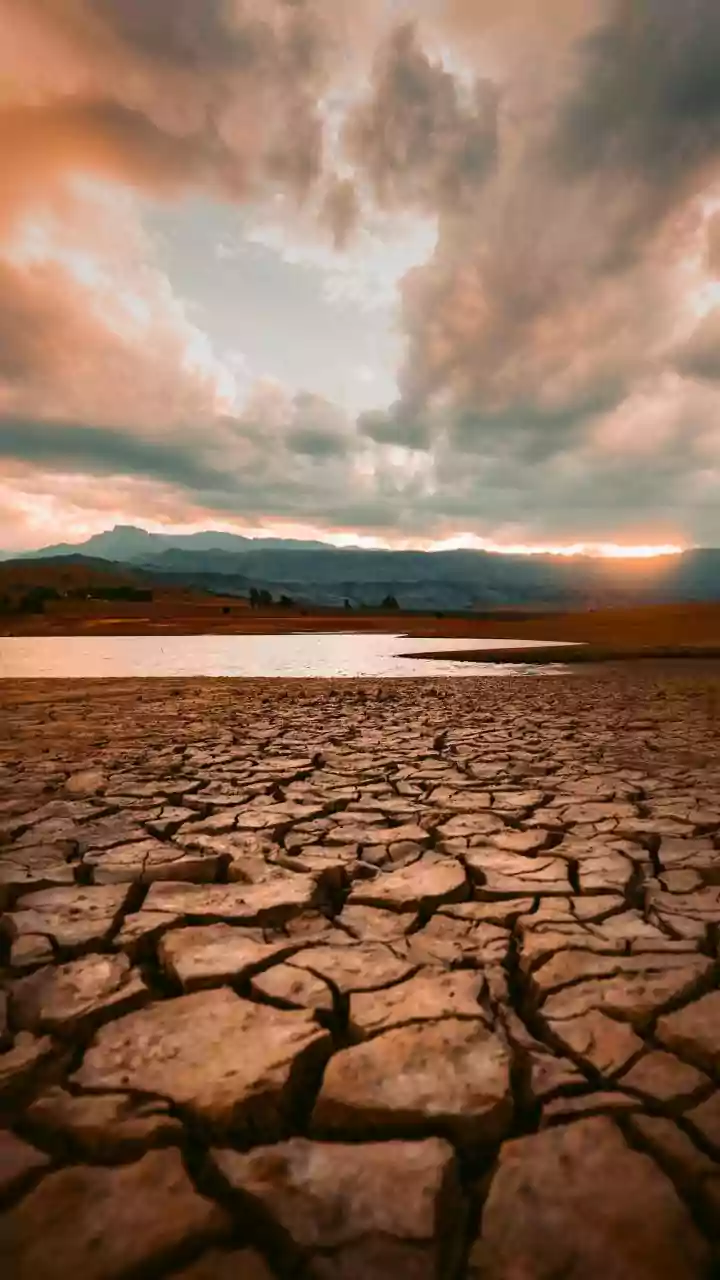
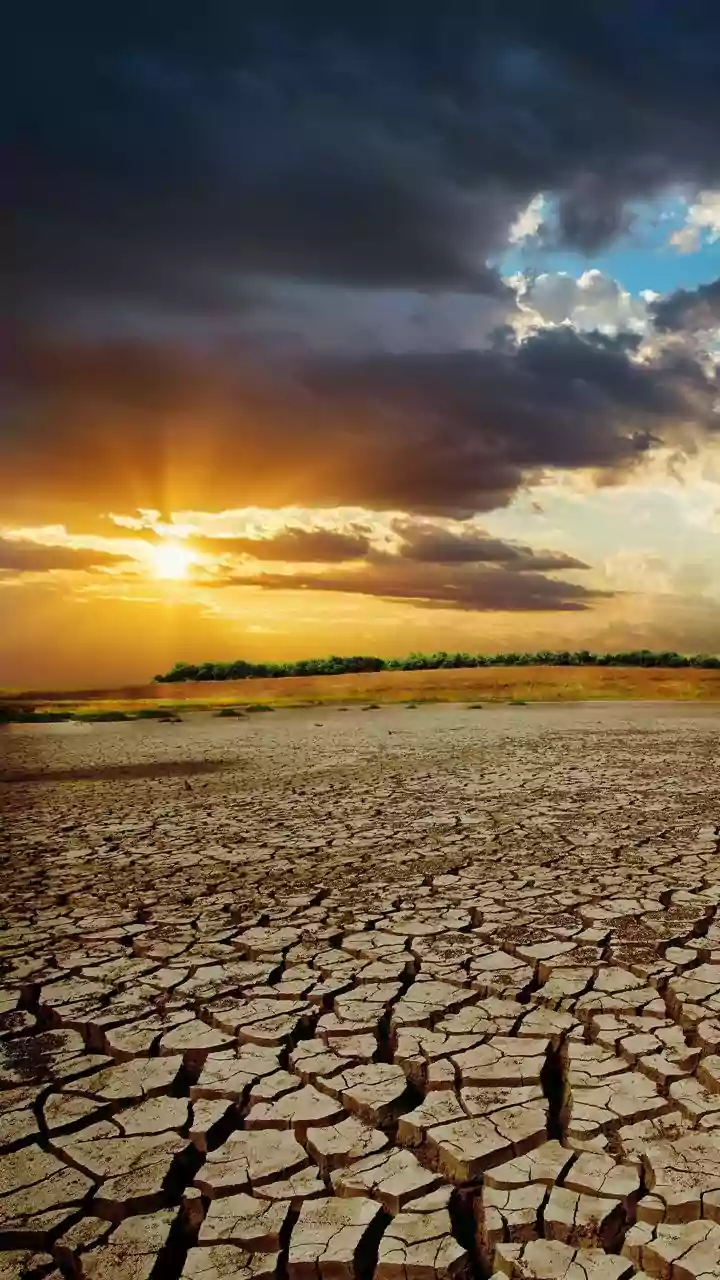
For India, a strong El Niño is often associated with hotter temperatures and drier conditions. Studies have shown that El Niño events significantly intensify and prolong heatwaves across the country. The additional warming effect from El Niño compounds the impact of general global warming, leading to more frequent and extreme heatwaves. This isn't a distant threat; during the 2026 summer, parts of India already experienced temperatures exceeding 45°C. The concern is that the peak impact of this strong El Niño will exacerbate these conditions, leading to more dangerous and widespread heat. The primary health risk is a surge in heat-related illnesses, including dehydration, heat exhaustion, and life-threatening heatstroke. These conditions are especially dangerous for vulnerable populations.
More Than Just Heatstroke: Wider Health Risks
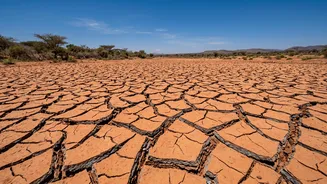
The public health threat from El Niño extends far beyond heat stress. Changing temperature and rainfall patterns create ideal breeding grounds for mosquitoes, raising the risk of vector-borne diseases like dengue, malaria, and chikungunya. The WHO has specifically flagged dengue as a high risk for India under the current El Niño conditions. Drier conditions and drought can lead to wildfires and dust storms, worsening air quality and aggravating respiratory illnesses like asthma. Furthermore, disruptions to the monsoon can affect agriculture, leading to potential food and water shortages, which in turn can cause malnutrition. Flooding in some areas can also increase the risk of water-borne diseases like cholera and typhoid.
Who Is Most Vulnerable?
While everyone is affected by extreme heat, some groups are at much higher risk. These include outdoor labourers, farmers, and construction workers who have prolonged exposure to the sun. The elderly, young children, and pregnant women are also particularly susceptible to heat-related illnesses. People with pre-existing chronic conditions, such as heart disease, kidney problems, or respiratory issues, find their conditions worsened by extreme heat. Those living in densely populated urban areas, which create 'heat islands', also face elevated risks due to trapped heat and limited green space.
Preparing for the Impact
In response to forecasts, Indian health authorities have been issuing advisories and calling on states to activate their 'Heat Action Plans'. These plans involve ensuring hospitals are prepared with dedicated heatstroke units, adequate medical supplies like ORS packs and IV fluids, and uninterrupted power for cooling appliances. Public awareness campaigns are crucial, advising people to stay hydrated, avoid sun exposure during peak hours, and wear light clothing. Recommendations also include setting up public cooling centres and ensuring access to safe drinking water. For individuals, recognizing the early signs of heat stress—dizziness, headache, and fatigue—and seeking a cool environment immediately is key to preventing a medical emergency.