



Why Your Experience Level is Crucial
It's tempting to pick a trek based on breathtaking photos, but trail difficulty ratings are there for your safety and enjoyment. Factors like maximum altitude, daily walking hours, terrain type, and extreme cold separate a pleasant adventure from a risky
ordeal. An easy trek involves shorter walking days on well-defined paths at lower altitudes. A difficult trek, however, might involve steep ascents in deep snow, glacier crossings, or temperatures dropping below -20°C. Choosing a trail far above your fitness or experience level can lead to exhaustion, altitude sickness, and other hazards. Honest self-assessment isn't about limiting your ambition; it's about ensuring your winter adventure is memorable for all the right reasons.
Beginner's Bliss: Your First Snow Trek
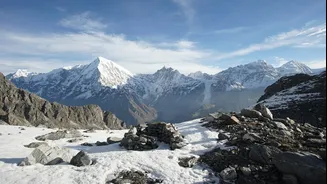
If you're new to winter trekking but have good basic fitness, these treks are your ideal starting point. They offer the full snow experience without overwhelming technical demands. The most popular choice is Kedarkantha, often called the 'Queen of Winter Treks'. It’s a 5-6 day trek in Uttarakhand that takes you to a summit of 12,500 feet. The trail winds through beautiful pine forests, past the frozen Juda Ka Talab lake, and rewards you with panoramic views of Himalayan peaks like Swargarohini and Bandarpoonch. Another excellent option is Dayara Bugyal, known for its vast, rolling snow-covered meadows. It's slightly shorter, often completed in 4-5 days, and considered one of the most beautiful meadow treks in India, offering stunning views of the Gangotri range.
The Challenge Beckons: Intermediate Trails
Ready to step up from your first snow trek? Intermediate trails demand better endurance and acclimatisation, featuring longer trekking days, higher altitudes, and more challenging terrain. The Brahmatal trek is a fantastic choice, famous for its two frozen lakes, Brahmatal and Bekaltal. Over 6 days in Uttarakhand, you'll trek through enchanting oak and rhododendron forests to an altitude of about 12,250 feet, with spectacular views of giants like Mt. Trishul and Nanda Ghunti. Another classic is the Kuari Pass trek, also known as the Lord Curzon Trail. This 6-day journey is renowned for its epic, 180-degree views of major peaks, including India's second-highest, Nanda Devi. While accessible to fit beginners, its pass-crossing day is long and demanding, making it a solid intermediate challenge in winter.
For the Seasoned Pro: Expert-Level Expeditions
These treks are for experienced mountaineers who are physically and mentally prepared for extreme cold, high altitudes, and technical challenges. They are not to be attempted without prior high-altitude trekking experience. The most iconic expert-level winter trek in India is the Chadar Trek in Ladakh. This is not a mountain climb but a unique 9-day expedition walking on the frozen Zanskar River. Trekkers navigate a corridor of ice with sheer rock faces on either side, camping in temperatures that can plummet to -25°C or lower. The trek is highly regulated for safety and requires mandatory medical checks and acclimatisation in Leh. For those seeking a true mountaineering challenge, treks like Auden's Col, which connects the Gangotri and Bhilangna valleys at nearly 18,000 feet, represent the pinnacle of trekking in India. This is a technical expedition-style journey involving glacier travel and is only suitable for very experienced trekkers.