




The Backlash Against 'Fast Furniture'
For years, the interior design world was dominated by the idea of 'fast furniture'—trendy, mass-produced items that were cheap to buy but not built to last. Much like fast fashion, these pieces prioritise low cost over quality, often using materials like particleboard
or MDF that can easily warp, break, and are difficult to repair. This model leads to a cycle of buying, breaking, and discarding, contributing to significant landfill waste. However, a growing number of Indian consumers are now rejecting this disposable culture. They are becoming more aware of the environmental and ethical costs, from deforestation to the poor treatment of workers in mass-production factories. This has sparked a move towards conscious consumerism, where the story behind a piece of furniture—who made it, what it's made of, and how it impacts the planet—is just as important as its appearance.
A Shift Towards Mindful Consumption
Several factors are driving this change in mindset. Firstly, there's a rising tide of environmental awareness across India, with a survey finding that 84% of urban Indian consumers prefer sustainable products. People are looking for ways to reduce their carbon footprint, and that includes the things they bring into their homes. Secondly, the post-pandemic world has made us re-evaluate our living spaces. After spending so much time indoors, having a home that feels authentic, comfortable, and personal has become a priority. There is also a strong economic argument. While a solid wood dining table costs more initially than a flat-pack version, its longevity makes it a smarter investment in the long run. This move is about valuing quality over quantity and choosing items that will stand the test of time, both in style and structure.
Defining the New 'Investment Pieces'
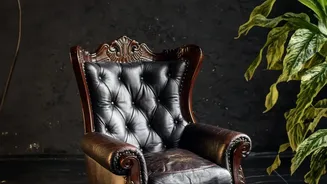
So, what are these 'fewer, better' pieces that homeowners are choosing? The focus is on timeless design and durable materials. Solid woods like teak, sheesham (Indian rosewood), and mango wood are making a major comeback. These woods are not only naturally strong and resistant to wear and tear, but their unique grains add warmth and character that synthetic materials can't replicate. Instead of buying a trendy sofa that will be out of style next year, people are investing in classic, well-made pieces: a sturdy dining table that can host decades of family meals, a compact leather sofa, or a versatile sideboard. Modular and multi-functional furniture is also popular, especially in urban apartments, as it can be adapted to changing needs without requiring replacement.
A Celebration of Indian Craftsmanship
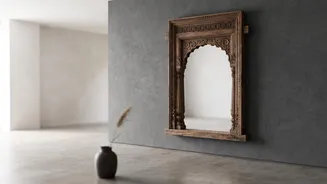
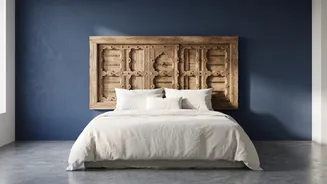
This trend beautifully intersects with a renewed appreciation for local and artisanal craftsmanship. India has a rich heritage of traditional furniture-making, and consumers are now seeking out handcrafted items that tell a cultural story. Choosing to buy from local artisans not only supports regional economies but also helps preserve generational skills that were at risk of being lost to mass production. This new wave of design often blends modern minimalism with traditional Indian touches. You might see a sleek, contemporary armchair upholstered in a traditional block-printed fabric, or a minimalist bed frame made from hand-carved wood. These pieces add individuality and a sense of soul to a home that mass-produced items simply cannot offer.
How to Adopt the 'Slow Furniture' Mindset
Embracing this trend doesn't mean you have to replace everything at once. The idea is to be more intentional with your choices. Start by identifying the key pieces you need and save up for a high-quality version. Look for markers of good craftsmanship, like solid wood construction instead of veneer over particleboard. Consider visiting local artisan markets or brands that are transparent about their sourcing and manufacturing processes. Another key aspect is maintenance. Unlike fast furniture which is often irreparable, solid wood can be sanded, re-polished, and repaired, extending its life for many years. This approach encourages a relationship with the objects in our homes, viewing them not as disposable goods but as cherished items that evolve with us.