





The Hidden Danger in Your Food Pack
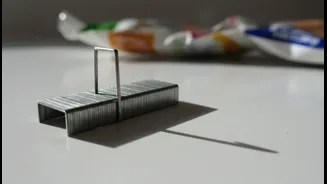
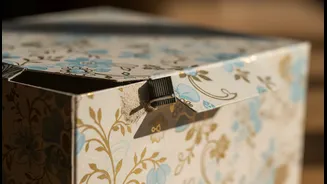
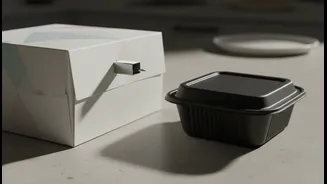
For years, it has been a common sight: local bakeries, sweet shops, and restaurants using stapler pins to quickly and cheaply seal cardboard boxes and paper bags. The convenience, however, masks a significant risk. These small metal pins can easily become
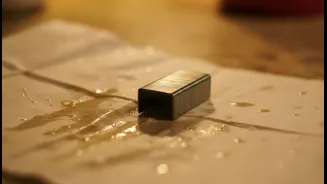
dislodged during transit or when a customer opens the package. Once loose, they can fall into the food unnoticed, turning a festive treat or a simple meal into a serious safety threat. The Food Safety and Standards Authority of India (FSSAI) has noted numerous instances where consumers have found these metallic objects mixed in with their food. The issue isn't limited to just takeaway parcels; pins have also been found used as decorative or structural elements within elaborate cakes, posing an even more direct hazard.
A Serious Nationwide Health Hazard
Swallowing a small metal pin might sound like a freak accident, but the consequences can be severe. Medical experts warn that if ingested, a staple pin can cause painful cuts and injuries to the mouth, throat, and the entire digestive system. Given their sharp edges, these objects can become lodged in the food pipe, leading to lacerations that require emergency medical intervention. In a worst-case scenario, a pin could be accidentally inhaled and enter the windpipe, causing a life-threatening obstruction of breathing. Children are particularly vulnerable to such accidents. Beyond the immediate physical danger, there is also the risk of contamination from rust or germs on the pin, which could lead to infections like tetanus.
What India's Food Authority Says
In response to growing concerns and reported incidents, the FSSAI has issued a firm directive to all food business operators across the country. In a June 2026 advisory, the food safety regulator ordered an immediate stop to the use of any metallic pins, wires, or similar objects for sealing, fastening, or even decorating food products. This ban applies to everyone in the food supply chain, from local sweet shops and bakeries to restaurants and takeaway joints. The FSSAI has made it clear that this is not merely a suggestion; businesses found violating the directive will face penal action under the Food Safety and Standards Act, 2006. This move follows earlier, similar actions by the authority, such as banning the use of newspapers for wrapping food due to ink contamination concerns.
The Push for Safer Alternatives
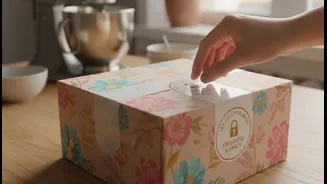
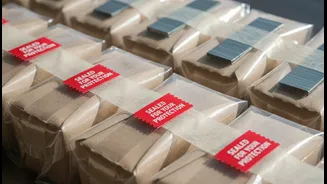
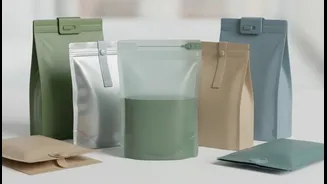
The reason stapler pins became so widespread is simple: they are cheap and fast. For many small businesses, they represent a low-cost way to secure packaging. However, the FSSAI's directive is forcing the industry to adopt safer methods. Viable and approved alternatives include using food-grade adhesive tapes, implementing heat-sealed packaging, or designing boxes with interlocking flaps or tamper-evident seals. While some of these options may require an initial investment in new equipment or materials, they eliminate the risk of metal contamination entirely. The FSSAI has urged businesses to make this switch immediately to protect consumers and comply with the law. The long-term benefit of consumer trust and safety far outweighs the short-term convenience of using staples.
Your Safety Checklist as a Consumer
While regulators are cracking down, consumers also have a crucial role to play in protecting themselves. The first step is vigilance. Before accepting any packaged food, take a moment to inspect the container. Check if it has been sealed with stapler pins. If it has, you can request the vendor to repackage it in a safer manner. When you get home, open food packages carefully and away from the food itself, making sure no loose pins fall into the contents. It is always a good practice to transfer food from its takeaway container to a plate or bowl before eating. If you do find a metallic object in your food, you can and should report it. The FSSAI provides an online complaint portal and the 'Food Safety Connect' app for this purpose, where you can upload details and photos of the product.