
More Than a Condiment, A Cultural Legacy
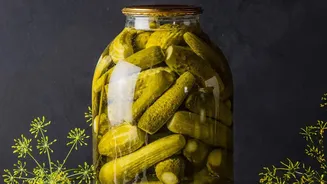
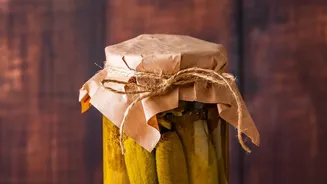
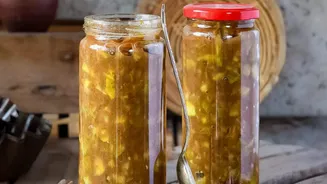
In India, a pickle is never just a side dish. It is a vessel of memories, a testament to regional diversity, and a culinary heirloom passed down through generations. From the fiery 'avakai' of Andhra Pradesh to the sweet 'chundo' of Gujarat, every region boasts
its own unique recipes, ingredients, and methods. For decades, the matriarchs of the family were the custodians of these secret spice blends, transforming seasonal fruits and vegetables into flavour-packed jars that would last the year. This practice is more than just food preservation; it’s an act of love, a tangible link to one's roots that often travels in suitcases to family members living far from home.
The Modern-Day Pickle Revolution
So why the sudden resurgence? The trend is fuelled by a collective shift towards authentic, natural, and healthier food choices. Consumers are increasingly wary of mass-produced products laden with artificial preservatives and are actively seeking out 'clean-label' alternatives. This growing health consciousness has put the spotlight back on traditional pickles, many of which are naturally fermented and packed with probiotics beneficial for gut health. Spices commonly used, like turmeric, fenugreek, and asafoetida, are also rich in antioxidants. This renewed appreciation for traditional wisdom, combined with a desire for authentic flavours, has created the perfect environment for a pickle revival.
From Family Kitchens to Online Stores
The internet and social media have been transformative, empowering a new wave of food entrepreneurs. What once were cherished family recipes are now becoming successful small-scale businesses. Home chefs and culinary enthusiasts are turning their passion into thriving 'D2C' (direct-to-consumer) brands, using platforms like Instagram and WhatsApp to reach customers across the country and even globally. These new-age pickle makers are not just replicating old recipes; they are innovating. You can now find everything from jackfruit and lotus stem pickles to meaty variants like pork and prawn, catering to a new generation of adventurous foodies while maintaining the 'homemade' essence.
A Taste of Authenticity in a Crowded Market
While large companies have dominated the organised pickle market for years, the industry is witnessing a significant shift. Artisanal and regional brands are carving out a niche by focusing on authenticity, quality ingredients, and unique stories. Consumers are showing a clear preference for regional specialities and are willing to pay a premium for pickles that promise a 'homemade' taste without chemicals. This has led to the rise of brands that celebrate their specific heritage, whether it's a Punjabi 'chulha-cooked' pickle or a Malabar-style seafood variant. This movement also supports local economies, with many brands sourcing ingredients directly from regional farms.
Connecting with a Global Diaspora
The demand for traditional Indian pickles is not limited to India. The global Indian diaspora, longing for a taste of home, constitutes a massive and growing market. This has fuelled a significant increase in exports, with small and large brands alike shipping their jars of spicy, tangy goodness to customers worldwide. For many living abroad, a spoonful of authentic mango pickle is more than just a flavour enhancer; it's a powerful connection to their cultural identity and a comforting reminder of family kitchens back home. This global appetite ensures that the future of India's traditional pickle market is not just secure, but brighter than ever.