

The Great Air Purifier Debate
The belief that houseplants are natural air purifiers stems largely from a landmark 1989 NASA study. This research found that certain plants could remove volatile organic compounds (VOCs) like benzene and formaldehyde from the air. However, there's a significant
catch: the study was conducted in small, hermetically sealed chambers, an environment vastly different from a typical home or apartment. More recent analyses have concluded that you would need an enormous number of plants—somewhere between 10 and 1,000 per square metre—to replicate those results in a normal room with natural ventilation. In reality, opening a window for a few minutes is far more effective at clearing indoor air pollutants than a few potted plants.
The Real, Proven Benefits
So, should you give up on indoor greenery? Absolutely not. While they may not be the miracle air scrubbers we once hoped, the benefits of keeping plants are well-documented and substantial. Numerous studies show that interacting with indoor plants can reduce stress and improve your mood. The simple act of caring for them can be a meditative practice. Aesthetically, they add life, colour, and a touch of nature to our indoor spaces, which is especially important in urban environments. Furthermore, through a process called transpiration, plants release moisture into the air, which can help increase humidity levels in dry, air-conditioned rooms.
Best Plants for Compact Spaces
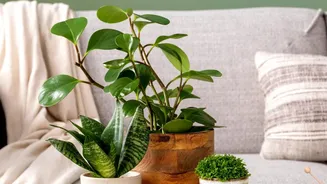
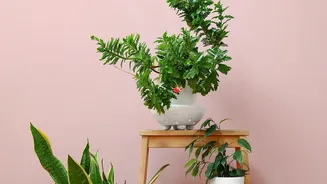
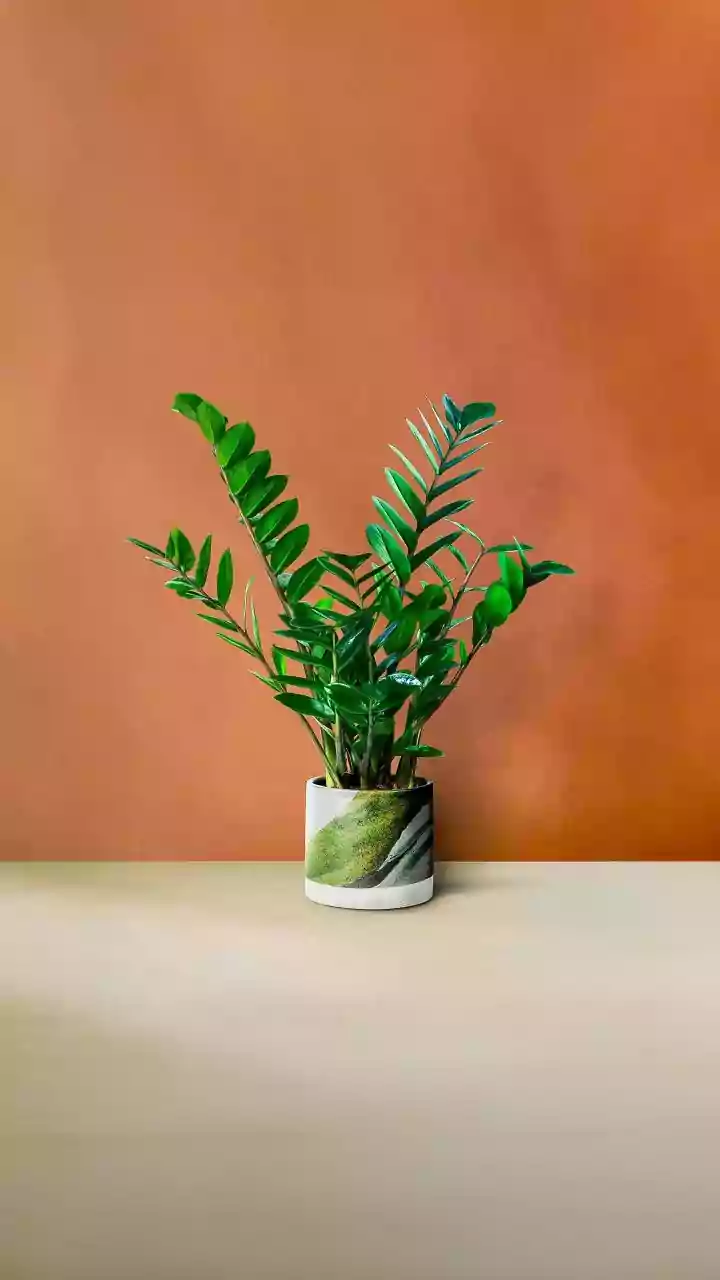
For small rooms and apartments, the key is to choose plants that are both hardy and have a manageable growth habit. Here are a few excellent choices that are widely available in India: Snake Plant (Dracaena trifasciata): Famous for being nearly indestructible, the snake plant has an upright, slender profile that takes up very little floor space. It's also tolerant of low light and infrequent watering. A unique benefit is that it converts carbon dioxide into oxygen at night, making it a great bedroom companion. ZZ Plant (Zamioculcas zamiifolia): With its glossy, dark green leaves, the ZZ plant is another low-maintenance champion. It thrives on neglect and can survive in very low light conditions, making it perfect for dim corners or rooms with small windows. Golden Pothos (Epipremnum aureum): This fast-growing vine is incredibly versatile. You can let it trail from a high shelf or a hanging basket, using vertical space to add greenery without cluttering surfaces. It's adaptable to various light levels and will visibly droop when it needs water, making it easy to care for.
Placement Strategy: The Bedroom
Since we spend a significant portion of our day in the bedroom, it’s an ideal place to enjoy the psychological benefits of plants. Place a Snake Plant on a dresser or in a corner; its vertical growth won't intrude on your space. A trailing Pothos can be placed on a high bookshelf. Don't worry about the old myth that plants are bad for the bedroom because they release carbon dioxide at night. The amount is so minuscule that it has absolutely no negative effect on your health or sleep quality. The primary considerations for placement should be the plant’s light requirements and keeping it out of direct pathways.
Placement Strategy: Living and Work Areas
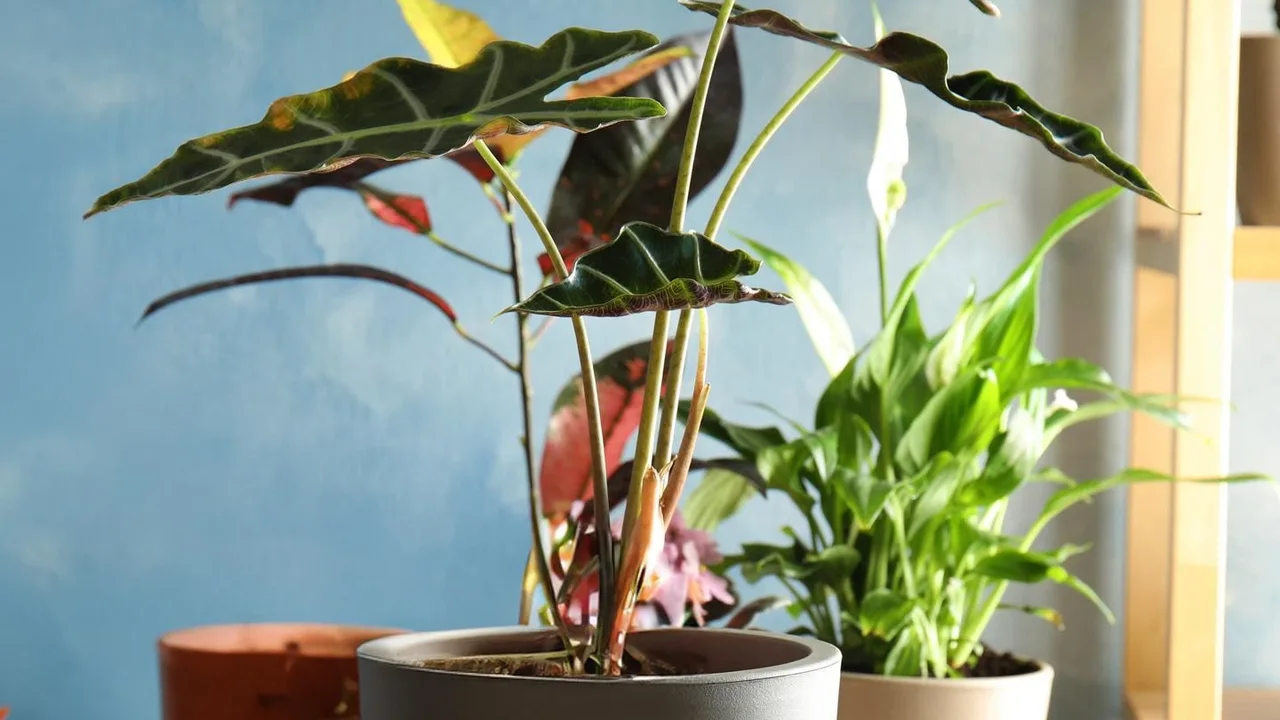
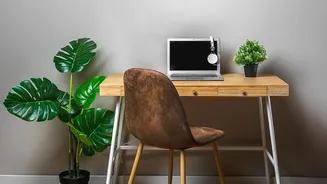
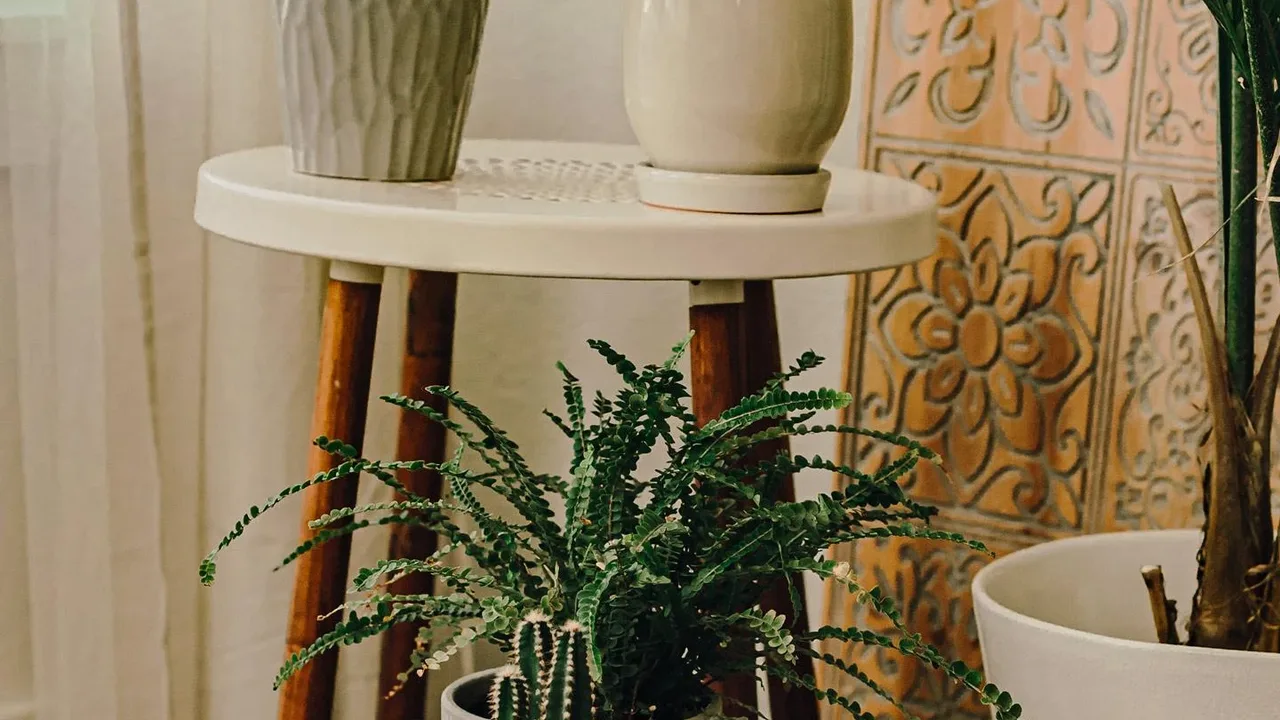
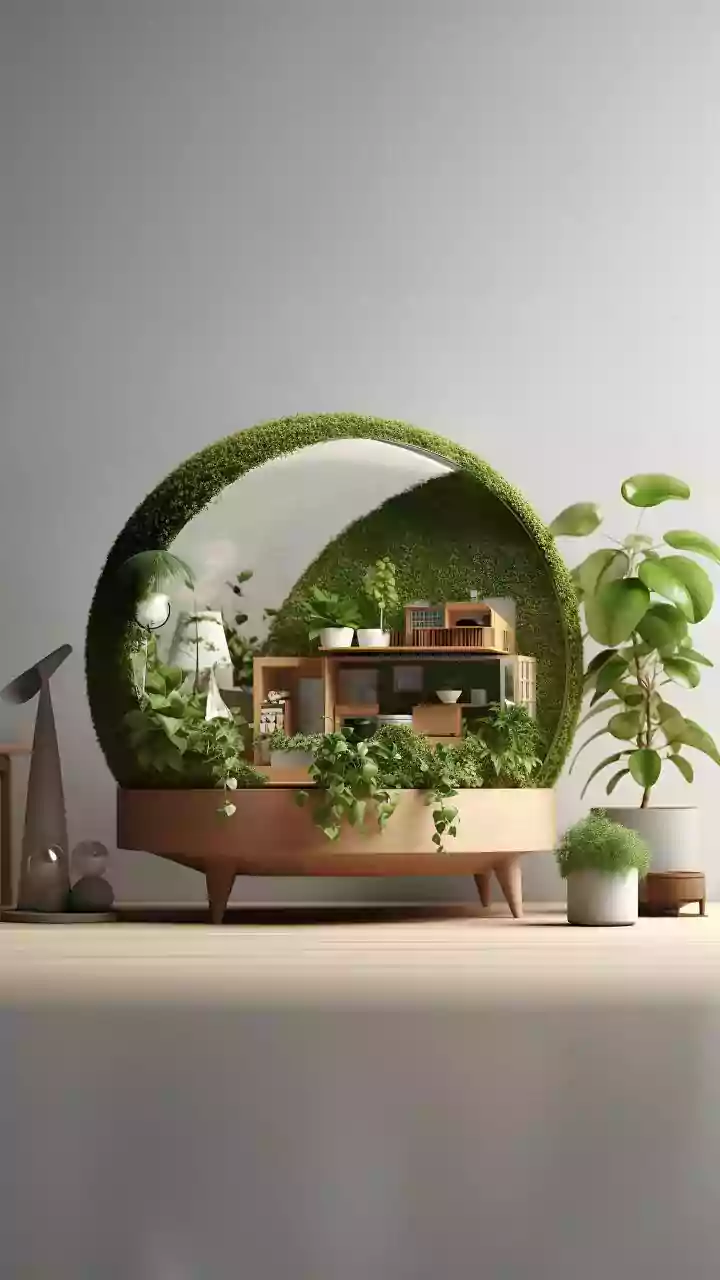
In a small living room, think vertically. Use wall-mounted shelves or hanging planters to create a 'green wall' effect without sacrificing floor space. Grouping three or more plants together can create a strong visual impact and also helps create a small pocket of higher humidity, which is beneficial for the plants themselves. Place them near a window but out of direct, scorching sunlight, which can burn the leaves of many common houseplants. For a work-from-home desk, a small, compact plant like a Peperomia or a Zebra Haworthia can add a touch of nature without getting in the way, helping to create a more calming and productive environment.