







Beyond Macros: A Holistic Foundation
For decades, athlete nutrition was a simple numbers game of carbohydrates, proteins, and fats. While these macronutrients are still critical, the modern approach is far more nuanced. A holistic philosophy treats the body as an interconnected system where
food quality, mental state, and overall wellness directly impact performance. This means prioritising whole, nutrient-dense foods over heavily processed alternatives. Think colourful fruits and vegetables, lean proteins, healthy fats, and whole grains that provide the vitamins, minerals, and antioxidants needed for energy production, muscle function, and a healthy immune system. This foundation moves away from the idea that a single supplement or food is a magic bullet, and instead promotes a balanced diet that supports the body's overall health.
The Power of Nutrient Timing
One of the most significant shifts in sports nutrition is the focus on when you eat, not just what you eat. This strategy, known as nutrient timing, involves the purposeful ingestion of nutrients at specific times to improve performance, recovery, and the body's response to training. For example, consuming carbohydrates one to four hours before exercise helps maximise glycogen stores, providing sustained energy. During prolonged or intense sessions, taking in carbohydrates can help maintain blood glucose levels and delay fatigue. The post-exercise window is equally crucial. Consuming a combination of carbohydrates and high-quality protein within two hours of finishing a workout helps replenish depleted energy stores and stimulates muscle repair and growth. This strategic approach ensures your body has the right fuel at precisely the right moment.
A Gut Feeling for Performance
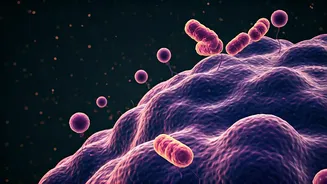
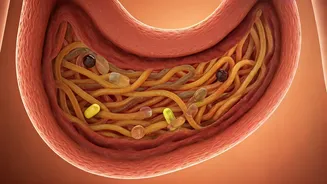
Increasingly, science is revealing the powerful connection between gut health and athletic performance. The trillions of microorganisms in your digestive tract, known as the gut microbiome, play a vital role in nutrient absorption, immune function, and even mental resilience. Research suggests that elite athletes often have a more diverse and stable gut microbiota compared to non-athletes, which may give them a competitive edge. A healthy gut can improve energy levels, reduce inflammation, and lower the risk of gastrointestinal issues that can derail training. Athletes can support their gut health by eating a diet rich in fibre, polyphenol-rich foods like berries and green tea, and fermented foods containing probiotics, such as yogurt and kefir.
Personalization Is Paramount
The one-size-fits-all diet is officially a thing of the past. The unique focus in modern sports nutrition is hyper-personalization. A generic plan rarely delivers optimal results because every athlete's body, sport, and goals are different. Truly personalized nutrition accounts for an individual's unique physiology, training demands, metabolic rate, and even their genetic profile. Emerging technologies like wearable sensors that provide real-time data on glucose levels and sweat composition are making this more accessible than ever. By tailoring macronutrient ratios, micronutrient support, and timing strategies, athletes can fuel their bodies more precisely, leading to better energy, faster recovery, and a greater ability to perform consistently.