





Gear Up for Walks
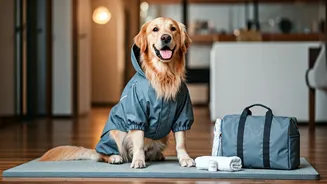
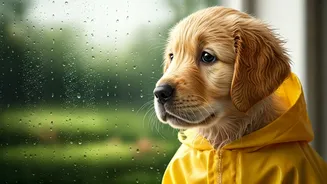
Don't let a downpour stop you from essential potty breaks. Investing in a good quality, waterproof raincoat for your dog can make all the difference. Look for one that is lightweight, comfortable, and provides good coverage without restricting movement.
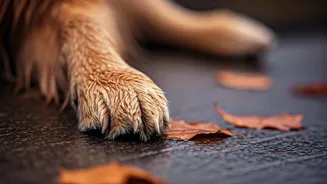
For pets with sensitive paws, waterproof booties can protect them from dirty puddles, sharp objects hidden in the water, and potential infections. Introduce this gear gradually at home with lots of treats and praise, so your pet associates them with a positive experience rather than a pre-walk struggle. This ensures that when the rain does come, they are ready and willing to suit up.
Master the Post-Walk Cleanup
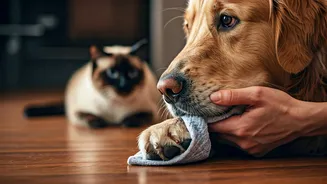
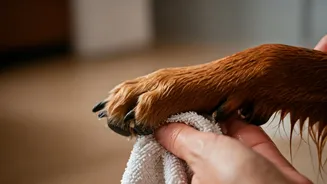
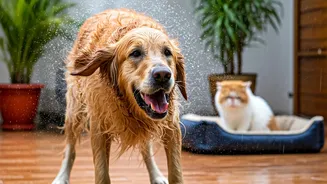
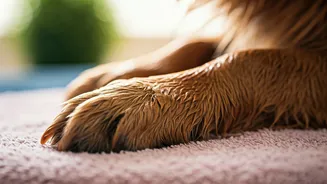
What happens after a wet walk is just as important as the walk itself. Damp fur and paws are a breeding ground for fungal and bacterial infections. As soon as you get home, thoroughly dry your pet with a dedicated, absorbent towel. Pay special attention to their paws, the area between their toes, their armpits, and their ears—places where moisture loves to hide. Using a hairdryer on a low-heat, low-speed setting can be helpful for long-haired breeds, but ensure your pet is comfortable with the noise. A quick wipe-down with a paw-cleaning solution or a mild antiseptic wash can also help keep germs at bay.
Create an Indoor Playground
When the weather makes outdoor play impossible, bring the fun indoors. A physically tired pet is happy, but a mentally stimulated one is fulfilled. Engage your dog with scent work by hiding treats around the house and encouraging them to 'find it'. Puzzle toys and food-dispensing toys are excellent for keeping their minds busy and making mealtime more engaging. For cats, a simple cardboard box, a feather wand, or a laser pointer can provide hours of entertainment. You can also use this indoor time to brush up on obedience training or teach them a new trick, which strengthens your bond and works their brain.
Adjust Their Diet Accordingly
Fewer walks and less running around means your pet is burning fewer calories. Continuing to feed them the same amount as you would on an active summer day can lead to unnecessary weight gain. Monitor your pet's body condition and consider slightly reducing their portion sizes during the monsoon months. If you’re unsure how much to adjust, consult your veterinarian. Ensure they always have access to fresh, clean drinking water, and discourage them from drinking from puddles outside, as this can lead to stomach infections and water-borne diseases.
Prioritise Health and Hygiene
The damp, humid conditions of the monsoon are perfect for parasites like ticks and fleas to thrive. Stay diligent with your pet’s tick and flea prevention treatment. Check their coat and skin regularly for any signs of ticks, redness, rashes, or bald patches, which could indicate a skin infection. Keep their ears clean and dry to prevent ear infections, which are common during this season. If you notice persistent scratching, licking, or any unusual behaviour, it's always best to schedule a visit to the vet for a professional check-up.
Don't Neglect Mental Stimulation
Physical exercise is only one part of your pet's overall well-being. A bored pet can become a destructive one. Combat cabin fever with activities that provide mental enrichment. Interactive toys, long-lasting chews, or a frozen Kong filled with pet-safe goodies can keep them occupied for a good while. Even a short 10-15 minute training session to reinforce commands like 'sit', 'stay', or 'come' provides valuable mental work and reinforces good behaviour. This focused attention helps keep anxiety and boredom-related issues at bay, ensuring your pet remains calm and content even when cooped up indoors.