


From Add-On to Main Attraction
For decades, Indian travel was often a whirlwind tour of monuments, viewpoints, and famous landmarks. Food was something you ate along the way, often a comforting dal or a familiar biryani. Today, that script has been completely flipped. A significant
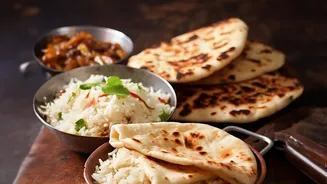
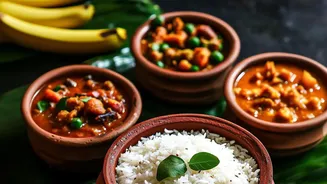
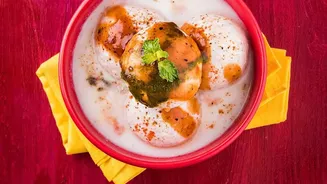
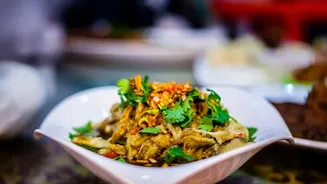
number of Indian travellers now choose their destination based on its culinary offerings. Recent reports indicate that up to 40% of travellers identify food as a major factor in their holiday planning. This marks a fundamental shift from sightseeing-led tourism to experience-driven journeys, where the most authentic souvenir is a recipe learned or a new flavour discovered.
The Quest for Authentic Connection
So, what's driving this change? A major factor is a collective yearning for authenticity. In an increasingly globalised world, travellers are seeking deeper, more meaningful connections to the places they visit. Local food provides a direct and delicious pathway into a region's culture, history, and traditions. Sharing a meal cooked in a local home, exploring a bustling spice market, or learning the secret to a perfect regional curry offers a sense of place that a postcard cannot. It's about tasting the story of a community, one dish at a time. This desire for authentic experiences is leading travellers away from generic tourist traps and towards hidden eateries and local kitchens.
The Social Media Effect
The rise of visual social media platforms like Instagram has played a powerful role in this trend. Food bloggers and travel influencers have turned local and regional cuisines into aspirational experiences. A scroll through a social media feed can transport you to the vibrant street food stalls of Amritsar or a serene farm-to-table lunch in the hills of Uttarakhand. This digital storytelling makes regional food more visible and accessible, inspiring countless travellers to turn what they see online into a real-life travel plan. Hashtags and visually stunning content have effectively created a new kind of travel bucket list, one that is curated by flavour.
A New Generation of Conscious Travellers
This trend is particularly strong among younger travellers, from millennials to Gen Z, who are often more conscious about their impact. Choosing local food is not just a culinary decision; it's a vote for sustainability and supporting local economies. Dining at small, family-run establishments or participating in farm stays ensures that tourist spending directly benefits the community. This ties into the growth of agritourism, where travellers visit farms and rural areas to experience agriculture firsthand, from picking fruits to learning about traditional farming methods. It's a form of travel that feels good and tastes even better, offering a connection to the land and the people who cultivate it.
Beyond the Restaurant
Culinary tourism in India has evolved far beyond just eating at restaurants. An entire ecosystem of food-focused activities is now booming. Travellers are eagerly signing up for cooking classes to learn local recipes, joining curated food walks through historic city lanes, and booking farm-to-table dining experiences. These immersive activities offer hands-on engagement, transforming passive tourists into active participants in the local food culture. This evolution shows that for the modern Indian traveller, food is not just sustenance; it is an experience, an education, and an adventure all rolled into one.