




The Building Blocks of Muscle Repair
When you exercise, your muscle fibres experience tiny micro-tears. The repair of this damage is what makes muscles stronger, and protein is the essential material for this rebuilding process. But it's more specific than just 'protein'. The crucial components
are amino acids, the building blocks that make up protein. Our bodies need 20 different amino acids to function. While our systems can produce 11 of them (non-essential amino acids), there are nine we must get from food. These are called essential amino acids, and they are critical for triggering muscle protein synthesis, the process that drives recovery and growth after a workout. Without an adequate supply of all nine, your body's ability to repair itself is compromised.
The Vegetarian Protein Puzzle
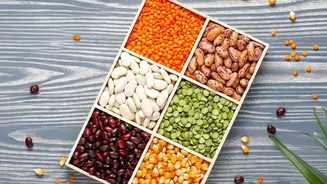
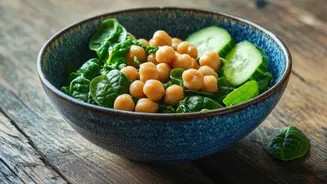
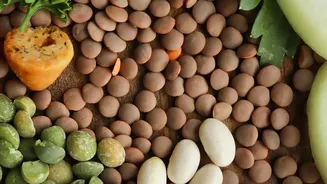
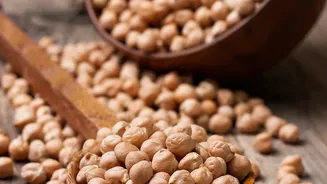
Animal-based proteins from meat, eggs, and dairy are considered 'complete' proteins because they contain all nine essential amino acids in sufficient quantities. Most individual plant-based foods, however, are 'incomplete'. This doesn't mean they are inferior, only that they are low in one or more of the essential amino acids. For example, legumes like beans, lentils, and chickpeas are nutritional powerhouses, but they are typically low in the essential amino acid methionine. On the other hand, whole grains like rice, wheat, and oats are often low in another essential amino acid, lysine. This is the central challenge for a vegetarian diet focused on muscle repair: ensuring you get a balanced profile of all essential amino acids to effectively fuel recovery.
Unlocking Synergy with Smart Pairing
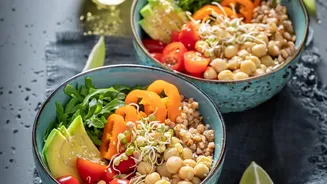
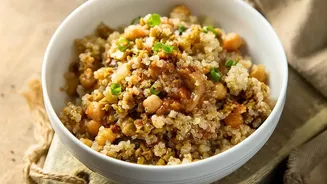
The solution is elegant in its simplicity: protein combining. By pairing foods with complementary amino acid profiles, you can easily create a meal that delivers all nine essential amino acids. The lysine that is lacking in grains is abundant in legumes. Conversely, the methionine that legumes are low in is present in grains. When you eat them together, they form a synergistic combination that provides a complete protein profile, giving your body the full set of tools it needs for robust muscle repair and growth. This is a foundational concept in vegetarian nutrition that has been practiced intuitively in cuisines around the world for centuries.
Classic Indian Combinations That Work
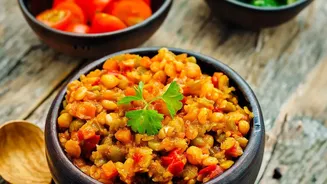
For anyone in India, this practice is already a delicious part of our culinary heritage. The concept of pairing a grain with a legume is the backbone of many traditional meals that happen to be perfect for post-workout recovery. Think of a comforting bowl of Rajma Chawal (kidney beans with rice) or a wholesome plate of Dal with Roti (lentils with whole wheat flatbread). Even the humble Khichdi, a blend of rice and lentils, is a perfect example of a complete protein meal. Other powerful combinations include chickpea curry (Chana Masala) with brown rice or a multigrain roti with paneer bhurji. These meals not only provide the necessary amino acids but also deliver complex carbohydrates to replenish the energy stores (glycogen) depleted during your workout.
Do You Need to Combine in Every Meal?
A common question is whether these complementary proteins must be eaten in the exact same meal. For general health, the science is clear: you don't. The body maintains a pool of amino acids, so as long as you eat a varied diet with different plant protein sources throughout the day, your body can pull what it needs. However, for optimizing post-workout recovery, consuming a complete protein meal within an hour or two after exercise can be particularly beneficial. This timing helps to quickly shuttle amino acids to your muscles when they are most receptive to repair, kick-starting the recovery process more efficiently. A meal of grains and legumes is a convenient and highly effective way to achieve this.
Beyond Grains and Legumes
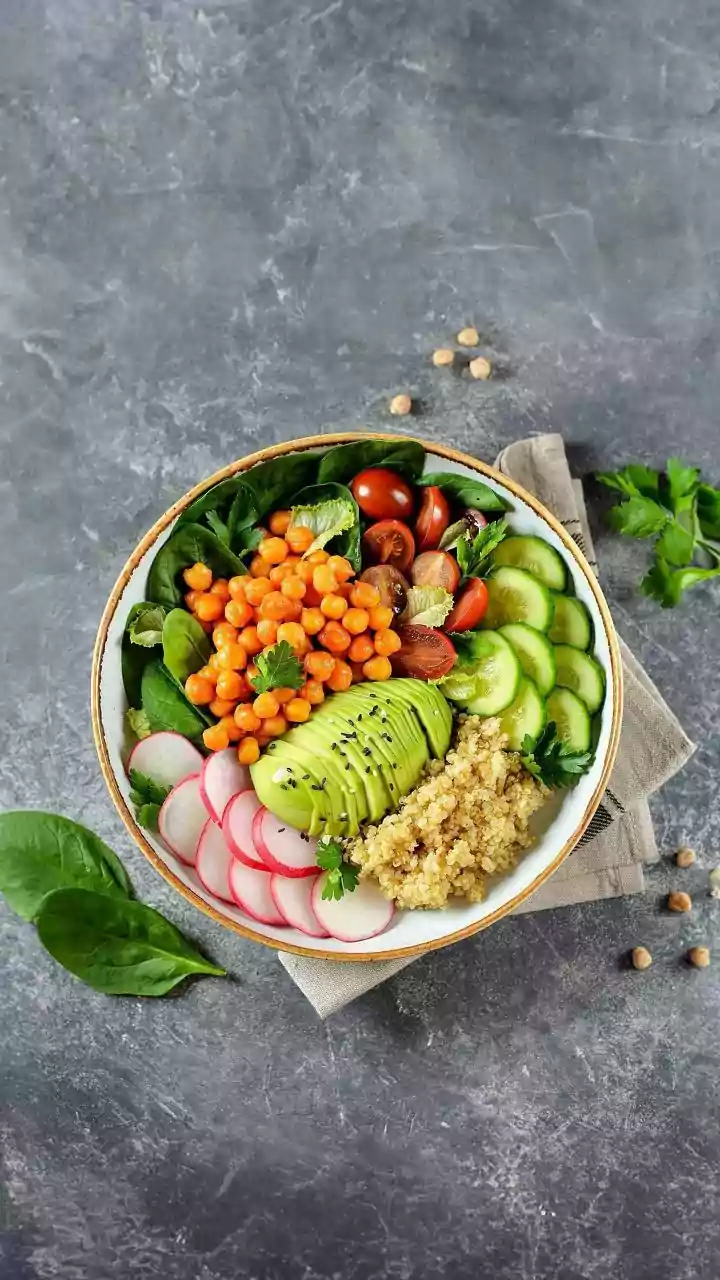
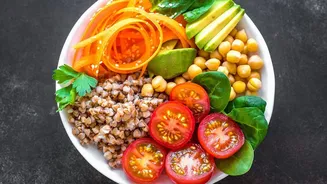
While the grain-and-legume partnership is a reliable strategy, the vegetarian diet offers other sources of complete protein that don't require pairing. Foods like quinoa, soy products (tofu, tempeh, edamame), buckwheat, and amaranth naturally contain all nine essential amino acids. Incorporating these into your diet adds variety and ensures your protein needs are easily met. A tofu stir-fry with vegetables, a quinoa salad with black beans, or a post-workout smoothie with soy protein can all serve as excellent recovery meals. Ultimately, the key is variety. A well-planned vegetarian diet rich in diverse sources of protein can support athletic performance and muscle building just as effectively as any other dietary approach.