




Know Before You Go
The first rule of monsoon travel is to become a dedicated weather-watcher. Before you even pack a bag, check the latest forecasts from the India Meteorological Department (IMD) for your intended destination. As of late August 2026, the IMD has issued
warnings for heavy rainfall in various parts of the country, including Northeast India, Uttar Pradesh, Bihar, Madhya Pradesh, and states along the Konkan coast. Pay close attention to alerts for potential waterlogging, flash floods, and landslides, especially in hilly and coastal regions. Understanding these warnings is crucial; they aren't just suggestions but vital information that can help you avoid dangerous situations and major travel disruptions.
Choose Your Destination Wisely
Not all destinations are created equal during the monsoon. While the mountains of Uttarakhand and Himachal Pradesh are beautiful, they are also prone to landslides and road closures during heavy rains. Consider swapping high-risk mountain corridors for safer alternatives. Destinations in rain-shadow regions like Leh-Ladakh remain mostly dry and are excellent choices. Alternatively, places like Udaipur, Mahabaleshwar, Lonavala, or the backwaters of Kerala can be enchanting in the rain and are generally well-equipped for monsoon tourism, though it's still wise to check local conditions. The key is to select a place where you can enjoy the rain's beauty from a safe and comfortable vantage point, rather than being trapped by it.
Smart Packing Essentials
Packing correctly can make the difference between a soggy ordeal and a pleasant trip. Prioritize lightweight, synthetic clothes that dry quickly; jeans are a definite no-go as they stay damp for ages. A sturdy raincoat, a reliable umbrella, and waterproof footwear with good grip are non-negotiable. To protect your valuables, invest in waterproof bags or zip-lock pouches for your electronics, documents, and cash. A power bank is a lifesaver, as power cuts can be more frequent during storms. Also, pack a basic first-aid kit with medications for common ailments, along with a strong insect repellent, as mosquitoes are more prevalent during this season.
Safer Travel and Transport
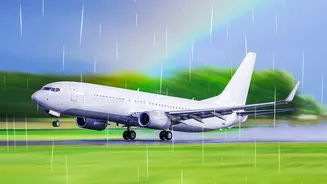
How you get there matters just as much as where you're going. Road trips require extra caution due to slippery roads and poor visibility. Avoid driving at night if possible and never attempt to cross flooded streets. Train travel can often be a more reliable option, but delays are still possible, so build buffer time into your schedule. If you're flying, be aware that heavy rain can lead to flight delays and cancellations, as seen in Delhi recently. Always check your flight status before heading to the airport. Regardless of your mode of transport, inform a friend or family member of your itinerary and check in with them regularly.
On-the-Ground-Smarts
Once you've reached your destination, a few precautions will ensure your trip remains enjoyable. Be extremely careful with food and water. To avoid waterborne diseases, stick to bottled or purified water and eat freshly prepared, hot meals from clean, reputable establishments. Avoid street food that may have been exposed to the elements. If you're near rivers or waterfalls, admire them from a safe distance, as water levels can rise unexpectedly. Finally, embrace flexibility. Your carefully planned itinerary might be disrupted by a sudden downpour. Instead of getting frustrated, have a backup plan. A rainy afternoon is a perfect excuse to explore an indoor market, visit a local museum, or simply relax with a hot cup of tea and a good book.