


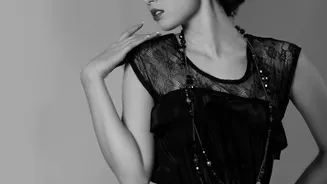


The perfect updo can make you feel polished and put-together, but finding one that reliably stays in place can be a challenge. The secret isn't just the style, but how you prep and adapt it to your unique hair type for a flawless, long-lasting look.
The Foundation for Any Great Updo
Before
you even think about twisting or pinning, the success of your updo starts with preparation. Most stylists agree that hair is easier to style on the second day after washing. Freshly washed hair is often too soft and slippery, causing pins to slide and styles to fall flat. If your hair is clean, create some grip by spritzing a texturizing spray or a dry shampoo at the roots. This simple step adds the grit needed to give your pins something to hold onto, ensuring a more secure foundation. Regardless of your hair type, having the right tools is also crucial. High-quality bobby pins that match your hair colour, strong elastics that don't snag, and a light-hold hairspray are essentials for any updo toolkit.
For Fine or Thin Hair: Create Volume and Grip
The main challenge for fine hair is creating the illusion of fullness and making sure the style doesn't collapse or slide out. The key is to build volume and texture before you begin. Start by applying a volumizing mousse or root-lifting spray to damp hair before blow-drying. Strategic, gentle teasing at the crown and roots can also create a cushion for your updo to rest on. When it comes to styles, a low textured bun is a forgiving choice, as it doesn't require massive volume at the crown. Instead of one large, heavy bun, consider styles that break the hair into smaller sections, like a tucked double braid or a knotted updo, which make the hair appear more substantial. Finally, swap traditional bobby pins for spiral-shaped spin pins, which are game-changing for locking fine hair in place without slipping.
For Thick or Heavy Hair: Manage Weight and Add Support
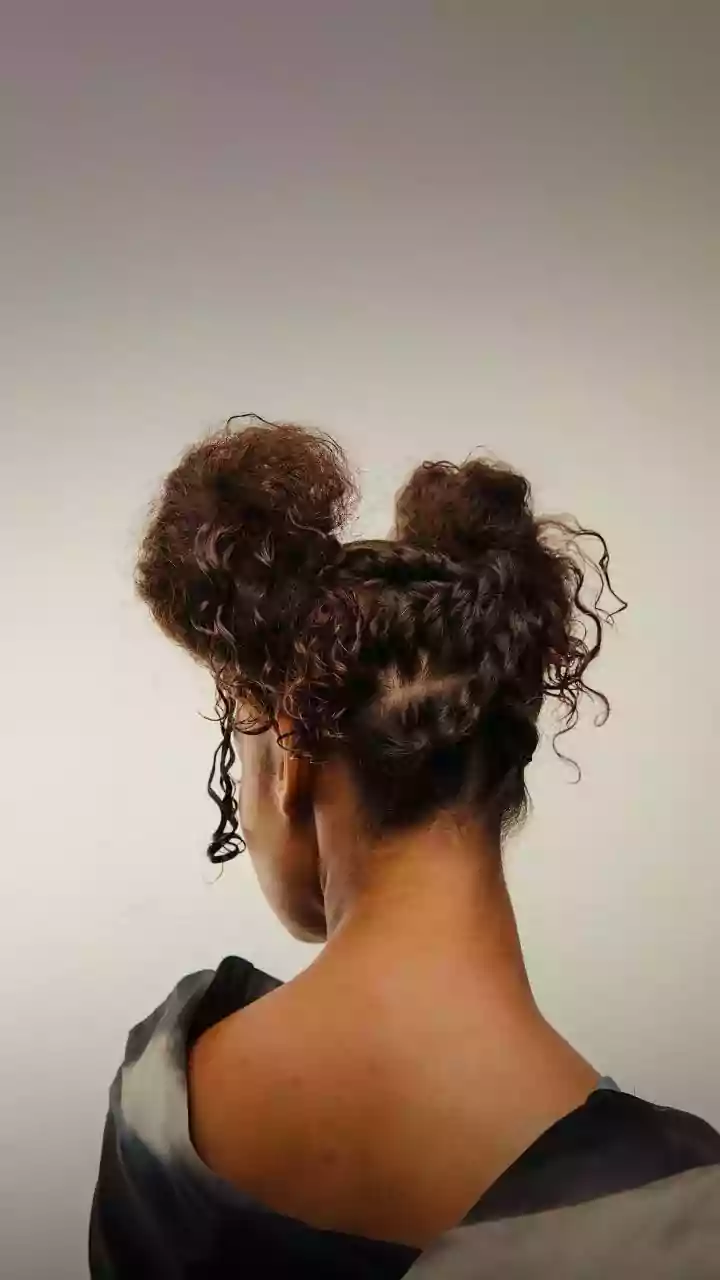
With thick hair, the battle is against gravity and the dreaded tension headache. A single, high bun can put too much strain on one spot. The solution is to distribute the weight. Styles like crown braids or double buns—where the hair is split into two sections—balance the load across your scalp. Sectioning is your best friend. Instead of trying to wrangle all your hair at once, create your updo in stages. For a sophisticated chignon, for example, creating two separate ponytails and then twisting them together provides better support. You can also use braiding as a structural element within a bun; a braided base holds much more securely than just twisted hair. Look for larger, more structural accessories like hair forks or large clips, which can hold more hair with less strain than a dozen small bobby pins.
For Curly and Coily Hair: Work with Your Texture
The beauty of curly hair is its natural volume and texture, which provide an excellent builtin foundation for an updo. The goal is to enhance your curls, not fight them. Moisture is essential to prevent frizz. Start with wellhydrated hair, using a leavein conditioner or curl cream. Styles like the 'pineapple'—a high, loose ponytail on top of the head—are both a protective style and a chic, effortless updo. For more formal looks, a halo braid or a twisted crown updo works beautifully, allowing the texture of the curls to be the main feature. When securing your style, work with your curl patterns. Instead of forcing hair into a rigid shape, gently guide and pin sections where they naturally want to sit to create a custom, voluminous updo. Bantu knots are another great option that serves as both a protective style and a striking updo.
For Straight and Silky Hair : Build In Some Hold
Straight , silky hair is notorious for slipping out of even the most securely pinned styles . Like with fine hair , creating texture is non - negotiable . Dry shampoo or texturizing spray is essential for giving your strands some much - needed grip . Creating a base with some structure can make all the difference . For instance , starting with a small , hidden braid or a twisted ponytail can act as an anchor point to pin the rest of your hair into . A sleek chignon or a French twist are excellent choices because they rely on tension and tucking to stay in place . To create a sleek bun , use a styling cream or gel to smooth down flyaways before twisting your ponytail . Even a simple ponytail can be elevated by splitting it in two , looping one section through the other , and securing it for a more intricate and stable look that defies your hair ' s slippery nature .