


The Anatomy of the 'Office Slouch'
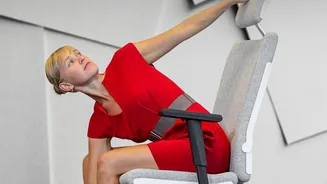
Hours spent hunched over a keyboard create a predictable pattern of strain. This is often called 'upper crossed syndrome'. The muscles on the front of your body, particularly the chest (pectorals) and front of the shoulders, become tight and short. Meanwhile,
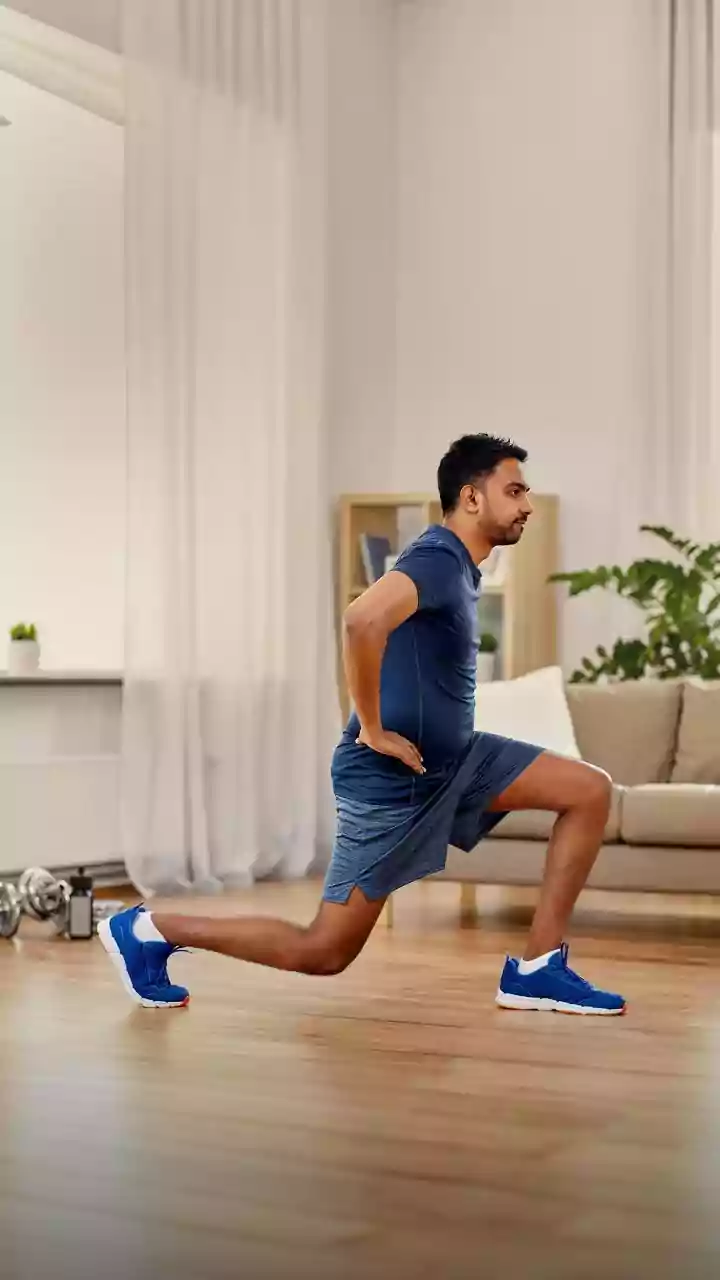
the opposing muscles in your upper back—the rhomboids and trapezius—become stretched and weak from constantly being pulled forward. A similar issue, 'lower crossed syndrome', happens in the lower body. Prolonged sitting tightens the hip flexors while weakening the glutes, leading to an anterior pelvic tilt and lower back pain. Essentially, your body develops significant front-to-back imbalances, where the 'pulling' muscles on the front overpower the 'supporting' muscles on the back.
Building a Stronger Framework
Weight lifting directly counteracts these imbalances by strengthening the muscles that have become weak and dormant. The goal is to build up the 'posterior chain'—the network of muscles running down the entire back of your body, from your upper back and lats to your glutes and hamstrings. By strengthening these posterior muscles, you create a powerful support system that naturally pulls your shoulders back and encourages an upright torso. A strong back and engaged glutes provide a stable foundation, taking the pressure off your spinal discs and reducing strain. Think of it as building an internal scaffold that holds your body in its correct alignment, rather than constantly having to remind yourself to 'sit up straight'.
Key Lifts for Structural Integrity
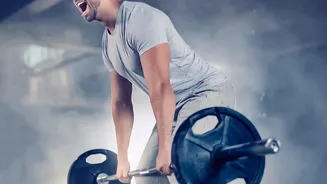
While many exercises are beneficial, a few compound movements are particularly effective for correcting office-induced posture problems. Rows, in all their variations (barbell, dumbbell, or seated cable), are essential for building the upper back muscles that retract your shoulder blades and fight against rounded shoulders. Deadlifts are a master exercise for the entire posterior chain, strengthening everything from your back to your glutes and hamstrings in one efficient movement. Squats are excellent for activating the glutes and core, which are often weak from sitting. Finally, exercises like face pulls or resistance band pull-aparts can be added to specifically target the small, crucial muscles of the rear shoulders and upper back, providing direct opposition to the forward slump.
It’s More Than Just Lifting Heavy
The secret to using weightlifting for posture correction isn’t about lifting the heaviest weight possible. It’s about form, control, and consistency. Start with lighter weights to master the movement patterns and ensure you're activating the correct muscles. Poor form can reinforce existing imbalances, so it’s crucial to get it right. A strong core is also non-negotiable. Exercises like planks and bird-dogs train the deep abdominal muscles to stabilize your spine, creating a solid trunk from which your limbs can move. This core stability is what allows your back and glutes to do their job properly, protecting your lower back from injury. A balanced routine that includes both strengthening these key areas and stretching tight muscles like the chest and hip flexors will yield the best results.