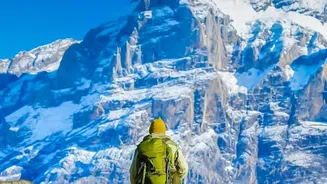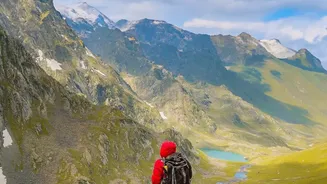

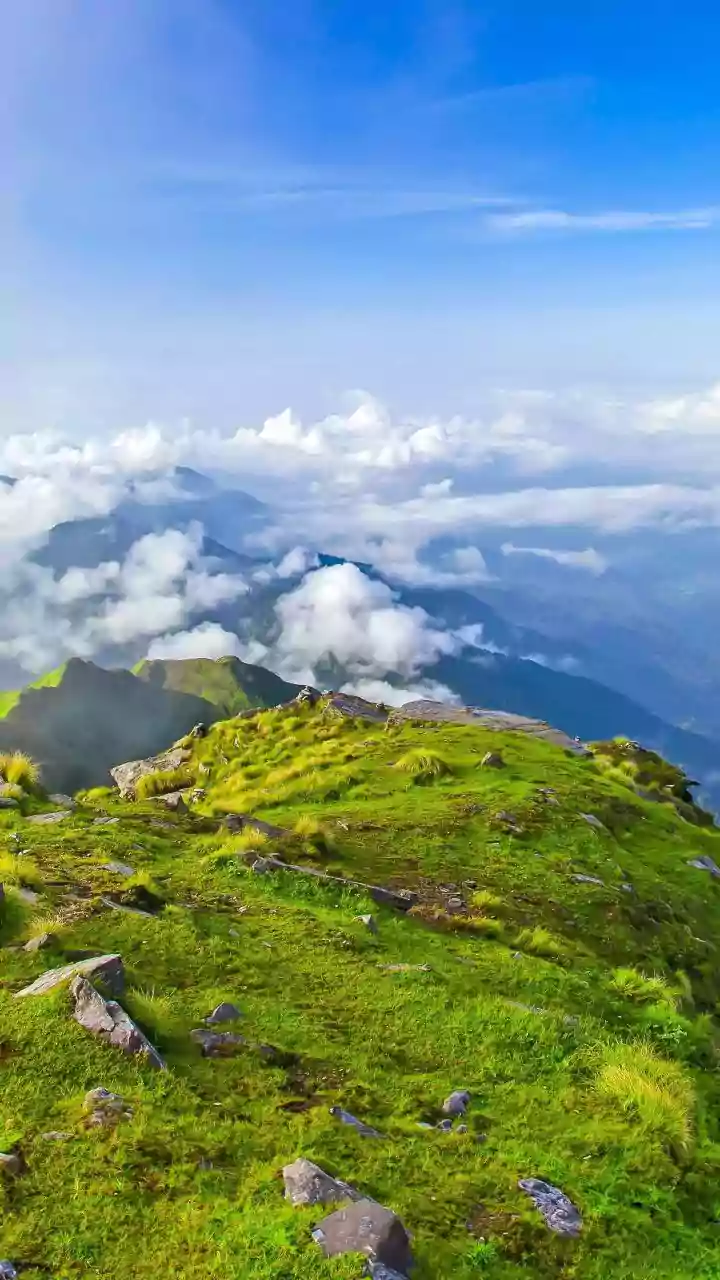
An Escape to the Monsoon Mountains
The upcoming Independence Day long weekend, falling in the middle of August, has become a perfect excuse for an escape. For many, the idea of freedom is increasingly tied to breaking away from urban routines and connecting with nature. This year, the high-altitude
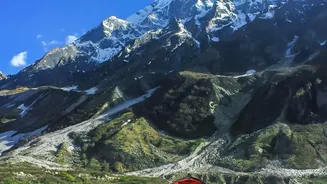
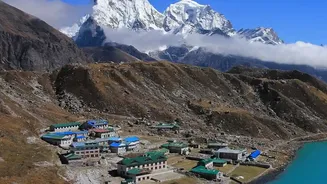
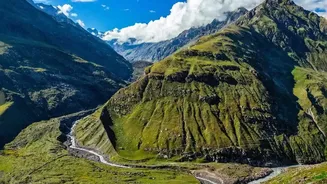
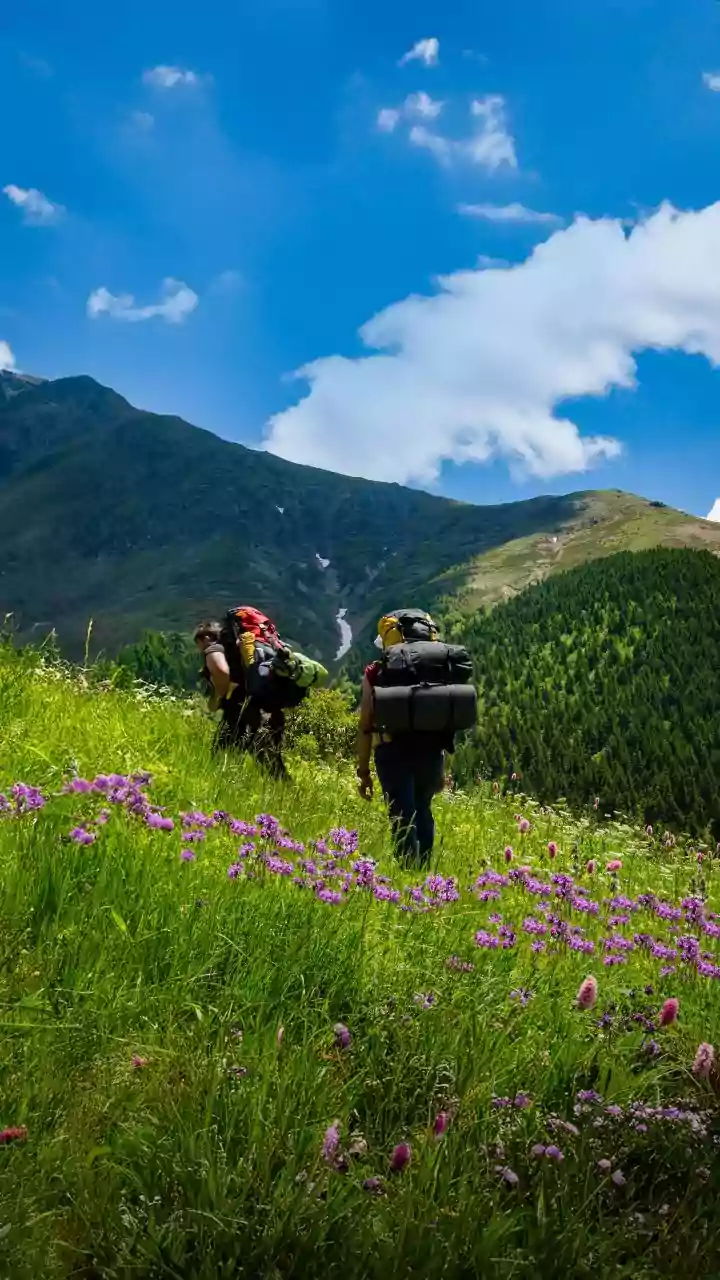
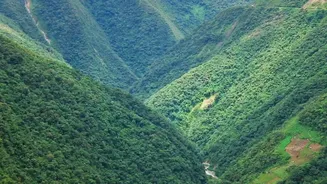
valleys and meadows of Uttarakhand are the destination of choice. The monsoon season transforms the Garhwal Himalayas into a lush, emerald paradise. While trekking in the rain might seem daunting, it is precisely this season that brings certain landscapes to life, offering an experience unavailable at any other time of the year. The air is crisp, the forests are alive with the scent of wet earth, and countless streams and waterfalls cascade down the mountainsides.
Valley of Flowers: A Once-a-Year Spectacle
The undisputed star of monsoon trekking is the Valley of Flowers National Park, a UNESCO World Heritage Site. Its season is short and sweet, peaking from July to mid-August, making the Independence Day weekend a prime time to visit. During this window, the valley explodes with colour as over 500 species of alpine flowers bloom across its vast meadows. Trekkers are greeted by a carpet of blossoms, including the rare and iconic Brahma Kamal and the elusive Himalayan Blue Poppy. The trek itself is considered moderate, with a well-paved trail from Govindghat to the base camp at Ghangaria, making it accessible even for enthusiastic beginners. The journey through misty, flower-strewn paths, with majestic peaks playing hide-and-seek in the clouds, is an unforgettable experience.
Har Ki Dun: The Valley of the Gods
Deep within the Govind Wildlife Sanctuary lies Har Ki Dun, a cradle-shaped valley steeped in mythology and natural beauty. Known as the “Valley of Gods,” this trek offers a unique blend of culture and adventure. While some guides advise caution during peak monsoon due to slippery trails, the valley's lush greenery during this time is a major draw for many adventurers. The trail passes through ancient Garhwali villages like Osla, where life continues much as it has for centuries, offering a glimpse into traditional Himalayan culture. The views of the Swargarohini peak, which is believed to be the stairway to heaven, add a mystical aura to the journey. The trek is of a moderate difficulty, rewarding hikers with serene landscapes of meadows, forests, and gurgling streams.
Dayara Bugyal: The Endless Green Meadow
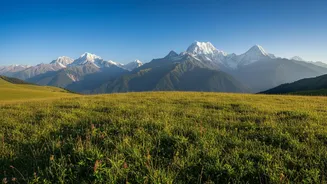
For those seeking vast, rolling grasslands, Dayara Bugyal is a perfect choice. Considered one of India’s most beautiful high-altitude meadows, it transforms into an infinite-looking green carpet during the monsoon. The trek is graded as easy to moderate, making it suitable for beginners and families looking for a less strenuous adventure. The trail winds through dense forests of oak and deodar before opening up to the breathtaking expanse of the bugyal. During monsoon, the meadows are dotted with vibrant wildflowers and offer stunning panoramic views of snow-capped peaks like Bandarpoonch and Srikanth when the clouds part. It is a safe and rewarding monsoon trek that delivers a powerful dose of Himalayan grandeur without the extreme technical challenges.
Trekking Smart in the Monsoon
While the monsoon enhances the beauty of these treks, it also demands respect and preparation. Safety should always be the top priority. Always hire a certified local guide who understands the terrain and weather patterns. Your packing list must include high-quality waterproof gear, including a rain jacket or poncho and a cover for your backpack. Sturdy, waterproof trekking shoes with excellent grip are non-negotiable to handle wet and slippery trails. Dressing in layers with quick-drying clothes will help you stay comfortable as temperatures fluctuate. Finally, practice responsible tourism by leaving no trace, respecting local customs, and contributing positively to the local economy. Always check road connectivity and weather advisories before starting your journey.