






Plan Your Menu and Your Shopping List
The single most effective way to control festive spending is to plan. Before you buy anything, decide on your menus for the main festival days. What sweets will you make? What dishes will you prepare for family meals? Once you have a menu, create a detailed
shopping list with specific quantities. This simple act prevents impulse buys, which are often the biggest budget-breakers during the festive rush. A well-made list ensures you buy only what you truly need, reducing both overspending and potential food waste.
Time Your Purchases Strategically
Don't do all your shopping in the final week. Prices for key festive ingredients like sugar, ghee, and dry fruits can spike by as much as 10-15% in the last few days before a major festival like Diwali due to peak demand. A smarter strategy is to split your shopping into phases. Buy non-perishable staples like rice, atta, oil, and sugar at least two weeks in advance. This ensures you get better prices and avoid the last-minute scramble. Perishable items such as vegetables, paneer, and flowers should be purchased only a day or two before they are needed to ensure freshness and minimise waste.
Buy in Bulk, But Be Smart About It
For items your household uses consistently, bulk buying offers significant savings. Staples like rice, lentils, flour, and cooking oils are often cheaper per kilogram when purchased in larger quantities. However, this strategy only works for items with a long shelf life that you are certain to use. Avoid buying perishable goods or niche ingredients in bulk unless you have a clear plan to use them immediately. A giant bag of an exotic spice might seem like a good deal, but it's wasted money if it sits unused in your pantry for months.
Embrace Local and Seasonal Produce
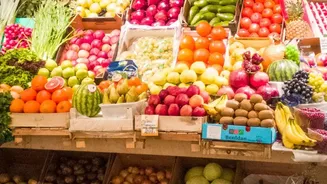
While the convenience of supermarkets is tempting, you often pay a premium for it. Your local sabzi mandi or weekly haat market is likely to offer fresher produce at significantly lower prices. Supermarkets have overheads like packaging, branding, and logistics that get added to the final cost. Focussing your meals around seasonal fruits and vegetables is another way to save. Produce that is in season is more abundant, and therefore cheaper and more nutritious.
Leverage Technology and Compare Prices
Put your smartphone to work. Before heading out, use online grocery apps and price comparison websites to see which stores are offering the best deals on your list of items. Many online platforms offer exclusive discounts, combo deals, and cashback offers during the festive season. While quick-commerce apps are useful for last-minute needs, they can encourage impulse spending. For your main planned shop, comparing prices between a few local kiranas and larger online retailers can lead to substantial savings. Some stores also have loyalty programs that provide extra points or discounts during festive periods.
DIY Festive Staples and Reduce Waste
Instead of buying expensive readymade sweets and snacks, consider making them at home. Core ingredients like besan, ghee, and jaggery are far more cost-effective. Making snacks like chivda and murukku at home can also be cheaper than buying multiple packaged namkeens. This approach not only saves money but adds a personal touch to your celebrations. Furthermore, pay close attention to what is already in your kitchen. Do a quick inventory of your pantry and fridge before you shop to avoid buying duplicates and ensure you use up items before they expire.