


From Tourist Hotspot to Remote Work Hub
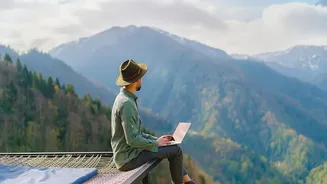
For years, towns like Manali, Shimla, and Dharamshala have been beloved tourist destinations. But the global shift to remote work has introduced a new kind of visitor: the digital nomad. Unlike tourists who stay for a few days, these professionals settle
in for weeks or months, seeking a productive environment away from urban chaos. This has sparked a quiet revolution in the local economy. Destinations that were once reliant on seasonal tourism are now seeing year-round activity, with nomads filling accommodations during the traditional off-season. This shift is changing everything from housing models to the very definition of a mountain getaway.
The New Infrastructure of Work
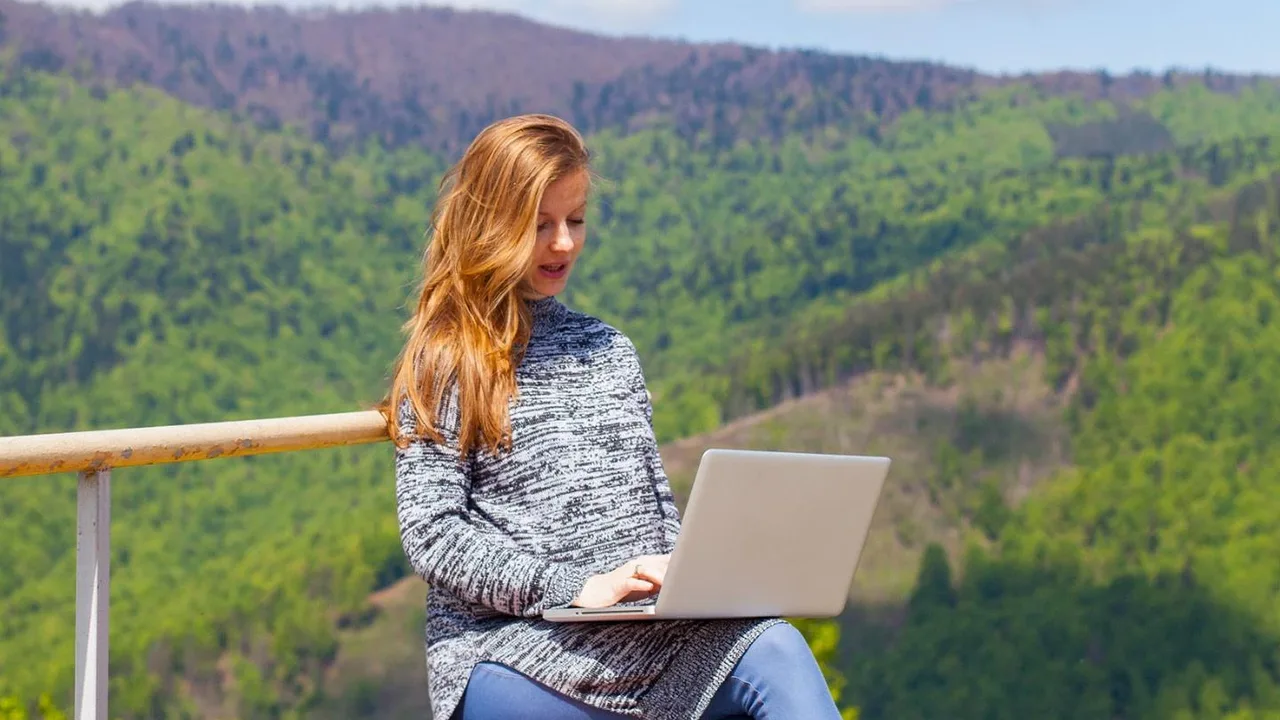
The most crucial adaptation has been in digital infrastructure. Simply having Wi-Fi is no longer enough. To attract and retain digital nomads, Himachali towns have seen a significant upgrade in internet connectivity. In hubs like Dharamshala and Manali, fiber optic connections offering speeds from 50 to over 150 Mbps are becoming common. Recognizing that reliable power is just as critical, many establishments now offer robust power backup systems. This has led to the rise of dedicated co-working and co-living spaces like AltSpace and NomadGao, which provide not just a desk, but a fully-equipped, professional environment with ergonomic chairs, meeting rooms, and a distraction-free setting.
Rethinking Accommodation and Services
The hospitality sector has been quick to evolve. Hotels and guesthouses that once focused on nightly rates are now offering attractive weekly and monthly packages designed for long-term stays. This model provides a steady revenue stream for property owners and affordability for nomads. Co-living spaces have emerged as a popular choice, offering a private room alongside shared communal areas, fostering a sense of community. These spaces often include meals, laundry, and regular cleaning, allowing residents to focus on work without worrying about daily chores. This evolution caters directly to the nomad lifestyle, which values convenience, community, and flexibility over traditional hotel luxury.
Building a Community Beyond the Screen
Adaptation isn't just about infrastructure; it's also about culture. The influx of remote workers has led to the creation of vibrant, blended communities where locals and nomads interact. Co-working spaces and local cafes often host networking events, skill-sharing workshops, and social gatherings like open mics and film screenings. This fosters a supportive ecosystem that combats the isolation remote work can sometimes bring. Establishments are curating experiences that go beyond sightseeing, such as yoga classes, trekking clubs, and meditation sessions, allowing nomads to integrate more deeply into the local culture and landscape. This creates a more meaningful experience for the visitor and a richer cultural exchange for the host community.
The Challenges of Transformation
While the economic benefits are clear—reports suggest significant increases in local business revenue in nomad-friendly areas—the transformation is not without its challenges. The rising demand for long-term rentals can lead to increased housing costs for local residents. There's also a growing strain on natural resources, including water and waste management systems, in these ecologically sensitive mountain regions. Balancing the economic opportunity of this new form of tourism with the need for sustainable development and cultural preservation is the critical task facing these Himachali towns as they navigate their future. This involves careful planning to ensure the very beauty and tranquility that attract people in the first place are not compromised.