


The Shift Towards Mindful Wardrobes
In the past few years, a quiet revolution has been taking place in Indian wardrobes. The thrill of fast fashion is giving way to a more considered approach to dressing. Consumers are increasingly seeking out clothes that are not only stylish but also
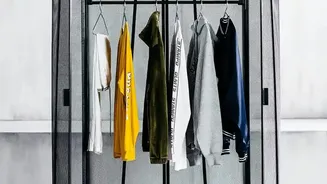
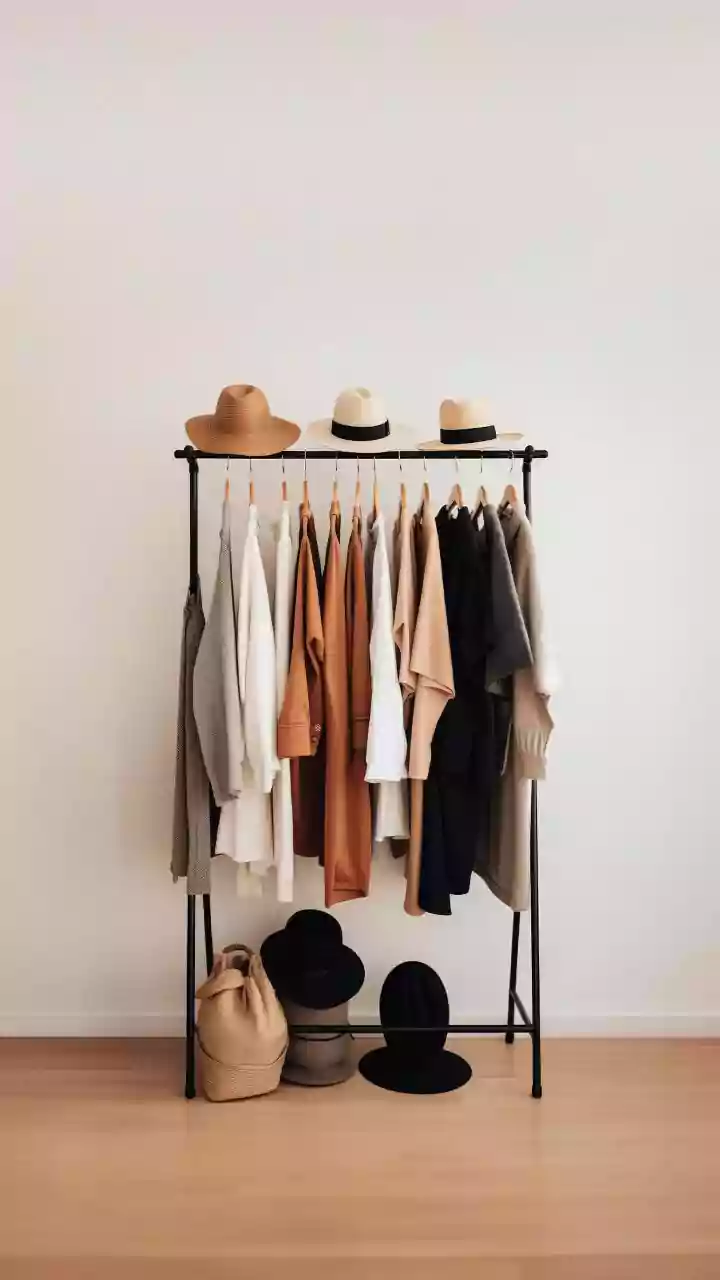
durable, comfortable, and practical. This trend is driven by a desire for sustainability and a reaction against the culture of disposable clothing. Many are now building 'capsule wardrobes'—small, curated collections of high-quality, versatile pieces that can be mixed and matched. This approach simplifies daily dressing, saves money in the long run, and reduces fashion waste. The focus is on timeless items that can seamlessly transition from a work meeting to a casual outing, reflecting a modern Indian lifestyle that is dynamic and multifaceted.
Fabrics First: The Key to All-Weather Comfort
The foundation of this new wave of versatile basics is the fabric. In a country with weather that can range from scorching heat to humid monsoons and chilly winter evenings, the right material is everything. Breathable, natural fabrics are at the forefront of this movement. Organic cotton, known for being soft and gentle on the skin, is a popular choice for everything from kurtas to dresses. Linen and khadi are also prized for their exceptional breathability, making them ideal for hot and humid conditions. For the monsoon season, quick-drying materials like cotton-rayon blends and performance fabrics are gaining traction. Designers are also exploring innovative, sustainable materials such as Tencel, bamboo silk, and recycled blends, which offer comfort without compromising on environmental values. These fabric choices ensure that an outfit can handle a sudden downpour on the way to the office or the switch from outdoor heat to indoor air-conditioning.
The Modern Indian Wardrobe Essentials
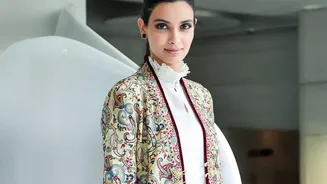
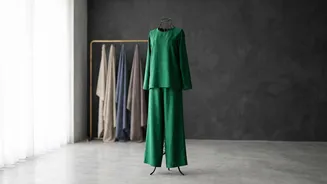
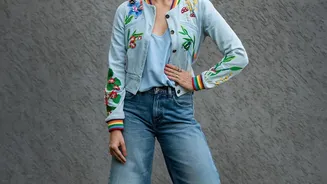
So, what do these versatile basics look like? The modern Indian capsule wardrobe is a blend of ethnic and contemporary styles. The classic straight-cut kurta in a neutral colour remains a staple, easily paired with palazzos, straight trousers, or even jeans for a fusion look. Another key item is the co-ord set, which offers a polished, put-together look with minimal effort. Lightweight, wrinkle-free shirt dresses and A-line midi dresses in fabrics like cotton and linen are also becoming go-to options for their comfort and adaptability. For layering, a multi-purpose dupatta, a lightweight jacket, or a shrug can add a touch of elegance or provide warmth when needed. Footwear choices are also leaning towards comfort and practicality, with stylish juttis, kolhapuris, and leather sneakers becoming everyday favourites.
A Palette of Neutrals and Earthy Tones
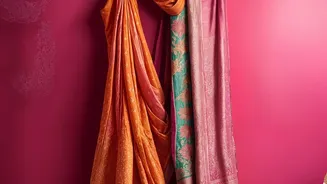
The colour palette for these versatile basics is largely dominated by neutral and earthy tones. Shades like ivory, beige, navy, and charcoal form the foundation of the capsule wardrobe, as they can be easily mixed and matched. Earthy hues such as terracotta, olive green, and mustard yellow are also popular, reflecting a connection to nature and a sense of authenticity. This move towards a more subdued colour scheme doesn't mean that vibrant colours have disappeared from Indian fashion. Instead, pops of colour are often introduced through statement accessories, such as a brightly coloured dupatta, a handcrafted bag, or bold jewellery. This allows for personal expression while maintaining the versatility of the core wardrobe. Minimalist designs, with clean lines and subtle details, are also a key feature of this trend, emphasizing the quality of the fabric and the cut of the garment.