





Understanding the Contenders
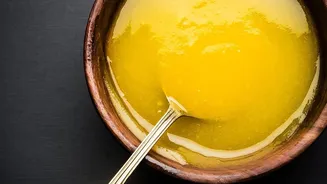
Ghee is a form of highly-clarified butter, made by simmering butter to remove its water content and milk solids. This process leaves behind pure butterfat that is rich in flavour and highly stable. Infused ghee takes this a step further by steeping herbs,
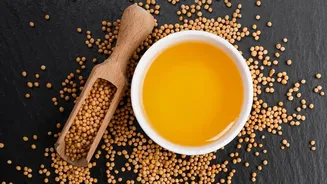
spices, or aromatics like garlic or turmeric during its preparation, embedding their flavours and beneficial compounds into the fat. Cold-pressed oils, on the other hand, are extracted from seeds or fruits using a mechanical press at low temperatures. This method, which avoids high heat and chemical solvents, is designed to preserve the oil's natural nutrients, flavour, and antioxidants. Popular choices in India include mustard, groundnut, sesame, and coconut oil.
The Smoke Point Showdown
The smoke point is the temperature at which a fat begins to break down, smoke, and produce harmful compounds. For high-heat Indian cooking—think tadkas, searing, or deep-frying—a high smoke point is non-negotiable. Ghee is the undisputed champion here, boasting a very high smoke point of around 250°C (485°F). This stability is thanks to the removal of milk solids, which are the first part of butter to burn. Cold-pressed oils have a more varied range. While some, like cold-pressed groundnut oil, can handle high heat, many unrefined oils have lower smoke points better suited for medium-heat cooking or dressings. For instance, many cold-pressed oils smoke between 160°C and 210°C, making them less ideal for intense frying compared to ghee. However, refined oils like avocado or rice bran oil have high smoke points but lose nutrients during processing.
A Question of Flavour
Ghee offers a rich, nutty, and aromatic flavour that is integral to many Indian dishes, from dals to halwas. Infused ghee adds another layer of complexity, allowing you to easily introduce notes of garlic, chilli, or herbs into a dish. Cold-pressed oils carry the distinct flavour of their source material. Cold-pressed mustard oil has a pungent kick, sesame oil provides a deep, nutty taste, and coconut oil lends a sweet, tropical note. The choice here is purely culinary: do you want the foundational richness of ghee or the specific character of a particular oil?
The Health Perspective
The health debate is where the comparison gets most interesting. Ghee is a source of fat-soluble vitamins like A, D, E, and K, as well as butyric acid, a short-chain fatty acid that supports gut health. However, it is high in saturated fat. Conversely, cold-pressed oils are celebrated for their unsaturated fats, including monounsaturated and polyunsaturated fats. Different oils offer unique benefits: cold-pressed mustard oil is a great source of omega-3 fatty acids, which ghee lacks, while cold-pressed groundnut oil is rich in Vitamin E, and sesame oil contains the antioxidant sesamol. Many health experts now suggest that relying on a single fat is not ideal. A balanced approach, rotating between ghee and various cold-pressed oils, provides a wider spectrum of essential nutrients.
The Verdict: Which Belongs in Your Kitchen?
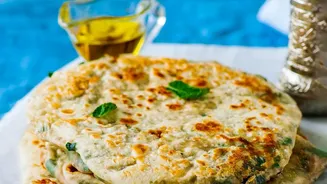
There is no single winner. The ideal kitchen is stocked with both. Ghee, especially infused varieties, is unparalleled for high-heat cooking, tadkas, and for adding a rich, luxurious finish to dishes. Its stability at high temperatures makes it a safer choice for frying. Cold-pressed oils are the workhorses for specific flavours and nutritional needs. Use cold-pressed groundnut oil for general cooking, drizzle pungent mustard oil over a dish for a finishing touch and its omega-3 content, or use sesame oil for light sautéing. The key is to match the fat to the cooking method and the desired health benefit.