





Understanding the Dinner-Time Spike
When you eat a meal, your body breaks down carbohydrates into glucose, or sugar, which enters your bloodstream to be used for energy. A rapid influx of carbohydrates, especially simple or refined ones, can cause a sharp spike in blood sugar. Your body then
releases insulin to manage this surge. When this happens at night, the resulting rollercoaster of high and then low blood sugar can disrupt your sleep, leave you feeling hungry again before bed, and contribute to morning fatigue. While completely eliminating any fluctuation is a lofty goal for anyone, a simple technique known as meal sequencing can drastically reduce the severity of these spikes and help you maintain more stable energy levels throughout the night.
The Science of Food Sequencing
Meal sequencing is the simple practice of eating the different macronutrients on your plate in a specific order. The core principle is to consume fibre, protein, and fats before you eat carbohydrates. Studies have repeatedly shown that this strategy has a powerful effect on post-meal blood sugar levels. When you start with fibre-rich vegetables, followed by protein and healthy fats, you create a kind of buffer in your digestive system. This slows down the rate at which your stomach empties and, consequently, slows the absorption of glucose from the carbohydrates that you eat last. The result is a gentler, more gradual rise in blood sugar instead of a sharp, disruptive spike.
Step 1: Start with Vegetables and Fibre
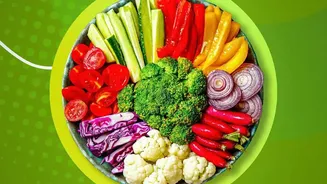
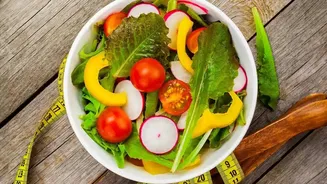
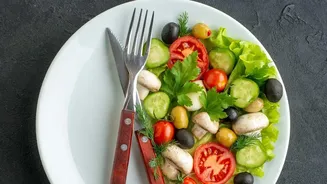
The first step in your new dinner sequence is to begin with non-starchy vegetables. This could be a green salad, a side of steamed broccoli, sautéed spinach, or roasted asparagus. These foods are rich in fibre, which your body doesn't digest. This fibre forms a viscous mesh in your stomach, physically slowing down digestion. Research suggests that eating vegetables before carbohydrates can significantly blunt the subsequent glucose peak. Think of it as laying down a foundation that prepares your body to handle the carbohydrates more effectively. For an added benefit, a vinaigrette-based dressing on your salad can also help, as the vinegar can inhibit some of the enzymes that break down starches.
Step 2: Add Protein and Healthy Fats
After you’ve had your vegetables, move on to the protein and fat portion of your meal. This could be chicken, fish, tofu, beans, or lentils, perhaps cooked with olive oil or served with a side of avocado. Like fibre, protein and fats also delay gastric emptying. This further slows the absorption of any sugars and starches. Eating protein before carbohydrates also stimulates the release of a gut hormone called GLP-1, which not only helps the body manage its glucose response but also enhances feelings of fullness. This can help prevent overeating later in the meal, contributing to better weight management as well.
Step 3: Save Carbohydrates for Last
The final step is to eat your carbohydrate-rich foods. This includes items like rice, pasta, bread, potatoes, and corn. By consuming them at the end of the meal, you are introducing them into a digestive system that is already working slowly and steadily. The glucose they release will enter your bloodstream at a much more controlled pace. One study found that when people ate protein and vegetables before carbohydrates, their post-meal glucose levels were nearly 30% lower after 30 minutes compared to when they ate carbs first. This means you get the energy from the carbohydrates without the dramatic spike-and-crash cycle that can interfere with your rest.
Putting It All Together on Your Plate
So, what does this look like in practice? Imagine a dinner of grilled salmon, quinoa, and a large mixed-green salad. Instead of mixing it all together or starting with the quinoa, you would first eat the entire salad. Then, you would eat your salmon. Finally, you would finish your meal with the quinoa. This method doesn't require you to give up the foods you love; it simply asks you to be more mindful of the order in which you enjoy them. While it’s not always practical for mixed dishes like stews or lasagna, applying this principle whenever possible can make a noticeable difference.