








Find Your Travel Ritual
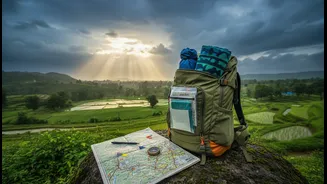
Before you book a single ticket, ask yourself: what is this trip for? A vacation's 'ritual' is its purpose. Are you seeking a spiritual journey, like visiting a pilgrimage site? Or is it about creating a family tradition, a yearly trip to the hills to escape
the city heat? Perhaps the ritual is solo-time for reflection, or an adrenaline-fuelled adventure with friends. Defining your intention is the first step. For some, the ritual could be as simple as an annual digital detox, reading a book by a window with a view of the rain, or exploring a new cuisine. Knowing your 'why' helps narrow down destinations and ensures the trip recharges you in the way you need it to. It transforms a simple break into a meaningful experience, whether you're in a serene Kerala backwater or the bustling streets of Udaipur.
Embrace the July Weather
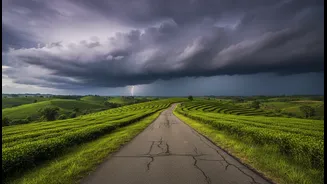
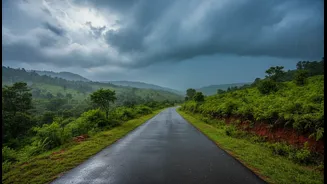
July in India is synonymous with the monsoon. Rather than seeing it as an obstacle, savvy travellers embrace it. The key is to choose your destination wisely. While heavy rainfall might make some coastal areas less ideal for beach activities, it transforms other regions into lush, green paradises. Hill stations like Coorg, Munnar, and Ooty become exceptionally beautiful, with mist-covered hills, vibrant tea plantations, and waterfalls at their peak. Similarly, places in Rajasthan like Udaipur see their lakes fill up and palaces gleam under dramatic monsoon skies, offering a romantic and less crowded experience. For those wanting to avoid rain altogether, high-altitude regions like Ladakh and Spiti Valley are perfect, as they are largely unaffected by the monsoon and offer clear skies ideal for trekking and road trips. Always check local weather forecasts before you go and pack accordingly with quick-drying clothes and waterproof gear.
Master Your Stay Budget
July is considered a shoulder season in many popular tourist spots, which can mean significant savings. With fewer crowds, hotels and homestays often offer attractive discounts. To make the most of your budget, plan and book your primary travel and accommodation in advance, as last-minute bookings can be more expensive. Create a simple budget broken down into categories: transport, accommodation, food, activities, and an emergency buffer of 10-15%. You can save considerably by opting for hostels, guesthouses, or homestays over luxury hotels. Eating at local eateries instead of tourist-centric restaurants is not only cheaper but also offers a more authentic culinary experience. Using public transport where feasible can also cut down on daily expenses. July is an excellent time to find value, allowing you to enjoy a fantastic getaway without breaking the bank.
Balance Rest and Movement
A great vacation leaves you feeling refreshed, not exhausted. The secret is finding the right rhythm between activity and relaxation. Don't overschedule your itinerary. Instead of packing every minute with sightseeing, build in downtime. Plan one major activity for the day—like a trek to a waterfall, exploring a fort, or a boat ride—and leave the rest of the day flexible. This allows for spontaneous discoveries and moments of genuine rest. 'Movement' doesn't always have to mean a strenuous hike; it can be a gentle walk through a coffee plantation, a cycling tour of a city, or kayaking on a lake. 'Rest' can be an afternoon nap, reading by the pool, or simply enjoying a cup of tea while watching the rain. By allowing for both planned adventures and unplanned stillness, you create a balanced experience that energises both body and mind.