







The Problem with Calorie Counting
A calorie is simply a unit of energy. While it's true that our bodies need energy to function, focusing only on calories is like judging a book by its cover. This approach treats all foods as equal, suggesting that 200 calories from a soft drink are the
same as 200 calories from a bowl of dal and vegetables. This couldn't be further from the truth. An obsession with calorie counting can lead to an unhealthy relationship with food and ignores the quality of what you're eating. A holistic approach that prioritises nutrient-rich foods is far more beneficial for long-term health, energy levels, and weight management.
Nutrient Density vs. Energy Density
A more helpful way to evaluate food is through the lens of nutrient density. Nutrient-dense foods are rich in vitamins, minerals, and other beneficial compounds relative to their calorie count. Think of fresh vegetables, fruits, whole grains, and lean proteins. In contrast, calorie-dense (or energy-dense) foods provide a lot of calories with very few nutrients. These are often highly processed items like sweets, fried snacks, and sugary drinks, sometimes called "empty calories". Choosing nutrient-dense foods ensures you get the most nourishment from every bite, helping you feel fuller and more energised.
The Power of Macronutrients
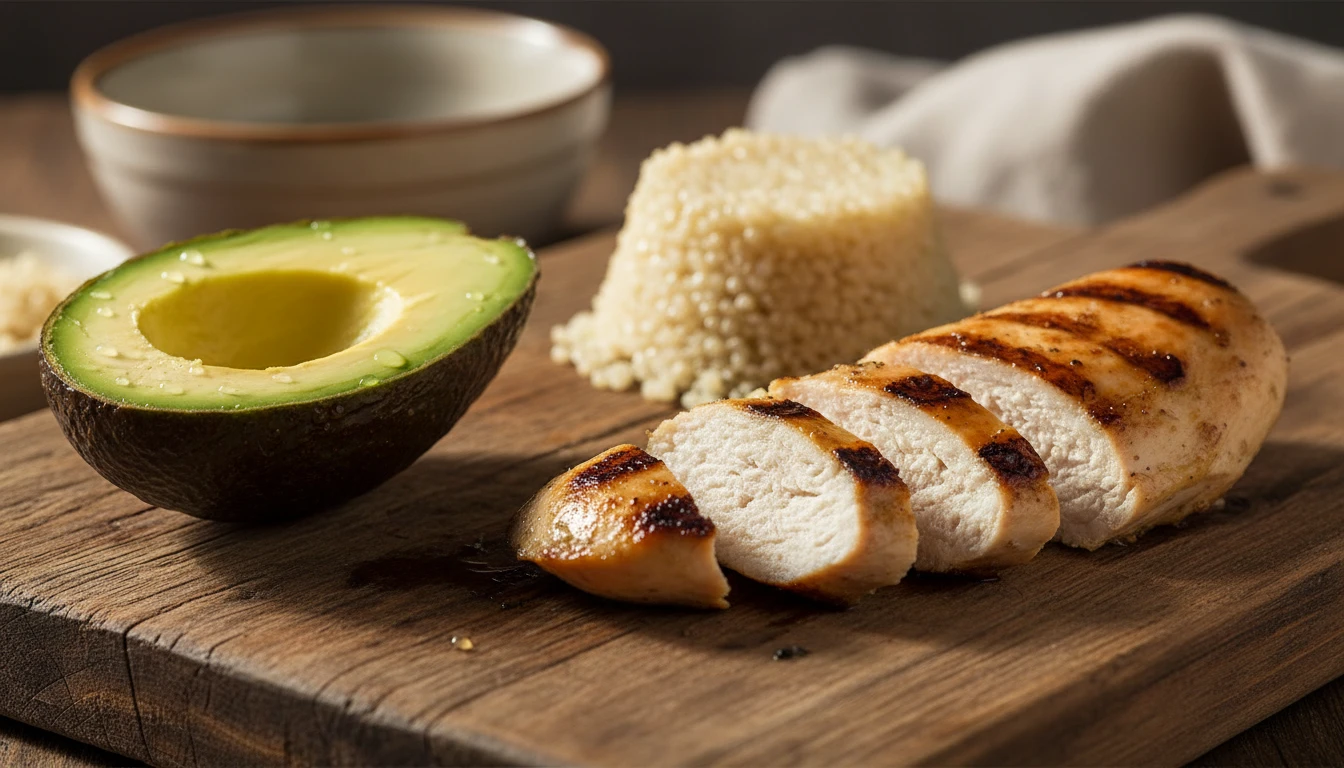
A truly complete meal has a healthy balance of the three macronutrients: protein, carbohydrates, and fats. Each plays a vital role. Protein is crucial for building and repairing tissues, supporting muscle health, and keeping you feeling full for longer. Carbohydrates are the body's main source of energy, but the type matters. Complex carbs from whole grains like roti, brown rice, and millets provide sustained energy. Healthy fats, found in nuts, seeds, and avocados, are essential for hormone function and absorbing certain vitamins. A balanced plate approach can help you get the right mix.
A Simple Plate Formula
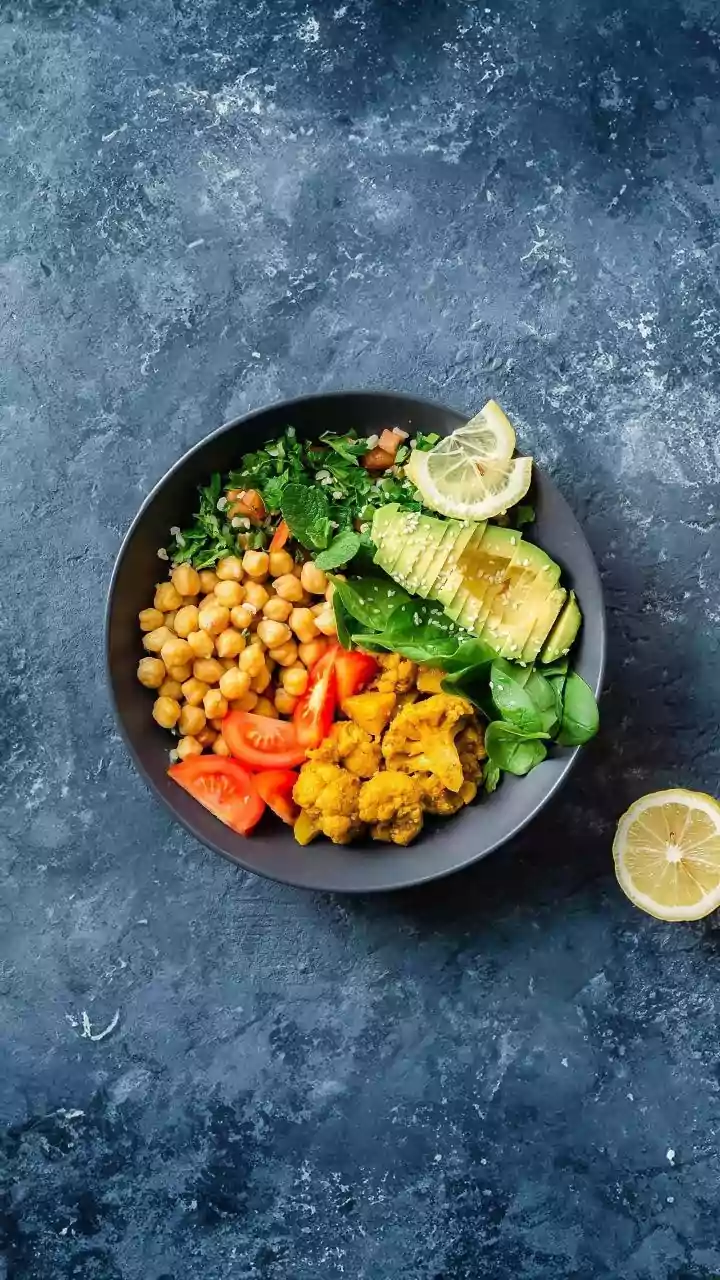
Visualising your plate is an easy way to build a balanced meal without complex calculations. A popular and effective method is the 50/25/25 rule. Fill half of your plate with non-starchy vegetables like spinach, broccoli, carrots, and bell peppers. These are packed with nutrients and fibre. One-quarter of your plate should be a source of lean protein, such as chicken, fish, paneer, tofu, or lentils. The final quarter should be dedicated to fibre-rich, complex carbohydrates like brown rice, quinoa, or whole-wheat chapatis. This simple formula ensures a good mix of all the essential food groups.
Don't Forget Micronutrients and Fibre
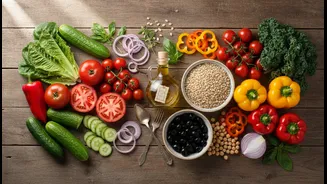
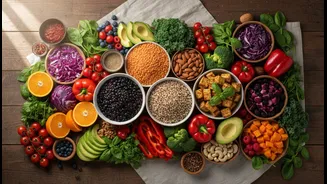
Beyond the big three macronutrients are the equally important micronutrients—vitamins and minerals. These are needed in smaller amounts but are critical for everything from immune function to bone health. Eating a wide variety of colourful fruits and vegetables is the best way to ensure you're getting a broad spectrum of these essential compounds. Fibre is another unsung hero. This indigestible carbohydrate aids digestion, helps control blood sugar levels, and contributes to a feeling of fullness. Sources like whole grains, beans, fruits, and vegetables are crucial for gut health and overall well-being.