






Prioritise Your Health and Hygiene
The monsoon is notorious for water-borne diseases like cholera, typhoid, and jaundice. Your first line of defence is clean water. Always boil water before drinking or use a reliable water purifier. Be extra cautious with street food, especially items
that may have been exposed to rain or contaminated water. Opt for freshly cooked, hot meals. At home, wash fruits and vegetables thoroughly, perhaps with a bit of salt or vinegar in the water, to remove germs and pesticides. It's also a great time to boost your immunity with a balanced diet rich in Vitamin C, found in citrus fruits and leafy greens. A simple bowl of hot soup can be both comforting and healthy.
Safeguard Your Home from the Elements
Your home is your sanctuary, so make sure it's monsoon-ready. Before the heavy rains set in, inspect your house for any potential issues. Check the roof and walls for cracks or leaks and get them repaired to prevent seepage and dampness, which can lead to mould growth. Clear out clogged drains and gutters on your roof or balcony to ensure rainwater flows away easily, preventing waterlogging. Protect your wooden furniture from swelling by keeping it away from damp walls. Also, ensure proper ventilation in all rooms to reduce humidity and prevent the musty smell that often accompanies the season.
Travel Smartly and Safely
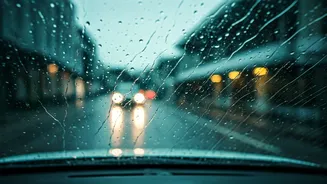
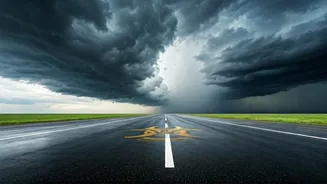
Navigating roads during the monsoon can be treacherous. If you're driving, ensure your car's essentials are in top condition: check your tyres for good grip, make sure your brakes are effective, and your wipers and headlights are working perfectly. Drive slowly and maintain a safe distance from the vehicle ahead, as wet roads increase stopping distances. Avoid driving through heavily waterlogged areas, as you can't see hidden potholes or open manholes. If you are walking, wear sturdy, non-slip footwear. Be extremely cautious of open drains and loose, dangling electrical wires. It’s always better to wait out a heavy downpour than to risk travelling in hazardous conditions.
Beware of Electrical Dangers
Water and electricity are a deadly combination. Electrocution is a serious and preventable risk during the monsoon. A cardinal rule is to never touch electrical switches, sockets, or appliances with wet hands. If you notice any sparks or exposed wires in or around your home, call an electrician immediately. Stay far away from downed power lines and report them to the local electricity board. Power fluctuations and surges are common, so consider using a surge protector for expensive electronics like your TV and computer. It's also wise to have an electrician check your home's earthing, as proper earthing can be a lifesaver.
Keep Pests and Germs at Bay
The monsoon is prime breeding season for mosquitoes, which carry diseases like dengue, malaria, and chikungunya. The most effective way to prevent them is to eliminate their breeding grounds. Do not allow water to stagnate in coolers, flower pots, old tyres, or any open containers around your home. Clear them out at least once a week. Use mosquito nets while sleeping and apply mosquito repellent when you step outdoors, especially during dawn and dusk. Keep your surroundings clean and dry to discourage insects and the growth of fungus and mould, which can trigger allergies and respiratory issues.
Build Your Monsoon Emergency Kit
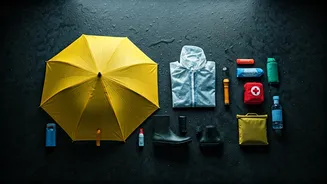
Power cuts and mobility issues are common during heavy rains, so it’s prudent to have an emergency kit ready. This simple preparation can make a huge difference. Your kit should include a powerful torch with extra batteries, a fully charged power bank for your mobile phone, and a basic first-aid box with antiseptics, bandages, and common medicines. Also, keep some packets of Oral Rehydration Solution (ORS) handy to combat dehydration from stomach infections. Store a small supply of non-perishable food like biscuits or energy bars and a few bottles of safe drinking water. Keep important documents in a waterproof bag or folder.