




The Green Wave in India's Tech Capital
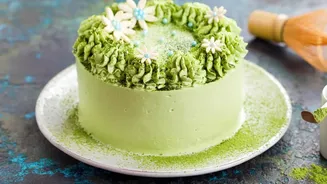
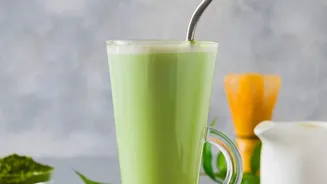
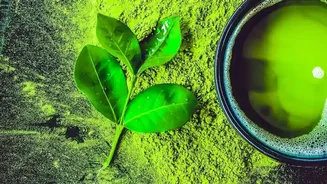
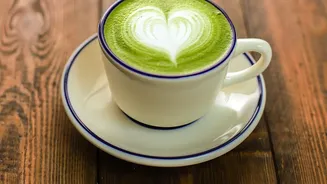
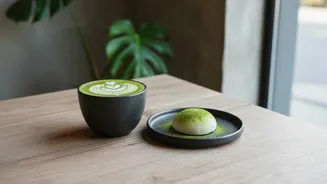
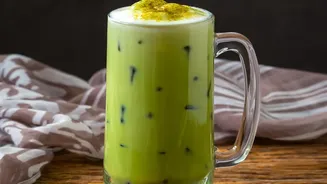
In neighbourhoods like Indiranagar and Koramangala, a new fixture has appeared on cafe menus, standing out with its vivid green hue: the matcha latte. Once a niche product found only in specialty stores, matcha is now a mainstream attraction. New cafes
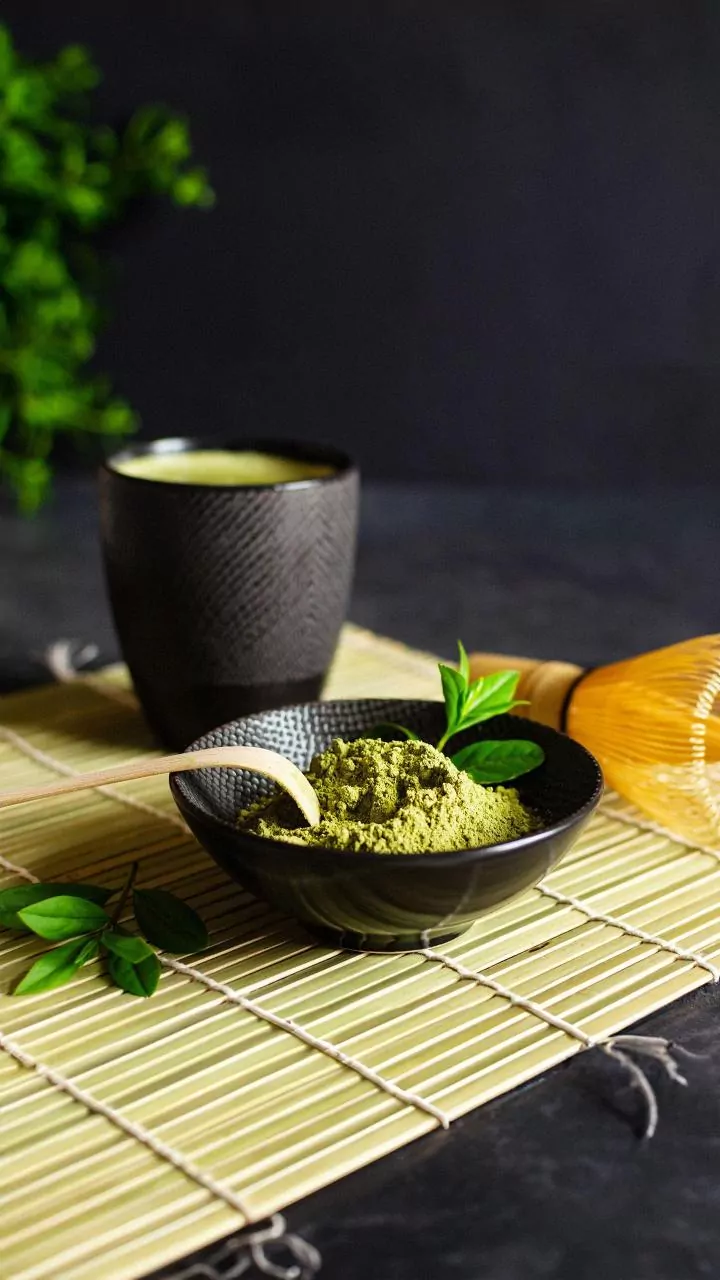
with names like Ela Matcha, Turtle Matcha, and Kaori have opened, dedicating their menus to the art of this Japanese powdered green tea. These spaces are often minimalist and design-led, offering a curated experience that feels worlds away from a traditional chai stall. This isn't just about trying a new drink; it’s about participating in a global trend. For many young professionals in India's tech hub, a city known for its early adoption of global trends, ordering a matcha is a statement. It signals an alignment with international wellness culture and a palate that is curious and willing to explore.
More Than a Drink: A Symbol of Wellness and Status
So, why matcha and why now? The primary driver is a growing consciousness around health and wellness, particularly among millennials and Gen Z. Matcha is celebrated for its high concentration of antioxidants and L-theanine, an amino acid known for promoting a state of calm focus. For a generation navigating high-pressure careers, it offers a healthier alternative to coffee and a more functional benefit than traditional tea. However, wellness is only part of the story. Its 'Instagrammable' nature plays a significant role; the bright green colour makes for visually appealing content, turning a simple beverage into a shareable lifestyle accessory. Furthermore, its high price point, a result of a labour-intensive cultivation and import process, adds a layer of aspirational status. In a city of high disposable incomes, it has become a subtle marker of sophistication.
From Chai Stalls to Tea Boutiques
Bengaluru’s matcha craze is a potent example of a much larger shift happening across India. The national specialty tea market has reportedly tripled to ₹1,000 crore in just five years, a surge driven by young, health-aware consumers. For decades, the Indian tea landscape was dominated by robust, milky masala chai. While chai remains the nation's undisputed comfort drink, a parallel culture of premium tea is rapidly emerging. This isn't about replacement, but expansion. Direct-to-consumer brands and e-commerce platforms have made a diverse range of teas accessible beyond the metros, reaching consumers in Tier-II and Tier-III cities. The post-pandemic era, in particular, has accelerated the demand for teas with perceived wellness benefits, moving them from a niche interest to a mainstream wellness product.
India's Expanding Tea Lexicon
Matcha may be the most visible trend, but it's not alone. Indian consumers are exploring a whole new vocabulary of tea. Single-origin Darjeeling and Assam teas, once primarily exported, are now finding a discerning domestic market. Artisanal brands are introducing Indians to the nuances of oolong, white tea, and caffeine-free herbal infusions like chamomile and hibiscus. Even traditional teas are being reimagined, with a renewed focus on high-quality loose leaves over tea bags and an appreciation for regional specialties like Nilgiri tea from the south and floral Kashmiri Kahwa. This exploration is supported by a burgeoning cafe culture where consumers can sample these varieties, from tea mocktails to cold brews, before committing to a purchase. This shift indicates that for many, tea is evolving from a simple daily ritual into a sophisticated hobby, much like specialty coffee did a decade ago.