
The Monsoon's Reluctant Retreat
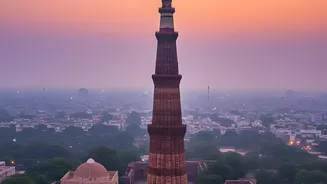
Traditionally, October marks the beginning of the peak tourist season in India, a time of crisp, clear skies after the monsoon has washed the subcontinent clean. The southwest monsoon typically starts its withdrawal from northwest India around mid-September.
However, this process is showing signs of change. In 2026, the withdrawal began only slightly behind schedule on September 19, but its progress has been uneven. A late-season depression in the Bay of Bengal kept the monsoon active over eastern, central, and southern India, holding the withdrawal line stationary for a period. While the India Meteorological Department (IMD) expects conditions to become favourable for withdrawal from most parts of the country by mid-October, the pattern of a delayed and lingering retreat is becoming a new norm, affecting the classic post-monsoon travel window.
Impact on Popular Holiday Hotspots
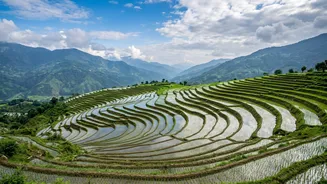
This shift has direct consequences for travellers eyeing popular destinations. For many, October is synonymous with a first trip to Goa's beaches as the season opens. While historical data suggests Goa becomes pleasant, lingering rains can mean more than the average 5-10 rainy days, impacting beach time and water sports. Similarly, the lush backwaters and green hills of Kerala and the Western Ghats in Karnataka might still experience significant rainfall. The IMD has forecast that southern peninsular states like Kerala, Karnataka, and Tamil Nadu will likely remain wet into the beginning of October. This could mean houseboat cruises are more about watching the rain than basking in the sun, and treks in places like Munnar or Coorg could be slippery and challenging.
The Practical Risks of a Wet Holiday
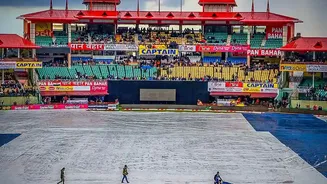
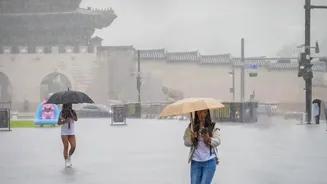
Beyond just a few cancelled plans, an extended monsoon brings practical travel challenges. Unpredictable heavy showers can lead to waterlogged roads, traffic snarls, and even landslides in hilly regions, making road trips hazardous. Flights and trains may face delays or cancellations due to poor weather conditions. Many travellers have already reported having to rethink their long-awaited holidays due to the unpredictable weather. The humidity remains high, and the constant dampness can be a nuisance. Instead of the idyllic, sun-drenched holiday you pictured, you might find yourself stuck indoors, waiting for a break in the clouds.
Safer Bets for Your October Escape
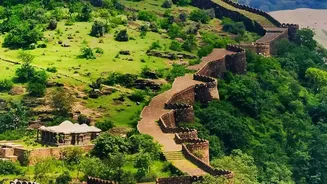
So, where can you go? The key is to head toward regions where the monsoon has made a cleaner exit. As of late September and early October, Northwest India is a much safer bet. This is the perfect time to explore Rajasthan, where the lakes have been replenished by the rains, but the scorching summer heat has subsided. Cities like Jaipur, Udaipur, and Jodhpur offer a rich cultural experience with pleasant daytime temperatures. Similarly, parts of North and Central India, like Madhya Pradesh, are clearing up, making it a good time to visit national parks like Bandhavgarh, which reopen for safaris. For those seeking mountain views without the landslide risk, the high-altitude desert of Ladakh remains an excellent option, as it lies in a rain shadow area.
A Smart Traveller's Checklist for 2026
A changing climate doesn't mean you have to cancel your holiday, but it does require smarter planning. First, check the latest forecasts from reliable sources like the IMD right up until your departure date. When booking, prioritize flexibility. Opt for refundable flights and hotel reservations that allow last-minute changes or cancellations without steep penalties. Travel insurance that covers weather-related disruptions is an increasingly wise investment. Pack for variability: include a lightweight raincoat, quick-drying clothes, and an extra pair of shoes. Finally, keep an open mind. If your primary destination looks risky, have a backup plan ready. Being prepared and flexible is the best way to ensure that no matter the weather, your October holiday is still a memorable one.