






The Foundation of Safe Travel Food
Before you even think about recipes, the first step is committing to clean handling. Food safety is paramount, especially when you're hours away from a proper kitchen. Start with the basics: wash your hands thoroughly with soap and water before and after
handling any food. If soap and water aren't available, a hand sanitiser with at least 60% alcohol is a suitable backup. Use clean, airtight, and leak-proof containers to prevent spills and cross-contamination. It's crucial to keep raw foods, like uncooked meats, separate from ready-to-eat items. Packing these items at the bottom of a cooler can prevent any accidental drips from contaminating other foods.
Mastering the Temperature 'Danger Zone'
The single biggest threat to your travel food is the 'temperature danger zone'. This is the range between 40°F (about 5°C) and 140°F (about 60°C), where bacteria can multiply rapidly, sometimes doubling in as little as 20 minutes. Perishable food should not be left in this zone for more than two hours. If you're travelling in a hot climate where temperatures exceed 90°F (32°C), that window shrinks to just one hour. To keep cold foods safe, pack them in a quality cooler with plenty of ice or frozen gel packs to maintain a temperature at or below 40°F. For best results, pre-chill your cooler and the food before packing. A full cooler stays cold longer than a partially empty one, so fill any extra space with more ice or non-perishable items.
Smart, Low-Mess Food Choices
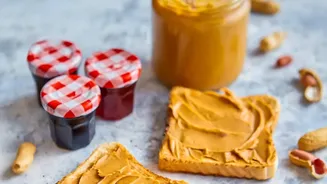
The best travel foods are delicious, nutritious, and don't create a mess in a moving vehicle or train compartment. Focus on dry and semi-dry items that are less prone to spoilage and spills. Excellent non-perishable options include roasted chickpeas, mixed nuts, granola bars, crackers, and jerky. For something more substantial, homemade meals like theplas, stuffed parathas, and lemon rice are classic Indian travel staples for a reason—they are designed to last for several hours without refrigeration. Sandwiches are also a great choice, but opt for fillings like peanut butter over mayonnaise-based salads, which spoil quickly. Whole fruits such as apples, bananas, and oranges are easy to handle and require no refrigeration.
Packing for Convenience and Safety
How you pack is almost as important as what you pack. A well-organised travel kit makes meal times smooth and safe. Arrange food in your cooler in structured layers. Place items you'll eat last at the bottom and the first meal on top to minimise the time the cooler stays open. Packing food in individual or meal-sized portions is also a smart strategy to reduce handling and keep things fresh. Use leak-proof containers for anything with even a hint of moisture. To be extra safe, you can double-wrap items in foil or plastic wrap before placing them in a container. Consider a separate, smaller cooler for drinks, as it will likely be opened more frequently.
What to Leave at Home
Just as important as knowing what to pack is knowing what to avoid. Steer clear of foods that spoil quickly or are difficult to eat on the go. This includes items with raw eggs, soft cheeses, and creamy dressings. Foods with strong odours, like certain pickles or fish, can be unpleasant for fellow passengers in an enclosed space like a train coach. Avoid packing liquid or semi-liquid curries and thin chutneys that can easily spill and create a mess. While delicious, fruits that bruise easily or have pits, like cherries, can be inconvenient unless you have a system for waste disposal. By making thoughtful choices, you ensure your journey is remembered for the sights you see, not the mess you made.