








The New Face of the Archive
Across the country, archivists are noticing a shift. The people walking through their doors—or, more often, logging into their digital collections—are increasingly from a generation raised on the internet. This isn’t just about students completing assignments.
Young people, particularly Gen Z, are diving into historical records for personal reasons, from tracing their family trees to understanding the roots of modern social justice movements. Research shows that this generation has a strong interest in history, especially when it connects to contemporary issues like racism and discrimination. They are not just passive consumers; they are actively mining the past to shape their identities and understand the world around them.
Digital Doors and Social Cues
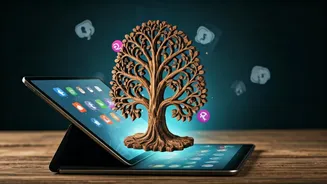
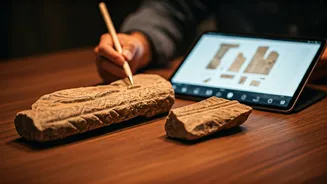
A major catalyst for this trend is technology. The digitization of vast collections has democratized access to primary sources, removing the traditional barriers of cost and travel. A young person in a small town can now examine Civil War-era letters or view historical photographs from their laptop. This has transformed a once solitary pursuit into a collaborative and accessible activity. Furthermore, social media platforms have become unexpected gateways to archival content. Genealogy and history have become popular topics on platforms like TikTok and Instagram, where users share their discoveries, crowdsource information, and connect with distant relatives. This online buzz makes historical research feel less like an academic chore and more like a vibrant, shared hobby.
A Search for Grounding and Identity
Why the sudden interest? For many young people, exploring the past is a way to find grounding in a rapidly changing world. Studies on Gen Z reveal a form of “historical nostalgia”—a longing for eras they never personally experienced. In a world of digital saturation, engaging with tangible history and offline hobbies can be a way to disconnect and foster mindfulness. This search is often deeply personal. Genealogy, once seen as a hobby for retirees, is booming among younger demographics. The process of uncovering family stories and understanding one's heritage helps young people craft their identities and feel connected to something larger than themselves. It provides context for their own lives and a bridge across generations.
More Than Just Famous Figures
Unlike previous generations of researchers who might have focused on major historical events and powerful figures, many young researchers are drawn to the stories of ordinary people. They are interested in social history, the experiences of marginalized communities, and the voices that have been excluded from traditional historical narratives. The digitization of personal letters, diaries, and community records allows for a more intimate and relatable connection to the past. This shift is also empowering, as it allows communities to participate in preserving their own stories. Young researchers are not just studying history; they are actively working to make it more complete and representative of everyone's lived experience.
The Archivist's Perspective
This youth movement presents both opportunities and challenges for the archivists who are the custodians of our collective memory. Many institutions are thrilled, developing new programs and digital tools to engage this curious new audience. Archivists are adapting their methods, preserving everything from social media posts to email correspondence to capture the full picture of our time. However, there are also new demands. There's a need to balance the push for digital access with the careful work of preservation. There are also important conversations about the ethics of access and the gaps that still exist in the historical record. Professionals are finding they must be educators as much as curators, guiding a new generation through the complexities of historical evidence.