

Weaving Nature into the Urban Fabric
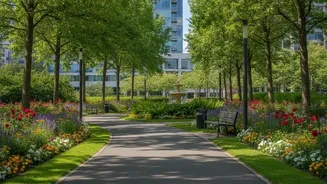
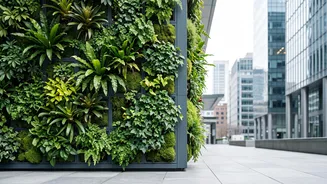
The idea that nature is good for us is not new, but modern cities are taking it to another level with 'biophilic design'. This approach is about intentionally integrating the natural world into our urban environments. It goes beyond simply planting a few
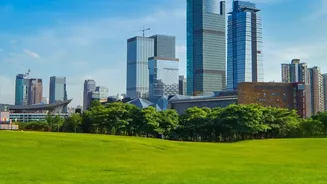
trees. Think of buildings with vertical gardens scaling their walls, green rooftops that cool entire buildings, and interconnected parks that serve as green lungs for the city. Access to green space has been consistently linked to improved mental health, reduced stress, and a greater sense of well-being. These spaces don't just help us relax; they actively improve our physical health by cleaning the air and reducing the 'urban heat island' effect, where dense concentrations of pavement and buildings trap heat. By making nature an essential part of city infrastructure, planners are creating environments that nurture both people and biodiversity.
The Rise of the 15-Minute City
Imagine being able to get to work, drop your kids at school, buy groceries, and see a doctor all within a 15-minute walk or bike ride from your home. This is the core concept of the '15-minute city,' an urban planning model gaining global traction. The goal is to move away from car-dependent sprawl and create compact, mixed-use neighbourhoods where daily life is lived locally. This design has profound health benefits. It naturally encourages active transportation like walking and cycling, which helps combat chronic diseases like obesity and heart conditions. Furthermore, it creates more opportunities for spontaneous social interaction, strengthening community ties and combating the urban loneliness epidemic. By making neighbourhoods self-sufficient and vibrant, the 15-minute city model aims to give residents back their most valuable commodity: time.
Designing for Movement, Not Just Motion
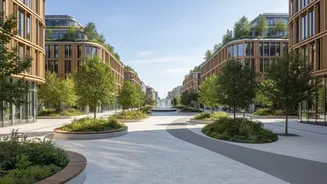
For decades, urban planning has prioritized the movement of cars, often at the expense of people. A healthier city flips that script by designing for active mobility. This means creating infrastructure that makes walking and cycling safe, convenient, and enjoyable. Wider, continuous footpaths, protected bicycle lanes separated from traffic, and pedestrian-priority zones are all key components. When people feel safe, they are more likely to choose to walk or cycle for short trips. This integration of physical activity into daily routines is a powerful public health tool. Beyond the physical benefits, walkable neighbourhoods are also linked to better mental health. The simple act of walking through your community increases social interactions and strengthens your sense of belonging.
A Breath of Fresh Air
Air pollution is one of the most significant health threats in urban areas, contributing to respiratory illnesses and other serious conditions. Health-centric cities tackle this problem at its source through smart design and policy. This includes creating Low Emission Zones (LEZs) that restrict high-polluting vehicles, expanding and electrifying public transportation, and investing in a robust network of air quality sensors to monitor pollution in real-time. Furthermore, increasing the city's green cover with trees and parks helps to naturally filter pollutants from the air. Strategies also involve promoting cleaner energy sources and better waste management to prevent open burning, which releases hazardous compounds. The cumulative effect of these actions is cleaner, safer air for all residents to breathe.