
The Problem with Older Batteries
For years, the electric vehicle world has relied on conventional lithium-ion (Li-ion) batteries, typically using Nickel Manganese Cobalt (NMC) chemistry. While they pack a lot of power into a small space, they have downsides. The materials, like cobalt
and nickel, are expensive and have volatile supply chains, driving up the cost of the battery, which can be 30-40% of a scooter's total price. More critically, these batteries have a risk of something called "thermal runaway." This is a dangerous chain reaction where a battery cell overheats, potentially leading to fires or explosions. This risk means manufacturers have to build in complex and costly battery management and cooling systems to keep them operating safely.
A Safer Chemical Recipe: Enter LFP
A key player in the next generation of batteries is Lithium Iron Phosphate (LFP). LFP is a different type of lithium-ion battery that is fundamentally more stable and far less prone to overheating. This inherent safety is a game-changer. Because the risk of thermal runaway is so much lower, manufacturers can simplify the surrounding safety systems. LFP batteries also have another major advantage: they don’t use cobalt, a notoriously expensive and ethically fraught material. By switching to abundant and cheaper iron, the raw material cost of the battery drops significantly. This combination of enhanced safety and lower material cost is the one-two punch that is starting to reshape the market.
How Enhanced Safety Lowers Costs
The connection between a safer battery and a lower scooter price isn't just about cheaper raw materials. The cost savings cascade through the manufacturing and ownership cycle. Firstly, with inherently safer chemistry like LFP, the need for elaborate thermal management systems—like complex cooling and spacing materials—is reduced, simplifying the design and assembly of the battery pack. Secondly, for manufacturers, a safer product profile can lead to lower costs associated with liability, insurance, and regulatory compliance. Finally, LFP batteries boast a much longer lifespan, often handling two to four times more charge cycles than their NMC counterparts. For consumers, this translates to a lower total cost of ownership, as the expensive battery pack won't need replacement for many more years, if at all, during the scooter's lifetime.
The Payoff on the Showroom Floor
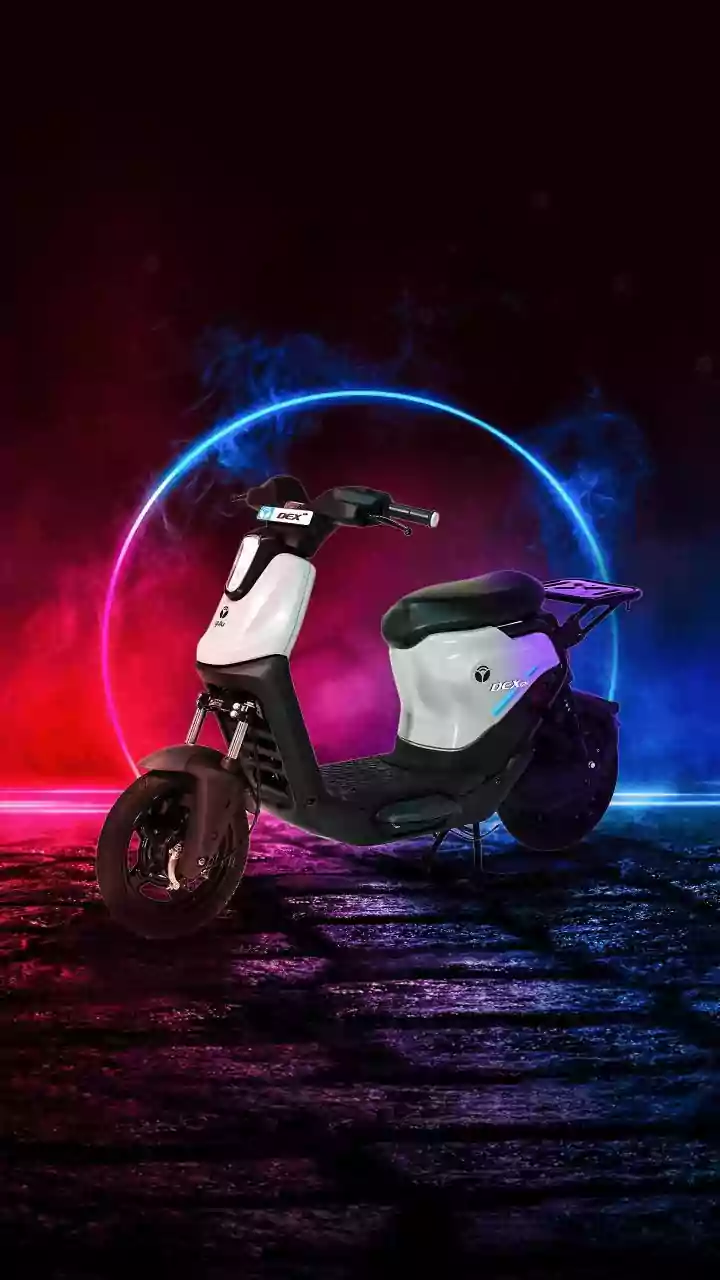
This shift is already visible in the Indian market. Several manufacturers are now offering entry-level and mid-range electric scooters powered by LFP batteries, allowing them to hit more aggressive price points. While premium performance models may still use high-density NMC batteries, LFP has become the technology of choice for making electric scooters accessible to a broader audience. This increased competition at the budget-friendly end of the market is forcing all players to innovate and manage costs, which ultimately benefits the consumer. Market trends show a clear move towards a wider range of prices, with some entry-level electric models becoming competitive with their petrol counterparts.
On the Horizon: Sodium-Ion and Solid-State
The evolution doesn't stop with LFP. The next wave of battery technology promises even greater safety and lower costs. Sodium-ion batteries, which replace lithium entirely with abundant and cheap sodium, are nearing commercial viability. While their energy density is currently lower than lithium-based cells, they are perfect for affordable, urban-focused scooters where a 100-150 km range is more than sufficient. Experts predict sodium-ion batteries will reach price parity with lithium-ion by the end of 2026, which could dramatically lower the entry-level cost for EVs. Even further out are solid-state batteries. These eliminate the flammable liquid electrolyte found in all current mainstream batteries, making them exceptionally safe and compact. Once their manufacturing costs are solved, they could revolutionize the market with faster charging, longer life, and ultimate peace of mind.