





The Zero-Waste Philosophy of Sandige
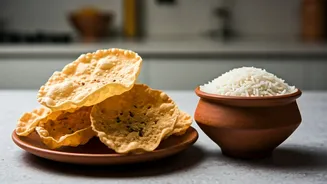
Before 'zero-waste' became a global trend, it was a way of life in countless Indian households. Grandmothers were the original masters of thrift, ensuring not a single grain was wasted. Sandige, also known as vadam or fryums in different parts of the country,
is a perfect embodiment of this philosophy. These are sun-dried fritters, traditionally made in large batches during the summer months and stored for the entire year. By using leftover cooked rice, you are not just making a snack; you are participating in a long-standing tradition of resourcefulness and respect for food. It’s a simple, effective way to reduce your kitchen waste and save money on store-bought snacks, all while creating something genuinely delicious.
What You Will Need
The beauty of this recipe lies in its simplicity. You don't need fancy equipment or exotic ingredients. Here's a basic list to get you started:
* **Leftover Cooked Rice:** About 2 cups. Any plain, unseasoned variety like Sona Masuri or basmati works well. The rice should be soft-cooked, not al dente.
* **Water:** As needed, to achieve the right consistency.
* **Salt:** To taste.
* **Spices:** This is where you can get creative. A classic combination includes 1 teaspoon of cumin seeds (jeera) and 2-3 green or red chillies, finely chopped or ground to a paste.
* **Asafoetida (Hing):** A pinch, for that authentic flavour and to aid digestion.
* **Optional Additions:** You can also add sesame seeds, chopped curry leaves, or a squeeze of lime juice for extra flavour.
Step-by-Step Guide to Making Rice Sandige
Follow these steps to transform your leftover rice into a crunchy delight.
**1. Prepare the Batter:** Take your leftover cooked rice in a blender jar. Add the chillies, salt, asafoetida, and a little water (start with about 1/4 cup). Blend everything into a smooth, thick paste. The consistency should be like a thick dosa batter—pourable but not runny. If it’s too thick, add a tablespoon of water at a time until you reach the desired texture. Transfer the batter to a bowl and stir in the cumin seeds.
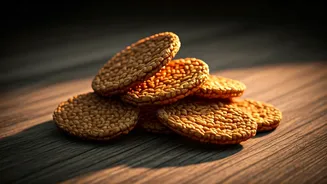
**2. Shape the Sandige:** This is the fun part. Traditionally, this is done on a clean cotton cloth or a plastic sheet laid out in the sun. Take a spoonful of the batter and pour small, coin-sized circles onto the sheet, leaving a little space between each one. You can also use a piping bag or a ziplock bag with a corner snipped off for more uniform shapes. Keep them small and thin, as this helps them dry faster and puff up better when fried.
**3. The Drying Process:** Drying is the most critical step. The traditional method is sun-drying. Place the sheet under direct, strong sunlight for 2-3 days, or until the sandige are completely dry, brittle, and peel off the sheet easily. If you don't have access to strong sunlight, you can use your oven. Set it to the lowest possible temperature (around 50-70°C) and place the sandige on a baking tray lined with parchment paper. Leave the oven door slightly ajar to allow moisture to escape and bake for several hours until completely dehydrated.
Frying and Storing Your Creation
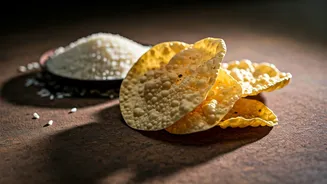
Once your sandige are bone-dry, they are ready for storage or frying. Heat oil in a kadai or pan over medium-high heat. To test if the oil is ready, drop a small piece of sandige in; it should sizzle and puff up immediately. Fry a few sandige at a time for just 2-3 seconds until they expand and turn a light golden brown. Don't overcrowd the pan. Quickly remove them with a slotted spoon and place them on a paper towel to drain excess oil.
For storage, keep the sun-dried, uncooked sandige in an airtight container. If stored correctly in a cool, dry place, they can last for over a year, giving you a ready supply of a homemade, preservative-free snack whenever you crave it.