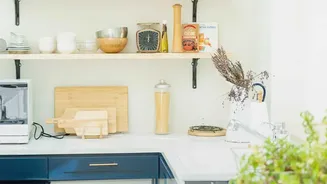







What Is a Weekly Kitchen Reset?
Forget deep cleaning or a complete pantry overhaul. A weekly kitchen reset is a simple, low-effort ritual to get your kitchen ready for the week ahead. It’s not about achieving perfection, but about restoring function and flow. This short, focused routine
involves clearing visual clutter, taking stock of what you have, and making small adjustments that make daily cooking less of a chore. Think of it as a mental fresh start that prevents tasks from piling up and reduces the stress of deciding what to cook each night. The goal is a kitchen that feels ready to be used, not one that needs to be fixed before you can even start. By dedicating a small amount of time once a week, you set yourself up for a calmer, more organized, and more efficient week of meals.
The Core Habit: Auditing Leftovers and Open Packs
The heart of an effective kitchen reset is looking at two things together: the containers of leftovers in your fridge and the half-used packets in your pantry. We often treat them separately, but their real power is unlocked when they are combined. Pull them all out onto the counter. This is your inventory. That small bowl of chana masala, the last bit of cooked rice, the half-packet of paneer, and the open bag of frozen peas are not individual problems to solve; they are the building blocks of your next few meals. Checking them together forces you to see connections you would otherwise miss. This audit turns forgotten items into opportunities, forming a bridge between what you have already cooked and what you plan to cook next. This process is the most effective way to combat food waste, which often happens when items are pushed to the back of the fridge or pantry and forgotten.
From Audit to Action: Your 'Use-It-Up' Meal Plan
Once you have your inventory, the next step is creative matchmaking. This is where you plan the first one or two days of your week’s meals specifically to use up these items. That leftover dal is perfect for kneading into a soft, nutritious dough for parathas. The bit of dry vegetable sabzi can become a delicious and quick filling for a toasted sandwich. Combine the last of the paneer with the frozen peas and a few spices for a quick bhurji. A handful of leftover rice can be transformed into flavourful masala rice or fried rice for a quick lunch. The goal is to create a 'use-it-up' plan that clears out the old before you introduce the new. This not only ensures nothing goes to waste but also significantly reduces the mental load of meal planning. Your first few meals of the week become pre-decided, saving you time and energy.
The Lasting Benefits of a Weekly Reset
Integrating this small habit into your weekly routine has an impact that goes far beyond a tidier kitchen. Firstly, it leads to significant savings. By using every last bit of the food you buy, you reduce your grocery bill and make your budget stretch further. Secondly, it is one of the most practical ways to reduce household food waste. With food waste being a major global issue, this simple practice is a meaningful contribution you can make from your own home. Finally, it simplifies your life. A weekly reset reduces decision fatigue—that feeling of being overwhelmed by the constant question of 'what's for dinner?'—and replaces it with a sense of calm and control. It makes cooking feel less like a daily struggle and more like a creative, enjoyable process.