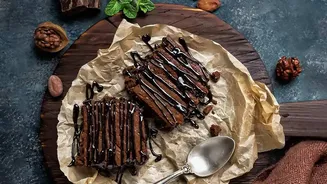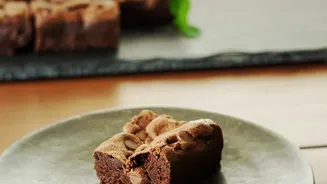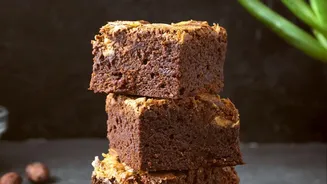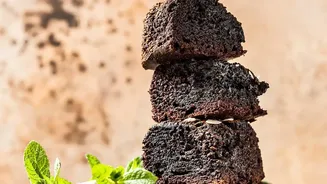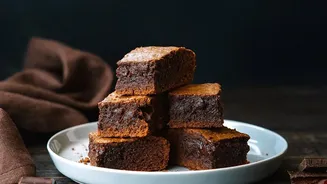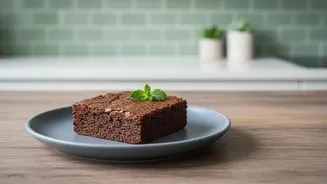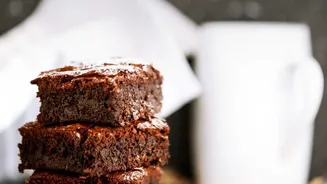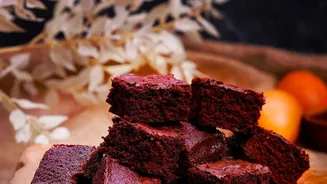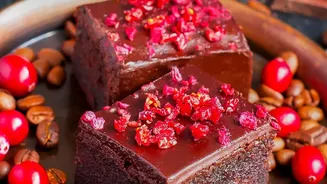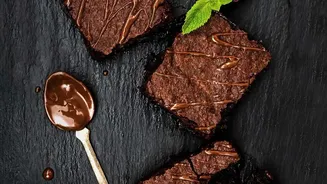



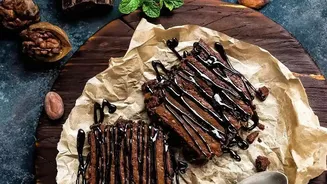

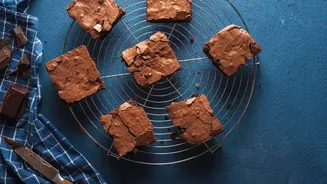
The Quest for Guilt-Free Indulgence
The modern dessert lover is often caught in a delicious dilemma: how to satisfy a sweet craving without compromising on health. Traditional brownies, while undeniably delicious, are typically made with refined all-purpose flour (maida) and a significant
amount of sugar, offering little nutritional value. This has sent bakers and pastry chefs on a mission to reinvent classic treats. The goal is no longer just about taste, but about creating desserts with functional benefits. This is where ancient Indian grains like finger millet and sorghum step into the spotlight, transforming the humble brownie from a simple indulgence into a nutrient-dense powerhouse.
Meet the Nutritional Superstars: Ragi and Jowar
Finger millet, or ragi, and sorghum, known as jowar, are not new to Indian kitchens, but their application in modern pastry is a game-changer. Ragi is celebrated for its exceptional calcium content—reportedly having three times more calcium than milk—and is also a great source of iron, dietary fibre, and essential amino acids. Its dark, reddish hue and distinct earthy flavour add a unique depth to chocolate-based desserts. Sorghum is another nutritional champion, rich in protein, fibre, and antioxidants. It has a mild, slightly sweet taste that blends seamlessly into baked goods. Both flours are naturally gluten-free, making them excellent choices for those with gluten sensitivities or anyone looking to diversify their grain intake.
The Baker's Challenge: Working Without Gluten
Simply swapping refined flour for millet flours isn't a straightforward process. The biggest challenge lies in the absence of gluten. Gluten is the protein in wheat that creates a stretchy network, trapping air and providing the classic chewy, elastic structure we associate with baked goods. Without it, bakes can turn out dense, dry, or crumbly. Millet flours also absorb more moisture than wheat flour, which can lead to a dry final product if not properly managed. Pastry chefs have developed specific techniques to overcome these hurdles and achieve that perfect fudgy brownie texture.
Chef's Secret #1: The Perfect Flour Blend
The key to a great texture is rarely a single type of flour. Chefs almost always use a blend. Using 100% ragi or jowar can result in a texture that is too dense or a flavour that is overpowering. A common strategy is to substitute only a portion of the traditional flour, perhaps starting with a 25-50% millet flour blend. To improve the structure and crumb, chefs often combine millet flours with other gluten-free alternatives like almond flour, oat flour, or tapioca starch. This combination approach balances the nutritional benefits of millets with the textural properties of other flours, creating a more harmonious result.
Chef's Secret #2: Boosting Moisture and Binding
To counteract the high absorbency of millet flours and replace the binding action of gluten, chefs incorporate specific ingredients to add moisture and structure. Ingredients like yogurt, mashed bananas, applesauce, or eggs are crucial. These not only provide the necessary liquid to hydrate the flour but also act as natural binders, holding the batter together. Healthy fats like ghee, butter, or even a neutral oil play a vital role in ensuring a moist, tender crumb and that signature fudgy mouthfeel. Some recipes even call for letting the batter rest for up to 30 minutes, allowing the millet flours to fully absorb the liquid before baking.
Chef's Secret #3: Harmonizing the Flavours
Finger millet has a unique, earthy taste that can be prominent. Rather than trying to mask it, chefs lean into it by pairing it with strong, complementary flavours. Dark chocolate is a natural partner, as its intensity balances ragi’s nuttiness perfectly. Adding a pinch of coffee powder or a splash of vanilla extract can further deepen the chocolate notes and round out the overall flavour profile. These thoughtful pairings ensure that the final brownie is complex and delicious, not just a healthier version of the original but a unique dessert in its own right.