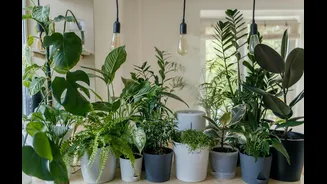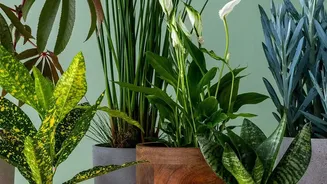




Wooden shelves offer a warm, rustic charm, but how you style them makes all the difference. While plastic figurines and static decor have their place, nothing breathes life into a space like the gentle cascade of a living, trailing plant.
Why Living Green Wins
Choosing a living
plant over a manufactured object is about more than just aesthetics; it's about introducing a dynamic, evolving element into your home. Plants literally and emotionally breathe life into a room, softening hard edges and connecting your space to the natural world. Studies have shown that even looking at plants can reduce stress and boost your mood. While high-quality artificial plants have improved, they cannot replicate the air-purifying benefits of real plants, which actively filter toxins and release oxygen. A trailing plant's dangling vines create a graceful 'waterfall' effect, drawing the eye downwards and adding a layer of lushness that static objects can't match. They are living sculptures that grow and change with you.
Golden Pothos (Epipremnum aureum)
Often called Money Plant in India, the Golden Pothos is arguably the easiest and most forgiving trailing plant for beginners. Its heart-shaped leaves, variegated with splashes of yellow, cascade beautifully over shelves. Pothos is incredibly adaptable, thriving in everything from low light to bright, indirect sunlight, though its variegation will be more pronounced with more light. It’s also tolerant of occasional neglect and bounces back well if you forget to water it. For the best look, water thoroughly when the top inch or two of soil feels dry, and let it drain completely. Its fast-growing nature means you’ll see those satisfying trails in no time.
String of Pearls (Senecio rowleyanus)
For a truly unique and delicate look, String of Pearls is an exceptional choice. This succulent features long, slender stems adorned with small, spherical leaves that look like a cascading strand of green beads. It's a statement plant that adds a touch of whimsy to any shelf. As a succulent, it requires bright, indirect light—an east-facing window with gentle morning sun is ideal. The biggest risk is overwatering, which leads to root rot. It's crucial to use a well-draining cactus or succulent mix and allow the soil to dry out completely between waterings. When you see the 'pearls' start to look slightly shrivelled or flat, it's a reliable sign that it's time for a drink.
Heartleaf Philodendron (Philodendron hederaceum)
Similar in appearance to Pothos, the Heartleaf Philodendron has distinctly softer, thinner, and perfectly heart-shaped leaves in a deep, glossy green. It is known for being extremely easy to grow and adapts well to the lower light conditions often found on indoor shelves. This plant's charm lies in its graceful, flowing vines that create a lush, romantic feel. It is wonderfully low-maintenance, preferring its soil to dry out slightly between waterings. Like Pothos, it is a fast grower and can be easily propagated in water to create new plants for other shelves or to share with friends.
English Ivy (Hedera helix)
With its classic, lobed leaves and vigorous growth, English Ivy offers a timeless and elegant look. It is a versatile plant that can be trained to climb or, more fittingly for shelves, trail gracefully over the sides of its pot. One of its key advantages is its preference for cooler temperatures and its tolerance for medium to low light, making it suitable for spots where other plants might struggle. Variegated types with white or cream markings will need brighter, indirect light to maintain their colouring. Keep the soil consistently moist but not waterlogged, and provide good air circulation to keep it healthy.
Styling Your Green Shelf
To create a visually appealing display, think about variety and balance. Mix trailing plants with upright ones, like a Snake Plant or ZZ Plant, to create contrast in shape and height. Play with different textures and foliage colours—the deep green of a Philodendron looks stunning next to the silvery speckles of a Satin Pothos (Scindapsus pictus). Grouping plants in odd numbers, like threes or fives, often feels more natural and less rigid. Finally, don't forget the pots. Choose containers in neutral tones to let the foliage be the star, or add a pop of colour with a bold planter as a statement piece.