






UPI: The Champion of Everyday Payments
Unified Payments Interface (UPI) has transformed how India transacts. Its biggest strength is its unparalleled convenience for small, frequent payments. Think of paying your local vegetable vendor, splitting a dinner bill with friends, or paying for your auto
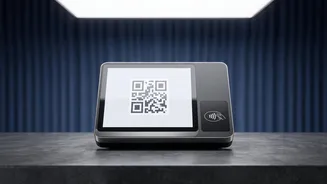
ride. The money is debited directly from your bank account in real-time, making it easy to track your spending. The process is instant, works 24/7, and is accepted almost everywhere, from tiny tea stalls to large supermarkets. You don't need to carry cash or worry about entering lengthy card details; a simple QR code scan is all it takes. For any peer-to-person transfer or small-value merchant payment, UPI's speed and simplicity are simply unbeatable.
Credit Cards: The Gateway to Rewards and Perks
This is where credit cards begin to show their true value. While some UPI apps offer occasional cashback, credit cards are designed around a system of rewards. Every rupee you spend can earn you reward points, air miles, or direct cashback. These rewards can accumulate to give you free flights, hotel stays, shopping vouchers, or simply reduce your monthly bill. Many cards offer accelerated rewards on specific categories like dining, groceries, or travel. Beyond points, credit cards also provide access to exclusive perks like complimentary airport lounge access, insurance coverage on purchases, and special discounts through partnerships with brands. If you are a disciplined user who pays your bill in full each month, using a credit card for planned expenses is a smart way to get more value out of your spending.
For Big-Ticket Items and EMIs
When it comes to purchasing an expensive item like a new smartphone, a laptop, or a home appliance, a credit card offers a crucial advantage: the ability to pay in Equated Monthly Instalments (EMIs). This allows you to break down a large purchase into manageable monthly payments, making it more affordable without draining your savings. This flexibility is something UPI does not offer, as it requires the full amount to be available in your bank account at the time of purchase. Furthermore, credit cards provide an interest-free credit period, typically up to 45-50 days, which can help with managing your monthly cash flow. You can make a purchase today and pay for it more than a month later, while your money stays in your bank account.
Building Your Financial Future: The Credit Score
Perhaps the most significant long-term benefit of a credit card is its role in building your credit history. Your credit score is a crucial number that lenders use to assess your creditworthiness for future loans, be it a home loan, car loan, or personal loan. UPI transactions, since they are direct bank debits, are not reported to credit bureaus and have no impact on your credit score. Responsible credit card usage—making regular purchases and always paying your bills on time—demonstrates to lenders that you can manage credit reliably. This builds a positive credit history over time, which can open doors to better financial opportunities in the future.
Security and Fraud Protection
Both UPI and credit cards have robust security features, such as PIN-based authentication. However, credit cards often provide an additional layer of consumer protection. If you are a victim of fraud or if a merchant sells you a faulty product, you can raise a dispute with your credit card issuer, a process known as a chargeback. This can make it easier to recover your money in disputed transactions. Since UPI payments are instant bank-to-bank transfers, reversing a transaction can be more complicated if sent to the wrong person or in case of a dispute with a merchant.
A Simple Strategy for Smart Spending
The debate isn't about choosing one over the other; it's about using both as complementary tools. A practical approach is to use UPI for your daily, small-ticket expenses and for sending money to people. This leverages its convenience and helps you keep a tight rein on your budget. For larger, planned purchases—like online shopping, travel bookings, and monthly utility bills—use a credit card. This strategy allows you to maximise rewards, benefit from purchase protection, and build a healthy credit score over time, provided you always pay your bill in full and on time.