

The Rise of High-Tech Crowd Management
Gone are the days of relying solely on barricades and manpower. Today, Indian authorities are increasingly turning to technology to manage massive congregations. At major events like the Kumbh Mela and Navratri celebrations in Mumbai, Artificial Intelligence
(AI) is a game-changer. Police and event managers use AI-powered cameras and drones to monitor crowd density in real-time. These systems can analyse video feeds to estimate crowd size, identify potential bottlenecks, and predict dangerous surges before they happen, allowing for timely intervention. For visitors, this means authorities have a bird's-eye view of the situation, enabling them to divert traffic, manage queues, and deploy personnel more effectively to prevent stampedes and ensure smoother movement.
What You'll See on the Ground
This tech-driven approach translates into several visible measures. At some temples, you might encounter digital queuing systems where you book a time slot via a QR code, drastically reducing waiting times and preventing overcrowding at gates. In addition to traditional barricades that channel movement, authorities often establish integrated command and control centres to coordinate various agencies, from police to medical services. For large-scale events, you'll also see a heavy presence of security personnel, volunteer groups, and quick-response teams stationed at strategic points. Public address systems are used for emergency announcements, and you may find medical tents and lost-and-found centres clearly signposted. These elements work together to create a more controlled and secure environment.
Planning Your Visit: Preparation is Key
A safe festival experience begins long before you arrive. Booking accommodation and travel months in advance is crucial, as the best options—especially those slightly away from the chaotic epicentres—fill up fast. Research the specific festival you plan to attend. Some celebrations, like Holi in certain towns, can be more intense than others. Consider opting for organized events at hotels or private venues, which offer a more controlled environment, especially for families or first-time visitors. When packing, prioritize comfort and safety. Wear modest, full-sleeved older clothes that can get stained, and comfortable shoes. Leave expensive jewelry and watches in your hotel safe.
Navigating the Crowds Safely
Once you're at the festival, situational awareness is your best tool. Upon arrival, identify the locations of exits, medical tents, and security posts. Stick with your group and establish a clear meeting point in case you get separated. Avoid being in the dead centre of a dense crowd where surges can be most powerful. If you feel the crowd getting uncomfortably tight, start moving toward the edges at an angle with the flow. A practical tip is to keep your arms bent in front of your chest, like a boxer, to protect your personal space and ensure you have room to breathe if squeezed. Stay hydrated, but be mindful of accepting drinks from strangers.
Health and Personal Belongings
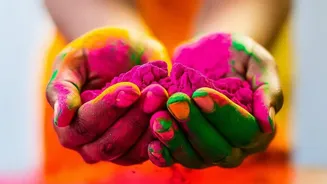
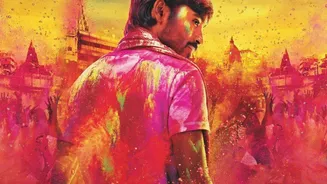
Festival environments can be overwhelming. To protect yourself during celebrations like Holi, apply coconut oil to your skin and hair to prevent colours from staining, and wear sunglasses to shield your eyes. Be cautious with street food; stick to busy stalls or eat at established restaurants to avoid an upset stomach. Keep your phone, wallet, and other valuables in a secure, anti-theft bag, not in your back pocket. It's also wise to carry a written note with emergency contacts separate from your phone. Finally, show respect for local customs. Dress modestly, especially at religious sites, and always ask for permission before taking photos of people during ceremonies.