






The Rise and Reign of Snail Mucin
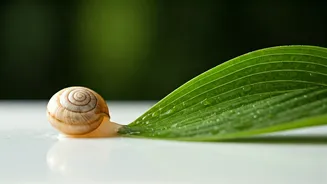
The Korean beauty wave brought with it a fascination for multi-step routines and exotic ingredients, with snail secretion filtrate leading the charge. It found a loyal following in India, praised for its unique, lightweight texture and its cocktail of
skin-friendly components like glycoproteins, hyaluronic acid, and glycolic acid. Serums and creams featuring high concentrations of snail mucin became go-to products for barrier repair, hydration, and fading the post-inflammatory hyperpigmentation common in Indian skin. For many, it was the perfect introduction to potent, active-led skincare that delivered visible results without significant irritation.
A Return to Botanical Roots
While snail mucin's popularity hasn't vanished, a powerful counter-movement is gaining momentum: a return to botanicals deeply rooted in Indian tradition. This isn't just about swapping one ingredient for another; it's a cultural homecoming. The Ayurvedic skincare market in India is experiencing remarkable growth, driven by a renewed appreciation for holistic wellness and a deep-seated trust in traditional ingredients. Consumers, particularly millennials and Gen Z, are embracing plant-based solutions that honour the 5,000-year-old science of Ayurveda, seeing it as both authentic and effective.
Meet the New Plant-Powered Heroes
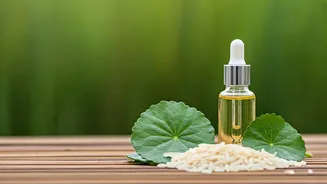
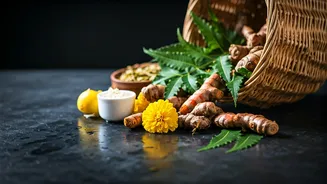
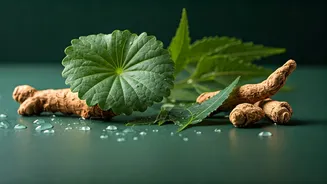
Several botanical ingredients are emerging as frontrunners. Cica, also known as Gotu Kola or Brahmi, has been used in Ayurvedic medicine for centuries and is celebrated for its soothing, anti-inflammatory, and healing properties. It's an effective answer to irritated, sensitive skin. Another star is Bakuchiol, an extract from the Babchi plant, which has been clinically shown to offer anti-aging benefits comparable to retinol—like reducing fine lines and improving firmness—but with significantly less irritation, making it ideal for sensitive skin. Timeless ingredients like turmeric, with its brightening and anti-inflammatory power, and ashwagandha, an adaptogen that helps skin combat stress, are also being formulated into modern, sophisticated products.
The Conscious Consumer: Clean and Cruelty-Free
Beyond performance, the shift is driven by ethical considerations. A growing number of Indian consumers are seeking out vegan and cruelty-free products. The harvesting of snail mucin, while often claimed to be harmless, exists in a grey area for many. Methods can range from allowing snails to crawl over mesh in controlled environments to using stressful stimuli to induce secretion. This ambiguity has led many to seek the certainty of plant-based alternatives. The demand for 'clean' beauty, free from potentially harmful synthetic chemicals, also aligns perfectly with the transparent, natural profile of botanical ingredients.
Modern Science Validates Ancient Wisdom
This trend is not about abandoning science for nostalgia. On the contrary, brands are now applying modern dermatological research and advanced extraction techniques to traditional ingredients. This fusion creates products that offer the best of both worlds: the trusted, holistic benefits of Ayurveda, backed by scientific evidence of their efficacy. Consumers are no longer choosing between 'natural' and 'effective'. They are demanding and getting both, with formulations that blend ingredients like turmeric with hyaluronic acid, or use advanced delivery systems for botanical extracts. This repositioning of Ayurveda as scientifically validated and luxurious is a key driver of its resurgence.