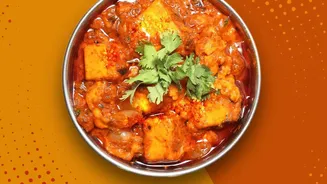


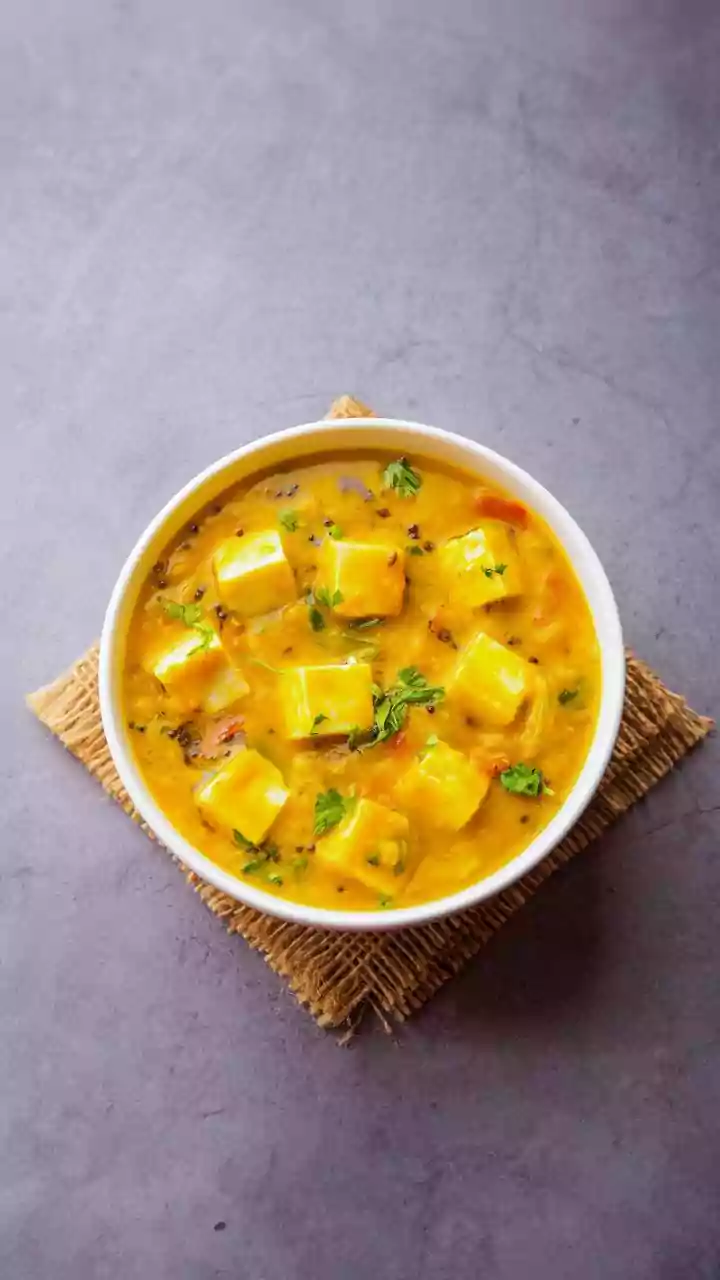




Ever wonder how restaurants churn out consistently delicious paneer dishes? The secret isn't a complex recipe for each dish, but a few master gravies. Mastering these simple bases unlocks a world of flavour, right in your own kitchen.
The Foundation: Onion-Tomato Masala
The backbone of countless
North Indian curries is the basic onion-tomato masala, often called 'bhuna masala'. Restaurants prepare this in large batches to streamline their cooking process, and you can do the same. The concept is simple: slowly sautéing onions until they are deeply browned and sweet, then adding ginger, garlic, and tomatoes and cooking the mixture until it thickens and the oil begins to separate from the paste. This slow cooking, or 'bhunao', is crucial for developing a deep, complex flavour that you can't get from quickly frying the ingredients. Once made, this base can be stored in the fridge for a week or frozen for months, ready to be transformed into a variety of dishes whenever you need a quick, flavourful meal.
The Classic Red Gravy (Makhani)
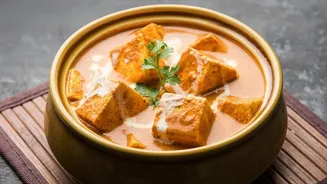
When you think of Paneer Butter Masala or Paneer Makhani, you're thinking of the iconic, velvety red gravy. This luxurious sauce gets its vibrant colour and tangy profile from ripe tomatoes and a touch of Kashmiri red chilli powder. Its signature creaminess, however, comes from blended cashews, which provide a rich texture without overpowering the other flavours. The process typically involves cooking tomatoes, cashews, ginger, and garlic with whole spices like bay leaves and cinnamon until soft. This mixture is then blended into a smooth purée. The final touches of butter, a hint of honey or sugar to balance the acidity of the tomatoes, and a swirl of cream create the indulgent, comforting gravy that is a universal favourite.
The Royal White Gravy (Shahi)
For milder, aromatic dishes like Shahi Paneer or Navratan Korma, the white gravy is essential. This Mughlai-style base is prized for its rich, creamy texture and delicate flavours. Unlike its tomato-based counterpart, this gravy gets its body from a paste of boiled onions and nuts, primarily cashews and sometimes almonds or melon seeds. Using boiled instead of fried onions helps maintain the pale, creamy colour. The gravy is typically seasoned with fragrant spices like green cardamom and white pepper, and often enriched with yogurt or cream. The result is a 'royal' (shahi) gravy that is subtly sweet, incredibly rich, and perfect for showcasing the soft texture of paneer.
The Vibrant Green Gravy (Palak)
The base for the beloved Palak Paneer, this green gravy is both healthy and delicious. The key is to preserve the vibrant colour of the spinach. The best method is to blanch the spinach leaves briefly in boiling water and then immediately plunge them into an ice bath. This process, known as shocking, stops the cooking and locks in the bright green hue. The blanched spinach is then pureed, often with green chillies and ginger, to form the base. This puree is added to a lightly sautéed mixture of onions, garlic, and tomatoes. A common mistake is overcooking the spinach puree, which can turn its colour dark and dull. Just a few minutes of simmering is enough to meld the flavours before adding the paneer cubes.
Tips for Restaurant-Style Perfection
Beyond the base gravies, a few professional touches can elevate your paneer dishes. First, consider lightly pan-frying your paneer cubes in a little oil or ghee before adding them to the gravy. This gives them a wonderful texture, a slightly crisp exterior, and helps them hold their shape. Second, don't underestimate the power of finishing ingredients. A final swirl of cream adds richness, but the real secret weapon for many chefs is a pinch of crushed kasuri methi (dried fenugreek leaves) added at the end. Rubbing the leaves between your palms before adding them releases their aromatic oils, imparting an authentic, smoky-sweet flavour that is quintessentially restaurant-style.