





What is a Caretaker Government?
In Israel's parliamentary system, when an election doesn't produce a clear winner or a government resigns, the outgoing administration doesn't just disappear. It stays on in a 'caretaker' capacity to ensure the country is never without a functioning executive
branch. According to Israel's Basic Law, this interim government continues to perform its functions until a new one is sworn in. While legally, a caretaker government holds all the powers of a regular one, court precedents have established that it must exercise those powers with restraint. This generally means avoiding major new policy initiatives or senior appointments unless there is a pressing national need.
Netanyahu's Role and Powers
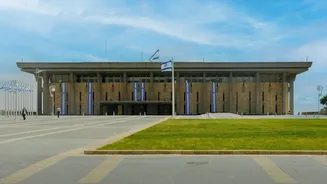
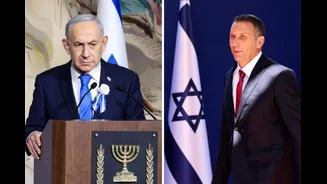
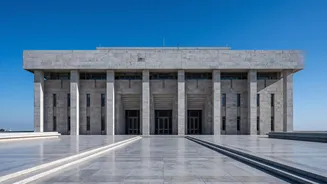
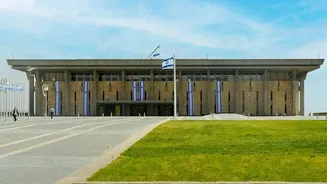
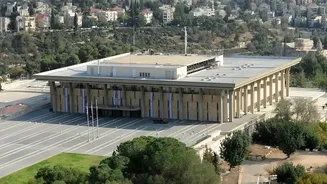
As caretaker prime minister, Benjamin Netanyahu is more than just a figurehead. He retains full authority over national security and the military. This is a significant power, allowing him to oversee security operations and respond to threats. However, his domestic powers face more constraints. For example, while he can still make some appointments and his cabinet can authorize military action, he cannot pass new legislation on his own to protect himself from his ongoing corruption trial. The newly elected parliament, or Knesset, where Netanyahu's opponents now hold a majority, can begin its own legislative work, potentially creating a complicated dynamic where the government and the legislature are at odds.
The Political Impasse Explained
The current gridlock stems from the October 27 election, which failed to give any single bloc the 61 seats needed for a majority in the 120-seat Knesset. Netanyahu's right-wing and religious bloc secured 53 seats, while a bloc of opposition parties led by former military chief Gadi Eisenkot won 48 seats. The kingmakers are the two Arab-led parties, which won a record 19 seats and have recommended Eisenkot for prime minister, giving the anti-Netanyahu bloc a 67-seat majority on paper. However, forming a government isn't just about simple math; deep ideological divides and campaign promises make building a stable coalition a formidable challenge.
Hurdles in Forming a Coalition
Gadi Eisenkot, who was formally tasked by the president to form a government, now has a 28-day window (with a possible 14-day extension) to build a coalition. The main hurdle is the reluctance of some Jewish-led opposition parties to form a government that relies on the support of Arab parties, despite their crucial numbers. Leaders like Avigdor Liberman have ruled out joining a government with Arab parties. This has forced Eisenkot's camp to also negotiate with ultra-Orthodox parties, which have their own set of demands, particularly regarding military service exemptions for yeshiva students. Meanwhile, Netanyahu has been calling for a 'national unity' government, an offer his rivals have dismissed as a political tactic.
What Happens Next?
The coming weeks are critical. If Eisenkot succeeds in bridging the gaps between these disparate factions, he can present his government to the Knesset for a vote of confidence. If he fails, the president could then give Netanyahu a chance to try and form a government. Should he also fail, a final 14-day period begins where any member of Knesset who can gather 61 signatures can attempt to form a government. If all these attempts come to nothing, the Knesset automatically dissolves, and Israel would be forced into yet another round of elections, with Netanyahu remaining as caretaker prime minister throughout the entire process.