
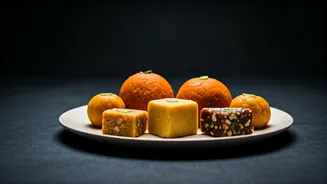


Beyond the Barfi: A Sweet Reinvention
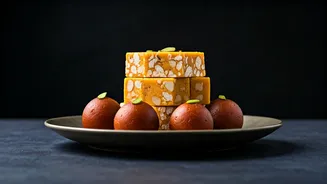
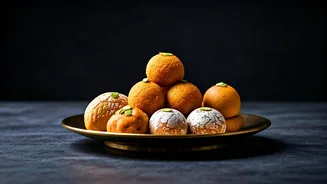
For generations, Indian sweets have been synonymous with festivals, celebrations, and comforting rituals. The humble laddoo, the decadent barfi, and the syrupy gulab jamun are edible heirlooms, often unchanged for decades. [15] But now, a culinary revolution
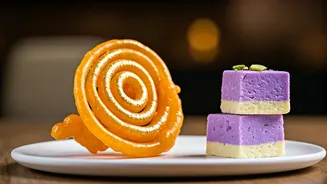
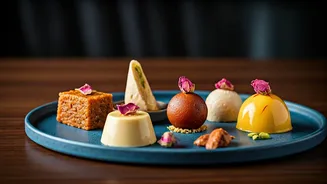
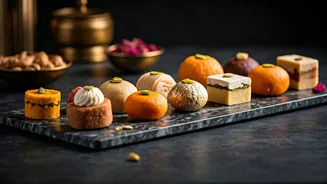
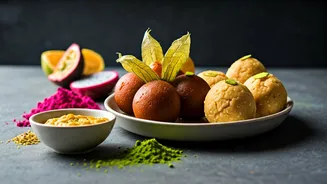
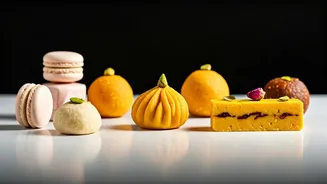
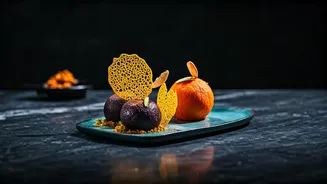
is underway. [7] A new league of chefs and artisanal sweet makers are transforming mithai from a traditional confection into a gourmet experience. [13] They are deconstructing classic recipes, infusing them with unexpected ingredients, and presenting them with a theatricality that’s custom-made for the Instagram age. [3] This isn't about replacing nostalgia; it's about building a bridge from the neighbourhood halwai's counter to a modern, global palate. [15] Think less about uniform squares in a cardboard box and more about edible works of art that tell a story. [14]
The New Artisans and Their Dramatic Creations
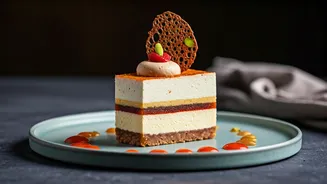
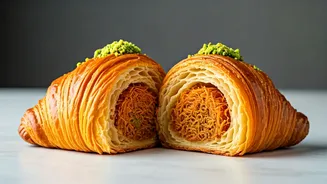
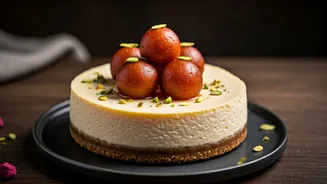
Across India, boutique brands are leading this charge. Mumbai's Bombay Sweet Shop reimagines childhood treats, offering creations like a Kaapi Paak (coffee-flavoured Mysore Pak) and Kaju Marzipan Bon Bons that merge classic mithai with a chocolatey twist. [3, 4] In Delhi, brands like Arq, Gur Chini, and Khoya are known for their refined approach, using premium ingredients and subtle new-age refinements. [5, 4] Arq offers delicate sweets that are less sugary and more flavour-focused, while Gur Chini gained fame for its luxurious creations like an Italian pistachio and gold varq laddoo. [11, 9] Chefs are also joining the movement, with names like Ajay Chopra launching brands such as Kshir & Canelé, which aims to fuse Indian mithai with French pastry techniques. [2, 7] The results are stunning: Gulab Jamun Churros, Rasmalai Tiramisu, and Thandai Cheesecake Entremets are just a few examples of this creative explosion. [3, 17, 12]
Instagram as the New Display Counter
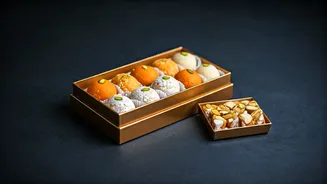
A key ingredient in this trend's success is its visual appeal. The 'drama' in these modern mithais—the vibrant colours, delicate garnishes, and innovative forms like parfaits and tarts—makes them incredibly photogenic. [3, 17] Social media feeds have become the new digital display counters, where the unboxing of a beautifully packaged mithai box is part of the experience. [14] Brands understand that today's consumers eat with their eyes first, and an 'Instagrammable' dessert is a powerful marketing tool. [6] This visual allure has helped propel artisanal mithai from a niche product to a mainstream desire, especially among younger, digitally-savvy audiences. The rise of these sweets online has created a renewed interest in mithai, ensuring that a new generation will have their own versions of beloved sweet makers to cherish. [3]
A Taste of Today's India
So why is this happening now? This evolution reflects a broader cultural shift. Today’s Indian consumer, exposed to global trends and flavours, wants the best of both worlds: the comfort of tradition and the excitement of the new. [12] They might crave the nostalgia of a laddoo but with the sophistication of a French dessert. [12, 15] This has led to a 'premiumisation' of sweets, where mithai is viewed more like fine chocolate—something to be savoured for its craftsmanship and quality ingredients. [12] There's also a growing health consciousness, with many brands offering sugar-free options, or using natural sweeteners like jaggery and dates. [9, 13] This trend isn't just about making mithai fancy; it's about reflecting the identity of a modern India—one that's proud of its heritage but also confident, curious, and globally connected. It’s a fusion of emotion and technique, where new classics are being born. [12]