



Understanding the 2026 Delta Aquariids
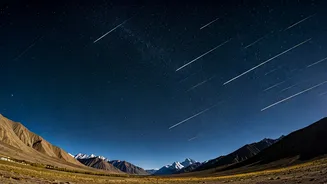
The Delta Aquariid meteor shower is an annual celestial event that streaks across the sky from mid-July to late August. In 2026, the shower will be active from July 18 to August 21. The predicted peak occurs on July 30, though the shower is known for
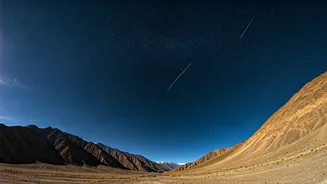
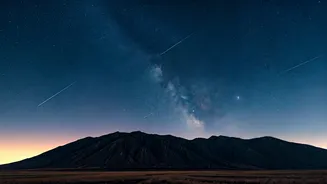
a steady rate rather than a dramatic peak. It's expected to produce about 15-20 meteors per hour under ideal conditions. However, there's a challenge this year: a nearly full moon on July 29 will brighten the sky, washing out the fainter meteors. For the best views, experts recommend watching in the pre-dawn, moon-free mornings in the week leading up to the peak, roughly from July 21 to July 26. These meteors are debris from comets Marsden and Kracht, and they appear to radiate from the constellation Aquarius.
Hanle: India's Dark Sky Paradise
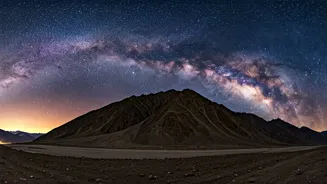
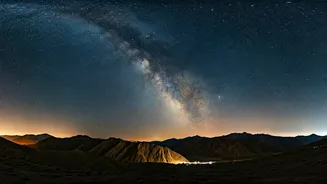
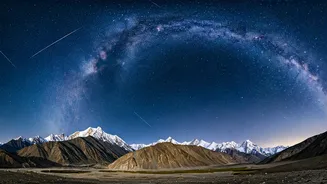
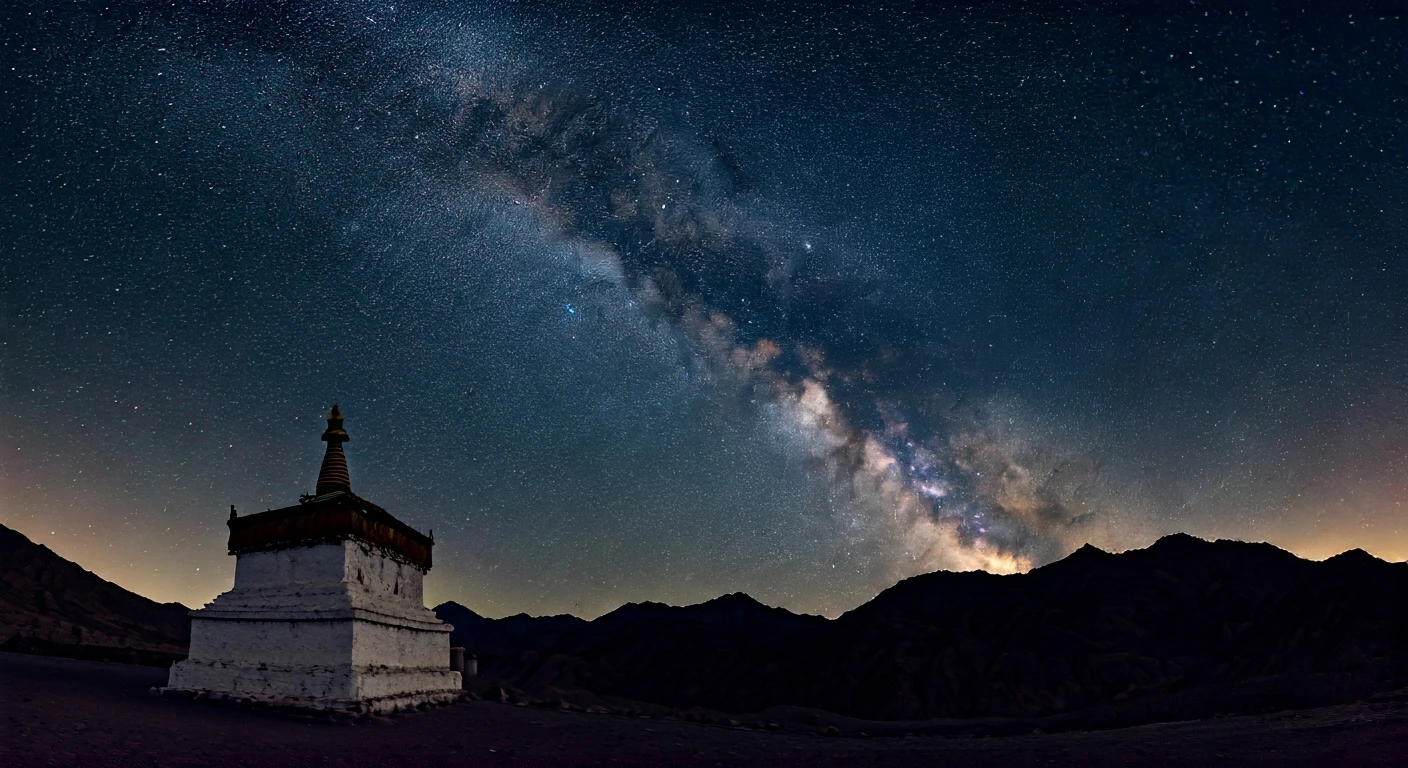
For the most pristine stargazing experience, look no further than Hanle. Located in the remote Changthang region, Hanle is home to India's first-ever Dark Sky Reserve, officially designated to protect its skies from light pollution. At an altitude of 4,500 meters, it hosts the Indian Astronomical Observatory, one of the highest in the world, testament to its exceptionally clear and dry atmospheric conditions. The lack of light pollution here is so profound that it offers a Bortle-1 classification—the darkest possible sky. This means the Milky Way is often visible in stunning detail to the naked eye. The local community is even trained in astro-tourism, with guides and telescopes available to enhance your experience.
Pangong Tso: Cosmic Reflections on Water
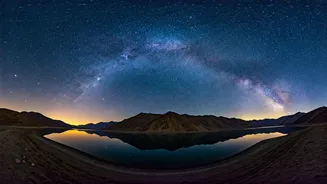
Imagine watching shooting stars not just in the sky, but also reflected in the crystal-clear water below. That's the magical experience offered at Pangong Tso. This iconic high-altitude lake, situated at 4,250 metres, provides a spectacular and surreal backdrop for any celestial event. The vast, open expanse around the lake ensures an unobstructed panoramic view of the heavens. On clear, calm nights, the reflection of the constellations creates a mesmerising, immersive experience. Its remote location keeps light pollution at a minimum, allowing the faint streaks of the Delta Aquariids to shine through. Camping near the lake (in designated areas) is a popular option for those wanting to spend the entire night under the stars.
Nubra Valley: Dunes Under a Starry Canopy
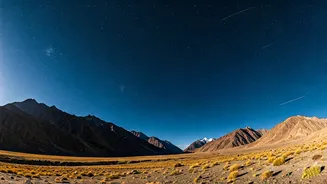
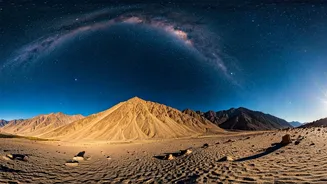
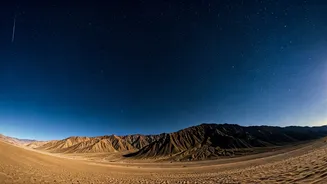
The Nubra Valley offers a truly unique landscape for meteor watching: high-altitude sand dunes against a backdrop of snow-capped mountains. The villages of Hunder and Diskit are excellent bases, with minimal artificial light to spoil the view. The valley's lower altitude compared to Hanle or Pangong makes it a slightly more comfortable option for those still acclimatizing. The contrast of the earthly desert with the cosmic display overhead makes for unforgettable memories and incredible astrophotography opportunities. The best views are typically found by venturing a short distance away from the main villages into the open expanse of the dunes.
Tso Moriri: A Secluded Celestial Theatre
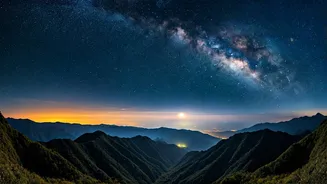
If seclusion is what you seek, Tso Moriri is your destination. Less frequented by tourists than Pangong Tso, this beautiful high-altitude lake offers a tranquil and deeply personal stargazing experience. Situated at an elevation of 4,530 meters, its isolation ensures an almost complete absence of light pollution, making the night sky incredibly dark and the stars exceptionally bright. The stillness of the area, combined with the vast, open sky, creates a natural theatre for the meteor shower. It’s an ideal spot for those who want to feel truly connected with the cosmos, far from the hustle and bustle of more popular tourist spots.
Essential Tips for Your Meteor Watch
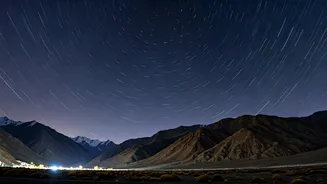
First and foremost, acclimatize. Ladakh's high altitude requires your body to adjust. Spend at least two full days resting in Leh (3,500m) before ascending to higher locations like Hanle or the high-altitude lakes. Drink plenty of water—at least 3-4 litres a day—and avoid alcohol. For viewing, dress in warm layers, as temperatures drop significantly at night, even in summer. Bring a reclining chair or a blanket to lie on for comfortable viewing. A red-light headlamp is crucial for preserving your night vision while checking your gear. If you're into photography, use a sturdy tripod, a wide-angle lens with a large aperture (f/2.8 or lower), and be prepared to take continuous long exposures (15-25 seconds) to increase your chances of capturing a meteor.