



What Exactly Is Immersive Dining?
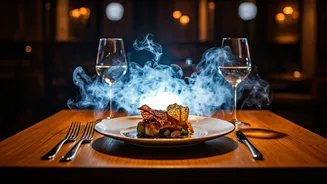
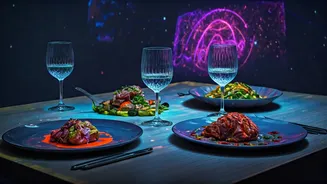
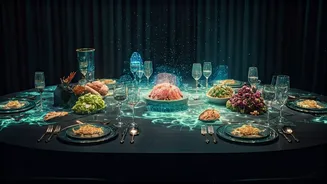
At its core, immersive dining is a fusion of gastronomy, entertainment, and technology. It transforms a meal into a holistic event designed to engage all the senses. Imagine dining while 3D projections turn your table into a vibrant landscape, or where
the music, lighting, and even scents in the room evolve with each course to tell a cohesive story. This isn't just about a beautifully decorated restaurant; it's about creating a narrative where the guest is an active participant, and the food is a key character. From theatrical performances that unfold between courses to interactive elements like puzzles and hands-on food preparation, the goal is to create a memorable, shareable moment that goes far beyond taste.
India's Culinary Stage Is Set
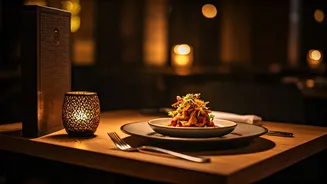
Across India's metros, this trend is taking firm hold. In Delhi, Dramique has positioned itself as the country's first theatrical culinary destination, where the menu and live performances are developed in unison. Here, a dish is designed to reflect the tempo and mood of the on-stage act, creating a seamless dialogue between food and drama. In Mumbai, Carnival by Trèsind presents food as a multi-sensory performance, with colourful, theatrical dishes that evoke the energy of a festival. Meanwhile, Bengaluru's Farmlore encourages guests to walk through its gardens and groves before sitting for a tasting menu that tells the story of the land. Even heritage properties are transforming, like the Taj Rambagh Palace in Jaipur, which hosted 'The Grain Awakening', a multi-sensory journey exploring ancient grains through spatial design, fragrance, and sound.
Why Dining Needed an Upgrade
The rise of immersive dining isn't just a gimmick; it's a response to a fundamental shift in what consumers want. In a post-pandemic world, diners are seeking more than just good food; they are craving unique, memorable experiences worth sharing. Hospitality experts note that rising disposable incomes and exposure to global trends have fuelled demand for these premium, lifestyle-led events. The 'experience economy' is in full swing, where the value is placed on the memory and the story, not just the product. For restaurants, offering an immersive concept is a powerful way to stand out in a competitive market, justifying a higher price point and building a loyal following that comes for the spectacle as much as the sustenance.
The Technology Behind the Magic
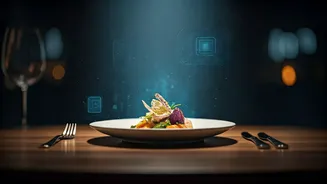
Technology is a key enabler of this new dining frontier. High-definition 3D projection mapping is one of the most popular tools, capable of turning plain white tables into anything from a blooming garden to an intergalactic voyage. The world-famous 'Le Petit Chef' experience, which has toured hotels in Delhi and Mumbai, uses this technology to feature a tiny animated chef who 'cooks' on your plate before the real dish is served, blending digital animation with gourmet food. Beyond visuals, curated soundscapes can influence taste perception—for example, higher-pitched sounds can enhance sweetness—while scent diffusers add another layer to the sensory journey. Some restaurants even use augmented reality (AR) to bring menus to life.
The Ultimate 'Flex'
This level of artistry and technology comes at a cost, positioning immersive dining firmly in the luxury category. These are not everyday meals but special occasion splurges. A seat at an immersive event is often a status symbol, a 'flex' that signals you are part of a cutting-edge cultural moment. It’s an experience designed to be captured and shared on social media, amplifying its exclusivity and desirability. As affluent consumers increasingly prioritize memorable moments over material goods, restaurants are betting that these elaborate, story-driven productions are the future of fine dining. It's a statement that a restaurant is not just a place to eat, but a destination for cultural entertainment.