





The Cardio-Centric Past
Not long ago, the primary fitness goal for many Indians was weight loss, and the undisputed king of workouts was cardio. Running, cycling, and brisk walking were seen as the most direct paths to shedding kilos. Gyms were often dominated by rows of treadmills
and ellipticals, with the weights section sometimes seen as an intimidating space reserved for serious bodybuilders. This approach, while beneficial for heart health and calorie burn, often overlooked a critical component of overall well-being: strength. The conversation was heavily skewed towards 'burning fat' rather than building a resilient, functional body.
The Rise of a New Strength
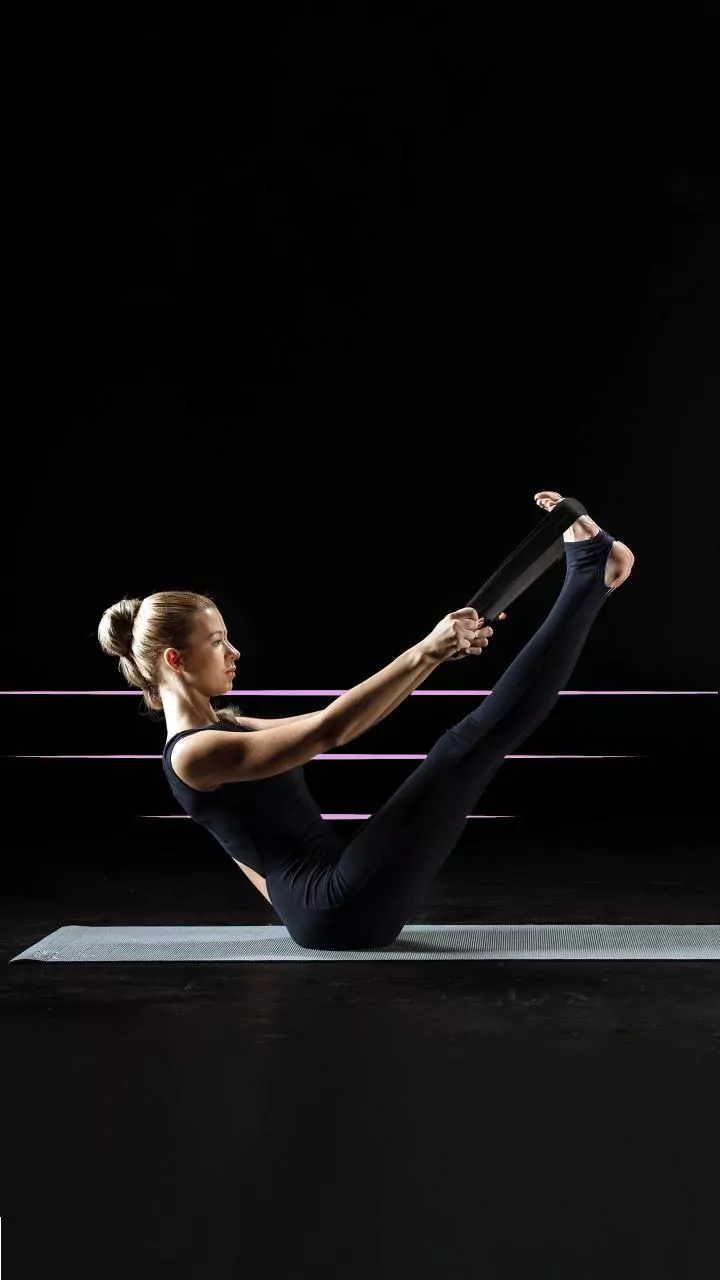
Today, a significant transformation is underway. The fitness conversation is moving beyond aesthetics and simple weight loss towards functional goals like mobility, injury prevention, and long-term health. This has sparked a surge in the popularity of strength training. More Indians are discovering the power of lifting weights, engaging in bodyweight exercises, and participating in high-intensity functional fitness programs like CrossFit. This isn't just a niche trend; boutique studios focusing on formats like HIIT, Pilates, and small-group training are the fastest-growing segment of the Indian fitness market. This signals a crucial shift towards personalised, community-driven experiences that prioritise building a strong foundation.
Why the Shift Is Happening Now
Several factors are driving this evolution. A growing awareness about lifestyle-related diseases, such as diabetes and hypertension, has prompted many to adopt a more preventive approach to health. Experts now emphasize that strength training is crucial for improving bone density, boosting metabolism, and ensuring better mobility and independence with age. Furthermore, global fitness trends and the rise of local fitness influencers on social media have demystified strength training, making it more accessible and aspirational for a broader audience, including women and older adults. The motivation is no longer just about looking a certain way, but about feeling strong, managing stress, and enhancing overall quality of life.
What a Balanced Routine Looks Like
So, what does this hybrid approach look like in practice? It's about synergy. Experts recommend combining 2-3 days of strength training with moderate cardio sessions. A typical week might involve a full-body strength workout on Monday, cardio on Tuesday, an upper-body focused strength day on Wednesday, more cardio on Thursday, and a lower-body session on Friday. The strength workouts often center on fundamental compound movements like squats, deadlifts, presses, and rows, which engage multiple muscle groups for maximum efficiency. This combination ensures you get the heart-pumping benefits of cardio while also building metabolically active muscle, which helps burn more calories even at rest.
The Holistic Benefits of a Hybrid Approach
Combining cardio and strength training offers the best of both worlds. Cardio strengthens your heart and lungs, improves stamina, and is a great tool for managing stress. Strength training builds lean muscle, which boosts your metabolism, strengthens bones, improves posture, and helps prevent injuries by making your joints more stable. Together, they create a comprehensive fitness plan that enhances not only your physical health but also your mental resilience and cognitive function. This balanced strategy leads to more sustainable fat loss, better body composition, and a higher level of overall fitness that makes daily activities, from climbing stairs to carrying groceries, feel easier.