



The Gut Health Obsession
The single biggest driver behind the fermentation craze is our growing understanding of gut health. For years, we were taught that bacteria were bad. Now, we know our bodies host trillions of good bacteria, collectively known as the gut microbiome, which
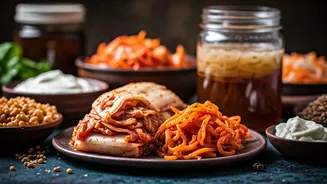
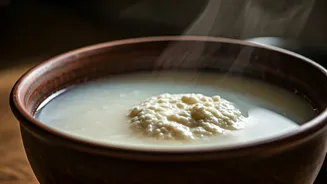
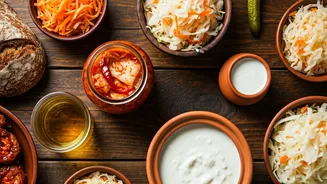
are vital for digestion, immunity, and even mental well-being. Fermented foods are nature’s original probiotics. The fermentation process, where microorganisms like yeast and bacteria break down sugars, creates a food teeming with these beneficial microbes. Foods like yoghurt (dahi), kefir, and kimchi deliver a live dose of good bacteria directly to your digestive system. In a world of processed foods that can disrupt our gut balance, many people are turning to these natural sources to restore it, hoping to improve everything from bloating to skin health.
A Return to Ancient Roots
While it may feel like a new wellness trend, fermentation is one of the oldest food preservation techniques known to humanity. Before refrigerators, our ancestors all over the world used fermentation to make food last longer and become more nutritious. In India, this tradition is deeply embedded in our culinary DNA. Think of the fluffy idlis and crisp dosas made from fermented rice and lentil batter, the vast array of regional pickles (achar) that are a staple in every home, or the fermented bamboo shoots (khorisa) in the Northeast. The current revival is less about discovering something new and more about rediscovering and appreciating the wisdom our grandparents took for granted. It's a way to reconnect with a slower, more natural way of eating that feels authentic and sustainable.
An Explosion of Complex Flavour
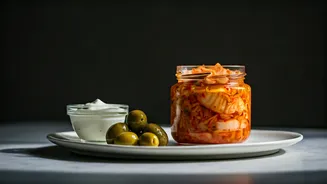
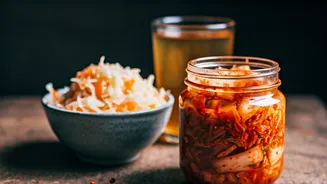
Beyond the health benefits, fermented foods are simply delicious. The fermentation process transforms simple ingredients, creating profound depths of flavour that are impossible to replicate artificially. It unlocks umami—the savoury 'fifth taste'—which makes food moreish and satisfying. Think of the funky, spicy punch of Korean kimchi, the earthy sourness of a good sourdough bread, or the rich complexity of Japanese miso. Chefs at high-end restaurants have embraced these ingredients to add a unique edge to their dishes, and the trend has trickled down to home cooks. People are tired of bland, one-dimensional flavours and are seeking out the bold, tangy, and complex taste profiles that only fermentation can provide. It's a culinary adventure that starts in a simple jar.
The Rise of DIY and Wellness Culture
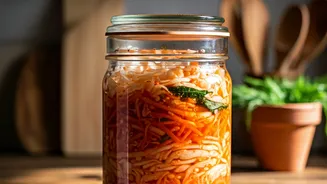
The modern wellness movement emphasises natural, whole foods and transparency about what we consume. Fermented foods fit this ethos perfectly. They often have simple, recognisable ingredient lists, and many are easy to make at home. The COVID-19 pandemic accelerated this trend, as people with more time on their hands turned to projects like baking sourdough bread or brewing their own kombucha. There's a deep sense of satisfaction that comes from nurturing a sourdough starter or watching a jar of vegetables bubble and transform into pickles. This DIY aspect demystifies the food-making process and gives people a sense of control over their health and diet, turning a simple meal into a mindful, rewarding practice.