




Beyond the Mat: Yoga's Ancient Roots
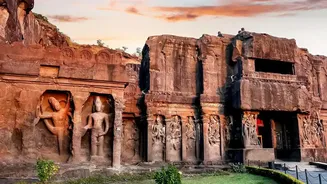
Long before it became a popular form of exercise, yoga was a comprehensive spiritual discipline originating in India thousands of years ago. The word 'yoga' itself comes from the Sanskrit root 'yuj', meaning 'to unite' or 'to yoke'. This union refers
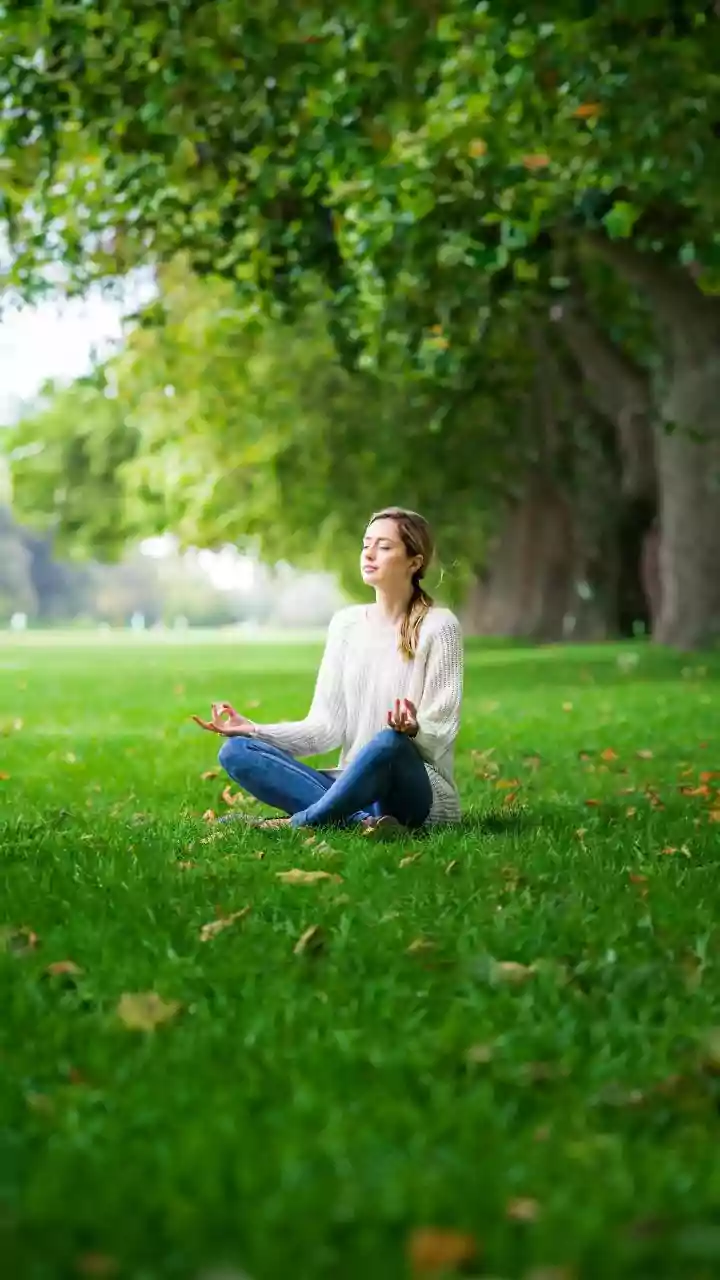
to the harmony between body and mind, and the ultimate connection of the individual consciousness with the universal. The philosophical bedrock of classical yoga was systemized around 2,000 years ago by the sage Patanjali in the Yoga Sutras. This collection of 196 concise aphorisms presents yoga not as a workout, but as a path to calm the fluctuations of the mind and achieve inner peace. This concept of mental discipline is the very essence of ancient mindful living.
The Eight-Limbed Path to a Mindful Life
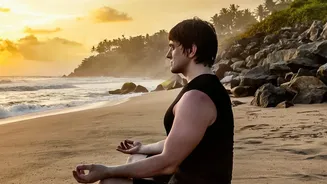
Patanjali's Yoga Sutras outline a structured eight-limbed path, known as Ashtanga, for leading a purposeful and spiritually aware life. Surprisingly for many modern practitioners, physical postures, or 'asanas', are only one of these eight limbs. The path begins with ethical principles for how we interact with the world (Yamas) and personal observances for self-discipline (Niyamas). These include concepts like non-violence, truthfulness, and contentment. Following this foundation are asana and pranayama (breath control), which prepare the body and steady the mind. The higher limbs—pratyahara (sense withdrawal), dharana (concentration), dhyana (meditation), and samadhi (enlightenment)—are all focused on training the mind for deep, mindful awareness and spiritual liberation.
A Bridge to the West
For centuries, yoga's intricate philosophy remained largely within the Indian subcontinent. The journey to the West began in earnest in the late 19th and early 20th centuries, primarily as a philosophical export. Swami Vivekananda, a key figure, introduced Hindu philosophy and the principles of Raja Yoga to a Western audience at the 1893 Parliament of Religions in Chicago. His focus was on the meditative and spiritual aspects, not the physical postures. Other gurus like Paramahansa Yogananda further popularised the meditative practices of Kriya Yoga in the 1920s. These early teachers built a bridge of understanding, presenting yoga as a universal path to self-realisation that resonated with those in the West seeking spiritual meaning.
The Rise of Modern Postural Yoga
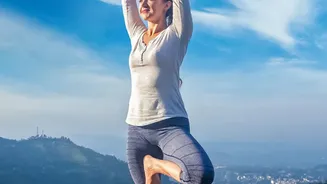
The 20th century saw a significant shift that made yoga a global physical practice. Influential teachers, many of whom were disciples of Tirumalai Krishnamacharya, known as the 'Father of Modern Yoga', placed a greater emphasis on asanas. Figures like B.K.S. Iyengar developed 'Iyengar Yoga', a method focusing on precise physical alignment, often using props to make postures accessible. K. Pattabhi Jois popularized the dynamic and physically demanding Ashtanga Vinyasa system. This new focus on the physical body was a departure from the more meditative traditions but made yoga incredibly accessible and appealing to a global audience interested in health and fitness. It was this adaptation that laid the groundwork for the modern yoga studio.
From Ancient Discipline to Global Lifestyle
Today, yoga has evolved into a multi-billion dollar global industry, encompassing everything from fitness classes and apparel to wellness tourism. While this commercialization can seem far removed from yoga's ascetic roots, it is still powered by the core principles of mindful living. Modern buzzwords like 'balance', 'well-being', and 'mindfulness' are essentially repackaged versions of ancient Indian concepts. The global lifestyle movement has embraced the physical practice as a gateway to these deeper benefits—using the postures and breathwork to find a sense of calm and centeredness in a hectic world. It's a testament to the enduring appeal of this ancient science, which has adapted across cultures and centuries while retaining its fundamental promise of uniting mind and body.