




Why Grill Your Vegetables?
Grilling does more than just cook vegetables; it transforms them. The high, direct heat caramelizes their natural sugars, creating a sweet, smoky flavour that you can't achieve by simply steaming or boiling. This char and intensification of flavour are
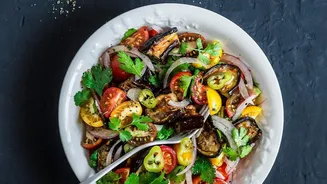
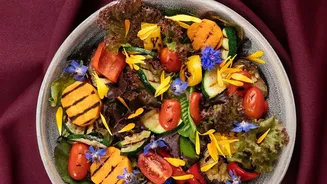
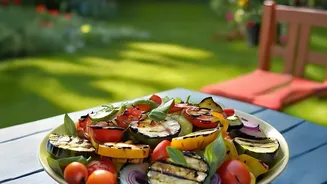
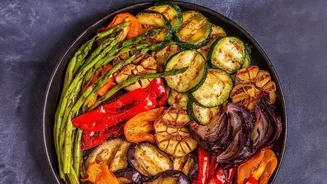
cornerstones of Mediterranean cooking, where simple, high-quality ingredients are allowed to shine. Grilled vegetables add not only incredible depth but also a pleasing texture that stands up well against crisp greens, creamy cheeses, and zesty dressings. Common sights on a Mediterranean grill include eggplant, zucchini, onions, and peppers, all kissed by flame before joining a salad. It’s a technique that adds layers of complexity with minimal fuss, turning a basic salad into a robust and hearty dish.
Choosing the Best Vegetables
While many vegetables are suitable for grilling, some are particularly well-suited for a Mediterranean salad. Look for vegetables that hold their shape and benefit from a bit of char. Classic choices include bell peppers (red, yellow, or orange), zucchini, summer squash, eggplant, and red onions. Cut them into large, manageable pieces to prevent them from falling through the grill grates. For example, slice zucchini and eggplant into long, thick planks, and quarter your onions, leaving the root end intact to hold the layers together. Asparagus spears, whole portobello mushrooms, and even cherry tomatoes on the skewer are also excellent options that add variety in flavour and texture.
Perfecting the Grilling Technique
The key to perfectly grilled vegetables is preparation and heat management. Start by tossing your cut vegetables in a bowl with a generous coating of extra virgin olive oil, salt, and pepper. You can also add dried herbs like oregano for more flavour. Heat your grill to a medium-high temperature. This allows for a good char on the outside without turning the inside to mush. Place the vegetables directly on the grates, ensuring they have enough space for heat to circulate. Grill for 3-5 minutes per side, or until you see distinct grill marks and the vegetables are tender-crisp. Onions and peppers may take slightly longer than softer vegetables like zucchini. Once cooked, remove them from the grill and let them cool slightly before chopping them into bite-sized pieces for your salad.
Building the Perfect Salad
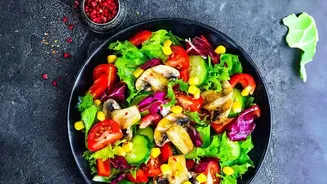
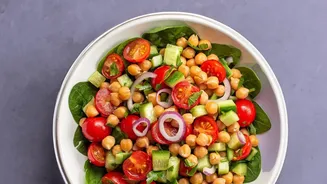
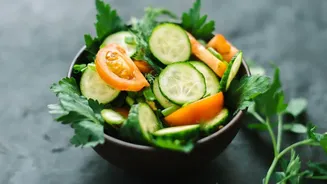
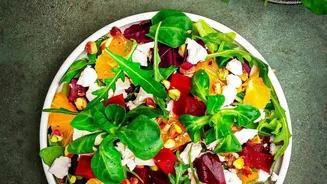
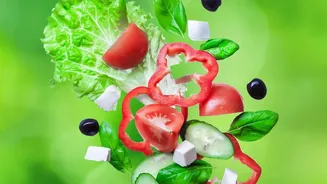
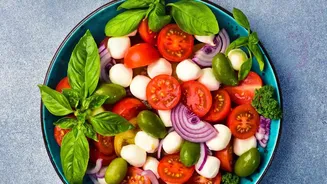
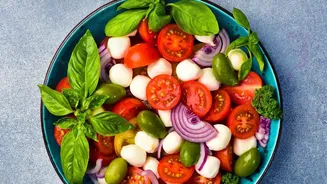
With your grilled vegetables ready, it’s time to assemble the salad. While many American-style salads start with lettuce, traditional Mediterranean salads often focus on a mix of chopped fresh vegetables. For a heartier base, consider adding cooked grains like quinoa or couscous, or legumes such as chickpeas. Fresh ingredients like chopped cucumbers, juicy tomatoes, and briny Kalamata olives provide a cool, crisp contrast to the warm, smoky vegetables. A handful of fresh herbs is essential for authentic flavour; parsley, dill, and mint are all excellent choices that bring a bright, aromatic quality to the dish. Finally, crumbled feta cheese adds a creamy, salty finish that ties everything together.
The Essential Mediterranean Vinaigrette
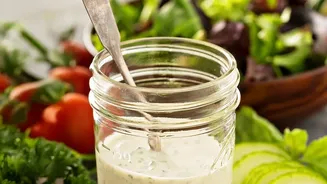
No Mediterranean salad is complete without a simple yet flavourful dressing. A classic vinaigrette is all you need, and it’s incredibly easy to make at home. The foundation is a good quality extra virgin olive oil. In a small jar or bowl, whisk together the olive oil with an acid like fresh lemon juice or red wine vinegar. A common ratio is about two or three parts oil to one part vinegar, but you can adjust this to your taste. Add a minced garlic clove, a teaspoon of dried oregano, a pinch of salt, and a crack of black pepper. For a touch of complexity, a small amount of Dijon mustard can help emulsify the dressing. Shake or whisk until well combined, then drizzle it over your salad just before serving.