





The Acidic Bath for Fruits
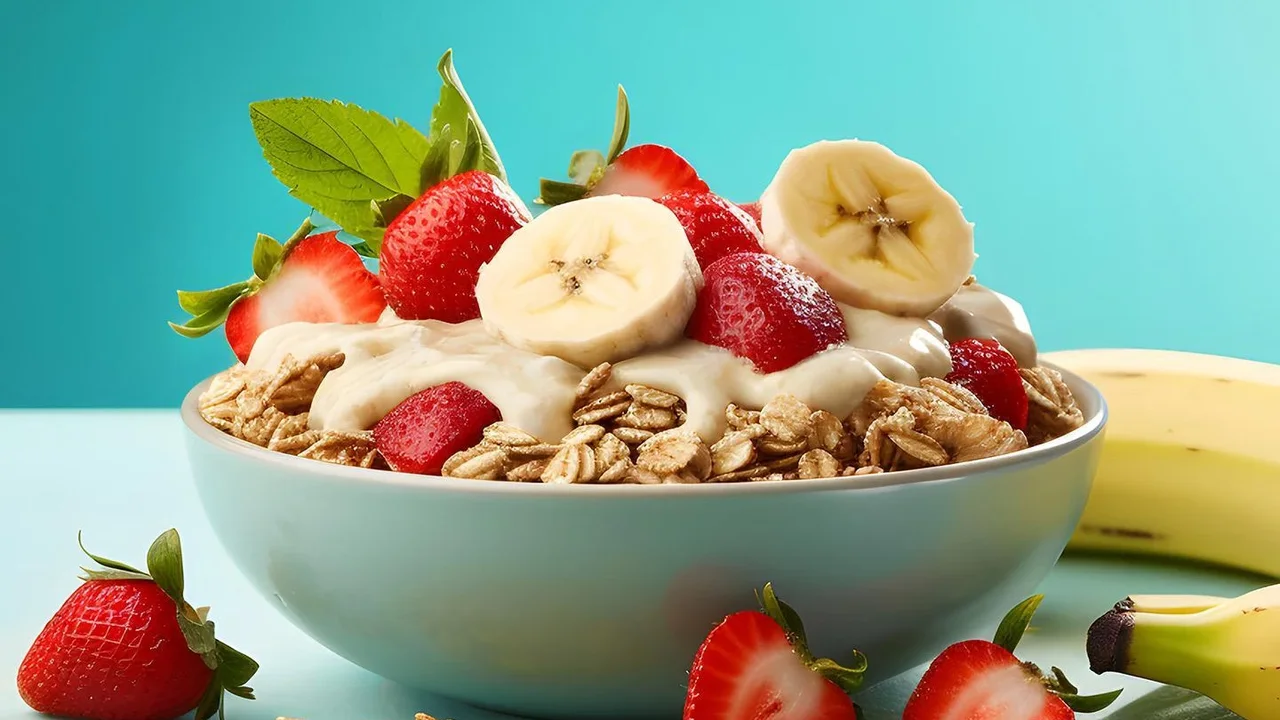
One of the biggest frustrations with cutting fruits like apples, pears, and bananas in advance is the unappetizing browning that occurs when they are exposed to air. This process is called enzymatic browning. To prevent this, an acidic bath is your best
friend. A simple solution of lemon juice and water is highly effective. Mix one tablespoon of lemon juice into a cup of cold water and briefly soak the cut fruit for a few minutes. The citric acid in the lemon juice slows down the oxidation process, keeping the fruit looking fresh. You can then pat them dry and store them in an airtight container in the fridge. For a different flavour profile, other citrus juices like orange or pineapple also work well.
Cold Water for Crisp Veggies
For root vegetables like carrots and radishes, as well as crunchy stems like celery, the key to maintaining their signature snap is hydration. After chopping, submerge these vegetables in a container of cold water before placing them in the fridge. This simple trick prevents them from drying out and becoming limp. For best results, it's a good idea to change the water every day or two. This method keeps them wonderfully crisp and ready to be used in salads, stir-fries, or as a quick snack. While you can use this technique for cut potatoes to prevent browning, they should be used within 24 hours.
Airtight is Always Right
An Indian fridge is often a treasure trove of flavours, but you don't want your chopped cucumber tasting like last night's garlic paste. Pungent items like cut onions and garlic should always be stored in a truly airtight container. This not only contains their strong odours but also prevents them from absorbing other smells. Glass containers are often better than plastic for this purpose, as plastic can absorb the smells over time. Airtight storage also slows down oxidation and moisture loss for all types of cut produce, preserving both freshness and vital nutrients. All cut produce should be refrigerated within a few hours of prepping.
The Paper Towel Trick for Greens
Leafy greens like spinach (palak), coriander (dhania), and mint (pudina) are delicate and prone to becoming slimy if stored with excess moisture. The solution is the paper towel trick. After washing and thoroughly drying your greens, store them in a container lined with a paper towel. You can also layer the cut greens between paper towels. The paper towel absorbs any excess moisture, which is the primary cause of rot and slime, while still maintaining a humid environment to prevent wilting. This method can extend the life of your prepped greens by several days, ensuring they are fresh for your dals, curries, and chutneys.
Strategic Separation of Produce
Not all fruits and vegetables play well together, even in the fridge. Some produce, known as ethylene producers, release a gas that accelerates the ripening (and spoiling) of other items. Common ethylene producers found in Indian kitchens include tomatoes, apples, bananas, and mangoes. Ethylene-sensitive items include carrots, broccoli, leafy greens, and cucumbers. For example, storing cut onions and tomatoes together is not ideal; the ethylene from the onions can make the tomatoes soften faster, while the moisture from tomatoes can spoil the onions. A good rule of thumb is to store cut fruits separately from vegetables to maximise the shelf life of both.
Handling High-Water Produce
Vegetables with high water content, such as cucumbers, bell peppers (capsicum), and tomatoes, can become mushy once cut. The key is to reduce surface moisture before storage. After chopping, gently pat the pieces dry with a paper towel to remove excess water. Then, store them in an airtight container, sometimes with a dry paper towel at the bottom to absorb any further condensation. It's important to note that once cut, a tomato's texture and flavour begin to degrade in the cold, so it's best to use cut tomatoes within a day or two for the best taste.