


The Sun's Rhythmic Cycle
Like a sleeping giant that tosses and turns, the Sun goes through a regular cycle of activity that lasts about 11 years. This rhythm swings between a quiet phase, known as solar minimum, and a turbulent peak called solar maximum. We are currently in Solar
Cycle 25, which has been ramping up faster and more intensely than originally predicted. During solar maximum, the Sun's surface becomes dotted with sunspots—dark, cooler areas driven by intense magnetic activity. It's from these sunspots that powerful solar events are born.
Flares, Eruptions, and Space Weather
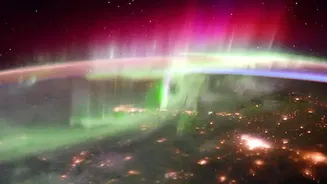
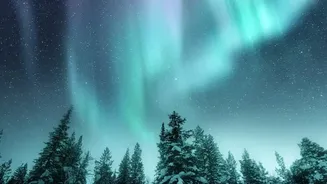
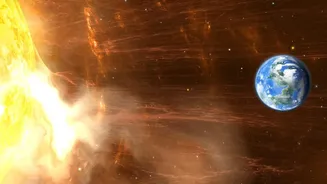
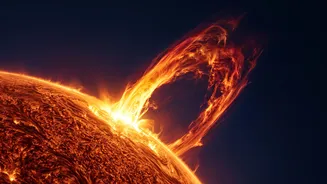
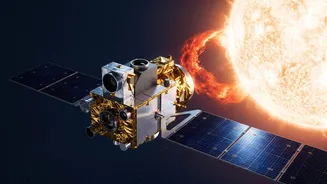
Two main types of solar eruptions have scientists' attention: solar flares and coronal mass ejections (CMEs). A solar flare is an enormous burst of energy and radiation, mostly X-rays and ultraviolet light, that travels at the speed of light and can reach Earth in just over eight minutes. CMEs are different; they are massive clouds of solar plasma and magnetic fields that are hurled into space, taking anywhere from 15 hours to several days to reach our planet. When these solar outpourings interact with Earth's magnetic field and atmosphere, they create what we call "space weather." While some effects are beautiful, like the stunning auroras that become visible at lower latitudes, others pose a significant threat.
A Modern World's Vulnerability
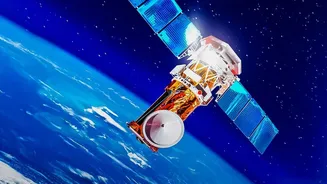
Our hyper-connected world is surprisingly susceptible to the sun's temper tantrums. A powerful geomagnetic storm, caused by a CME colliding with Earth's magnetic shield, can have serious consequences. It can induce extra electrical currents in power grids, potentially leading to widespread blackouts like the one that hit Quebec in 1989. The radiation can also damage the sensitive electronics on satellites, which are crucial for everything from GPS navigation and weather forecasting to television broadcasts. Radio communications, particularly high-frequency signals used by the aviation industry and emergency services, can be disrupted or completely blacked out. Even astronauts and passengers on high-altitude flights face increased radiation risks.
The Global Watchtower
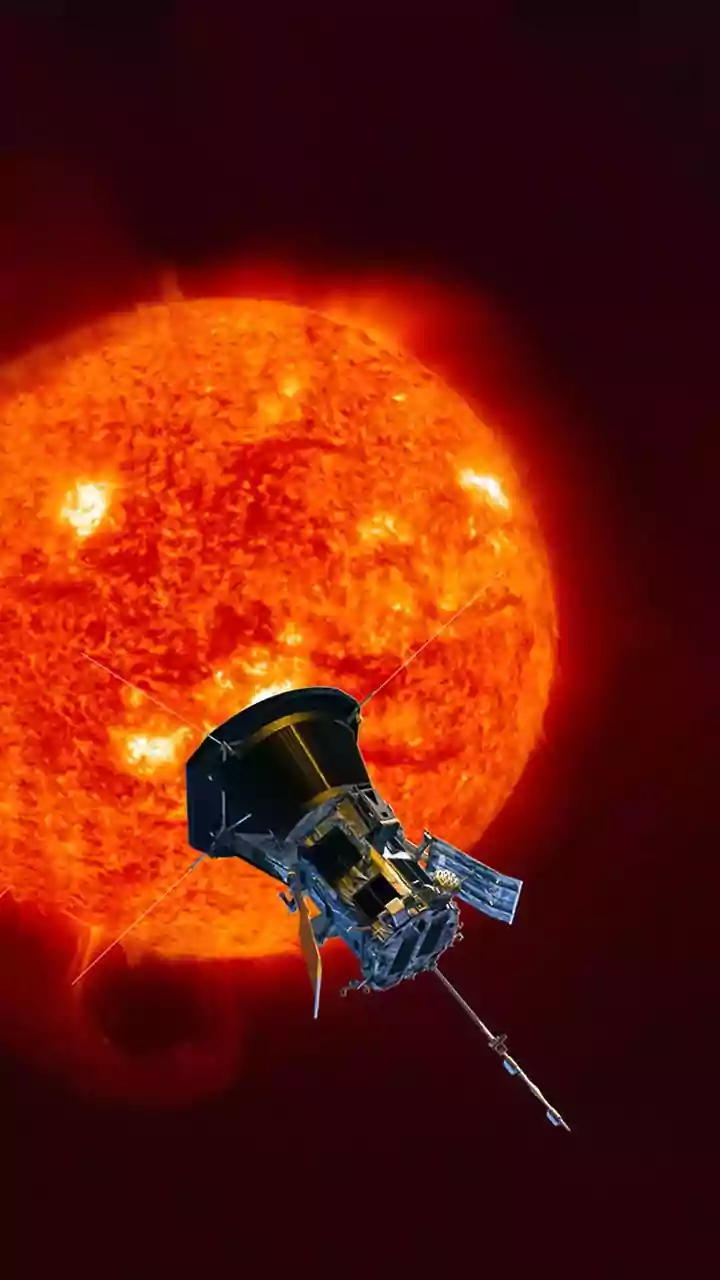
Given the stakes, a global network of scientists and agencies keeps a constant eye on the Sun. Organizations like NOAA's Space Weather Prediction Center (SWPC) and NASA use a fleet of satellites, such as the GOES series, to monitor solar activity. These instruments track X-ray flux from flares and observe CMEs as they leave the sun, providing crucial data for forecasting space weather. On the ground, changes in Earth's ionosphere caused by solar events are tracked by monitoring very low frequency (VLF) radio transmissions. This continuous observation allows for warnings and alerts to be issued, giving power grid operators, satellite companies, and airlines time to take protective measures.
Why 2026 Remains a Year to Watch
While predictions for the peak of Solar Cycle 25 initially centered around July 2025, the cycle has proven more robust than anticipated. The window for peak activity extends into early 2026, and a solar maximum isn't a single event but a prolonged period of high activity that can last for years. This means that even as we move past the absolute peak, the risk of significant solar events remains elevated throughout 2026. In fact, a recent report warned that a worst-case solar storm could disrupt satellite-based navigation and communications for days. Because society's reliance on technology is always increasing, understanding and preparing for these solar outbursts is more critical than ever.