







Your Body's Internal Clock
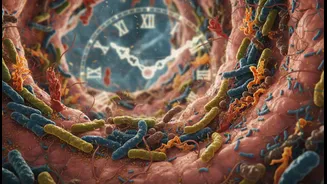
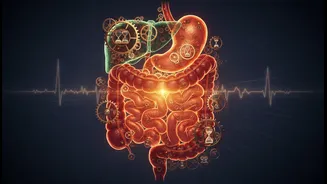
Every cell in your body, from your brain to your gut, operates on a 24-hour cycle known as the circadian rhythm. This internal clock, primarily regulated by light and darkness, tells your body when to sleep, wake, and release hormones. It also governs
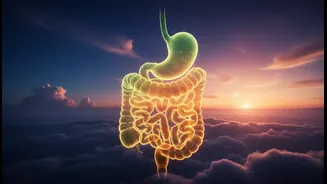
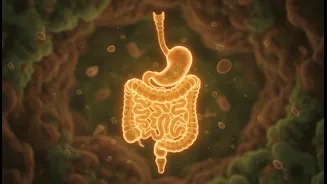
your digestive system, which is not designed to be working at full capacity around the clock. In the morning and early afternoon, your digestive processes—like stomach acid production and gut motility—are at their peak. This is your body’s prime time for efficiently breaking down food and absorbing nutrients.
The Gut Microbiome on a Schedule
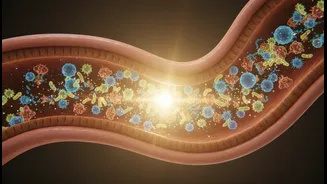
Your gut is home to trillions of microorganisms, collectively known as the gut microbiome, which play a vital role in digestion, immunity, and even mood. These microbes also have their own daily rhythms. This microbial clock is heavily influenced by your eating patterns. When you eat at consistent times during daylight hours, you help keep your gut microbes in sync with your body's master clock. This synchrony is crucial for maintaining a healthy, diverse microbiome—a key component of what experts call gut health stabilization. Misaligned eating patterns can disrupt these microbial rhythms, potentially leading to an imbalanced gut, or dysbiosis.
The Midday Advantage for Digestion
Aligning your largest meal with the period when your digestion is most efficient—midday—makes scientific sense. During these active hours, your body is more insulin-sensitive, meaning your cells can more effectively use glucose from your meal for energy. Studies show that front-loading your calories to earlier in the day can improve metabolic health, support weight management, and enhance digestive efficiency. By consuming the bulk of your calories when your body is best equipped to handle them, you provide fuel for your active hours and place less strain on your digestive system as it prepares to wind down for the night.
The Problem with Late-Night Feasting
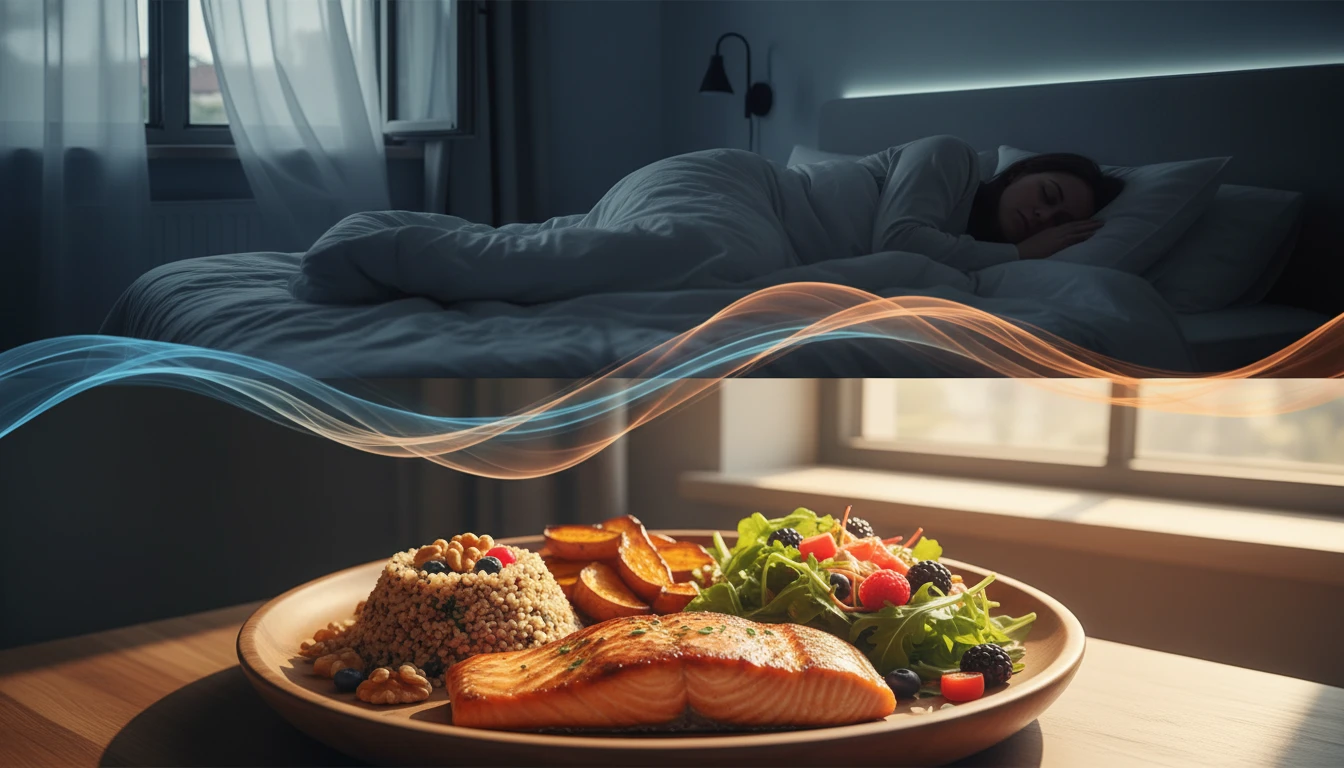
The common habit of eating a light lunch and a heavy dinner is at odds with our natural circadian rhythms. As evening approaches, your digestive system naturally slows down. Eating a large meal late at night forces your body to digest when it should be shifting into rest and repair mode. Research has linked late-night eating to a range of issues, including poor sleep, acid reflux, bloating, and impaired glucose tolerance. A recent study even found that when combined with stress, eating a significant portion of daily calories late at night can deliver a "double hit" to gut health, increasing the risk for digestive problems and reducing gut bacteria diversity.
How to Make the Shift
Shifting your largest meal from evening to midday doesn't have to be an overnight overhaul. Start gradually by slightly increasing the size of your lunch while making your dinner a bit lighter. Aim to eat your main meal between 12 p.m. and 2 p.m., when your digestive fire is strongest. For your evening meal, focus on easily digestible foods like cooked vegetables, soups, and lean proteins. Try to finish eating at least two to three hours before bedtime to give your digestive system adequate time to process the meal before you lie down. Consistency is more important than perfection, so find a rhythm that works for your lifestyle.