






Why Monsoon Messes with Digestion
Have you ever noticed feeling bloated, heavy, or simply having a weaker appetite during the rainy season? You're not alone. According to Ayurvedic principles and modern observations, the high humidity and dampness of the monsoon can weaken our digestive
fire, or 'Agni'. This sluggish digestion makes it harder for the body to process food efficiently. Furthermore, the moist environment is a perfect breeding ground for bacteria and viruses, increasing the risk of water and food-borne infections. This combination of a slower gut and a higher threat of illness is why supporting your digestive system becomes especially crucial during this time of year.
Probiotics: Your Gut's Rainy-Day Armour
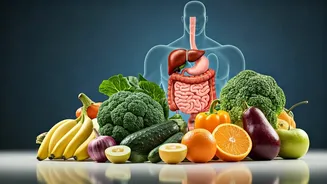
This is where probiotics come in. Probiotics are live, beneficial bacteria that are great for your gut health. Think of them as a friendly army that reinforces your gut's natural defences. Consuming probiotic-rich foods helps maintain a healthy balance of microorganisms in your digestive tract. This supports better digestion, enhances nutrient absorption, and, most importantly, strengthens your immune system to help fight off those common monsoon infections. The best part? You don’t need fancy supplements; many staples of the Indian diet are packed with these beneficial microbes.
The Classic Choice: Dahi and Chaas
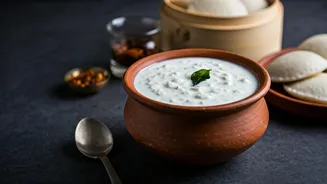
Dahi, or homemade curd, is perhaps the most well-known Indian probiotic. It's a fantastic source of beneficial bacteria like Lactobacillus. However, Ayurveda suggests a 'smart' way to consume it during the monsoon. Since curd has a cooling nature, it's best to have it during lunchtime when your digestion is strongest, and avoid it at night. To counter its cooling effect, have it at room temperature and add a pinch of warming spices like roasted jeera (cumin) powder or black pepper. An even better option for the monsoon is Chaas (buttermilk), which is lighter and easier to digest while still offering probiotic benefits.
The Fermented Favourites: Idli and Dosa
Those soft, fluffy idlis and crisp dosas are more than just a delicious breakfast. Their power lies in the fermentation of the rice and lentil batter. This overnight process not only creates a light, airy texture but also enriches the batter with probiotics. Fermentation breaks down the carbohydrates and proteins, making these foods incredibly easy to digest and reducing the chances of bloating. It also increases the bioavailability of nutrients like B vitamins and minerals, meaning your body can absorb more of the goodness from the grains.
The Tangy Tonic: Kanji
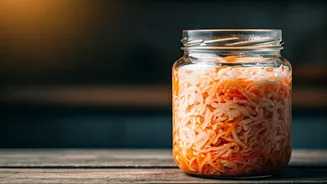
Kanji is a traditional fermented drink from North India that deserves more recognition. Typically made from black carrots or beetroot, water, salt, and mustard seeds, this tangy beverage is a probiotic powerhouse. It’s excellent for hydrating the body, improving digestion, and detoxifying the system. The fermentation process populates the drink with gut-friendly bacteria that can help restore balance to your digestive system. A small glass of Kanji can be a refreshing and health-boosting addition to your monsoon diet.
The Preserved Powerhouse: Achaar
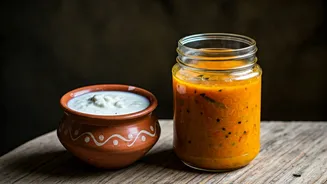
A small spoonful of achaar can liven up any meal, but it can also be a source of probiotics. The key is to choose traditionally made pickles that are fermented in salt and spices, not the quick-pickled versions made with vinegar. This natural fermentation process allows beneficial bacteria to thrive. Indian pickles are also made with spices like mustard seeds, fenugreek, and turmeric, which have their own digestive and anti-inflammatory benefits. Remember, moderation is key due to the high salt content. A small portion with your meal is enough to reap the benefits.